«I No Longer Try to Please Everyone»: The Story of Yekaterina Zaretskaya
For the political prisoners deported on December 13, 2025, it has been only (or already?) eight months of freedom. We spoke with Yekaterina Zaretskaya, one of the former female political prisoners, about her adaptation to life in exile. Which prison habits still linger? How did her time behind bars change her attitude toward people? Read about it in this interview.
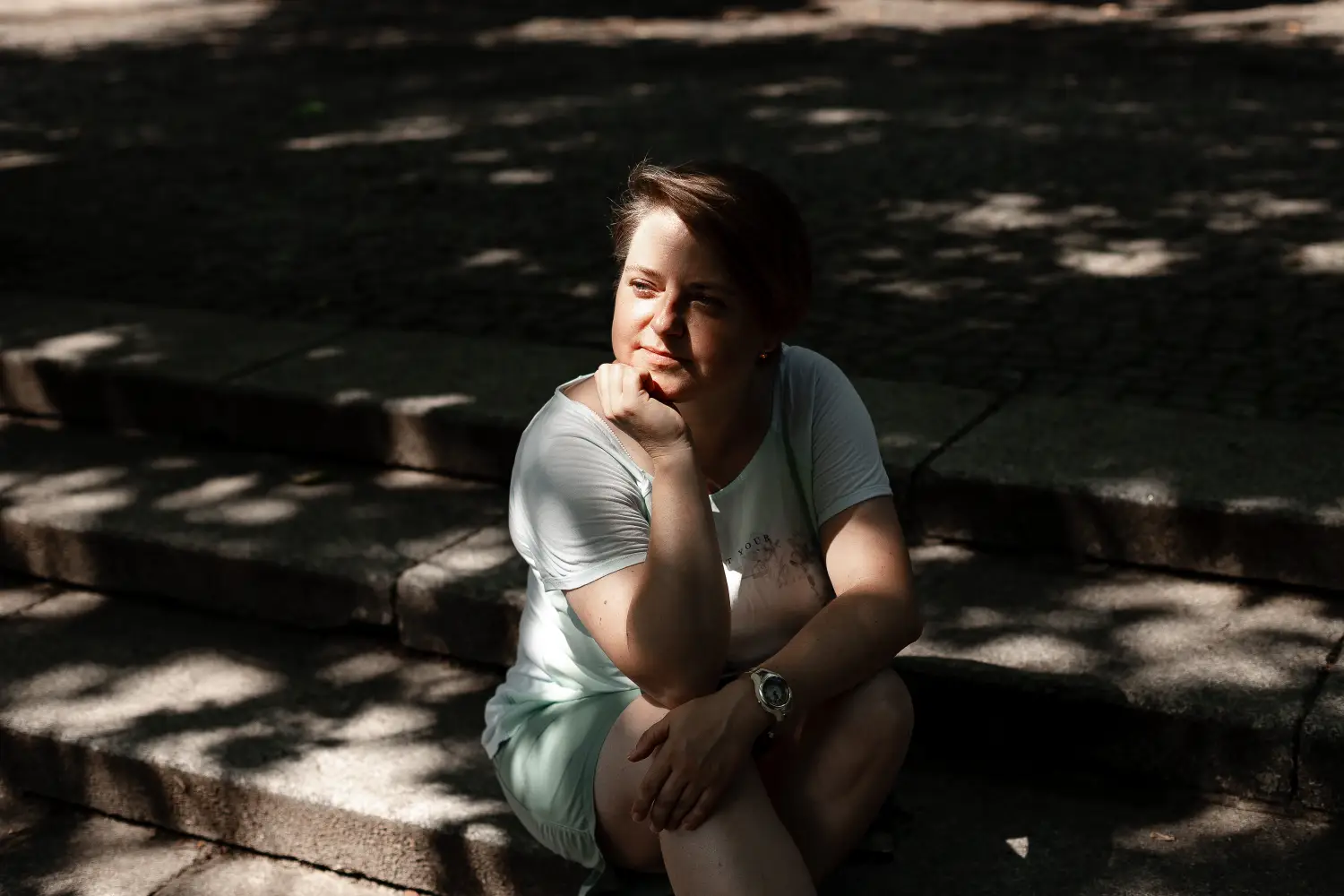
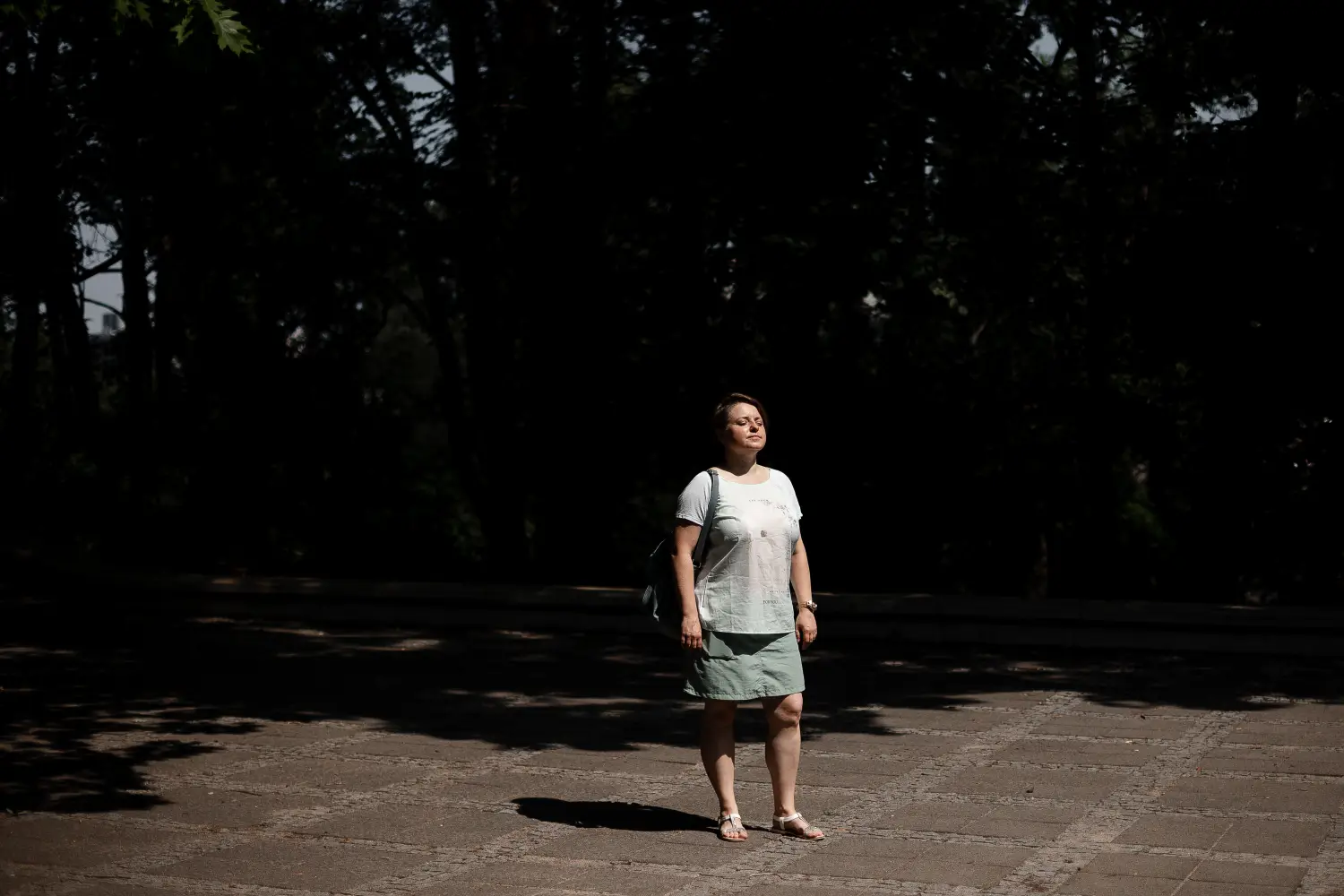
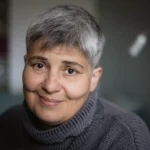
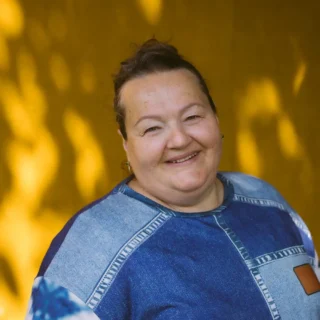
Yekaterina Zaretskaya. Photo: Politzek.me
In September 2022, Minsk resident Yekaterina Zaretskaya, her husband, and several acquaintances were detained after the national white-red-white flag and the flag of Ukraine were hung on the facade of a high-rise building. Initially charged with «aggravated hooliganism,» they were later accused of «creating and participating in an extremist formation and facilitating extremist activity.» Katya was sentenced to five years in a penal colony. On December 13, 2025, she was deported to Poland alongside a group of political prisoners.
A Different Person Before the Arrest
Yekaterina talks about her prison experience calmly. She says those 1,197 days behind bars became a period of intense self-reflection—where she finally understood what she truly wanted out of life.
«It feels as though a part of me died inside all those institutions. But at the same time, a new part of me was born.»
Something inside us remains eternal. As one door closes, another opens. Before my arrest, I was a completely different person.
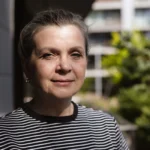
Yekaterina Zaretskaya. Photo: Politzek.me
Yekaterina admits that prison completely changed her character. Before her arrest, she trusted people unconditionally. Now, things are different.
— I used to trust a person right off the bat, and only then see how they acted. Now it’s the exact opposite. First, I observe. I want them to prove that they deserve my trust.
«I no longer try to please everyone, and I don’t promise what I don’t feel. If I don’t love someone, I say so. If I can’t give people what they expect from me, I don’t lead them on. It’s up to them to decide whether that works for them or not.»
Katya retained her ability to care for others, but her approach to caring has transformed.
– Now, if someone starts taking advantage of my kindness, I might forgive them once, maybe twice. After that, that’s it. I draw the line. That’s something I learned in prison.
Freedom is Being Able to Touch a Tree
The hardest thing to get used to after her release was the ability to take in nature for as long as she wants. Katya says her love for nature goes back to her childhood spent in the countryside.
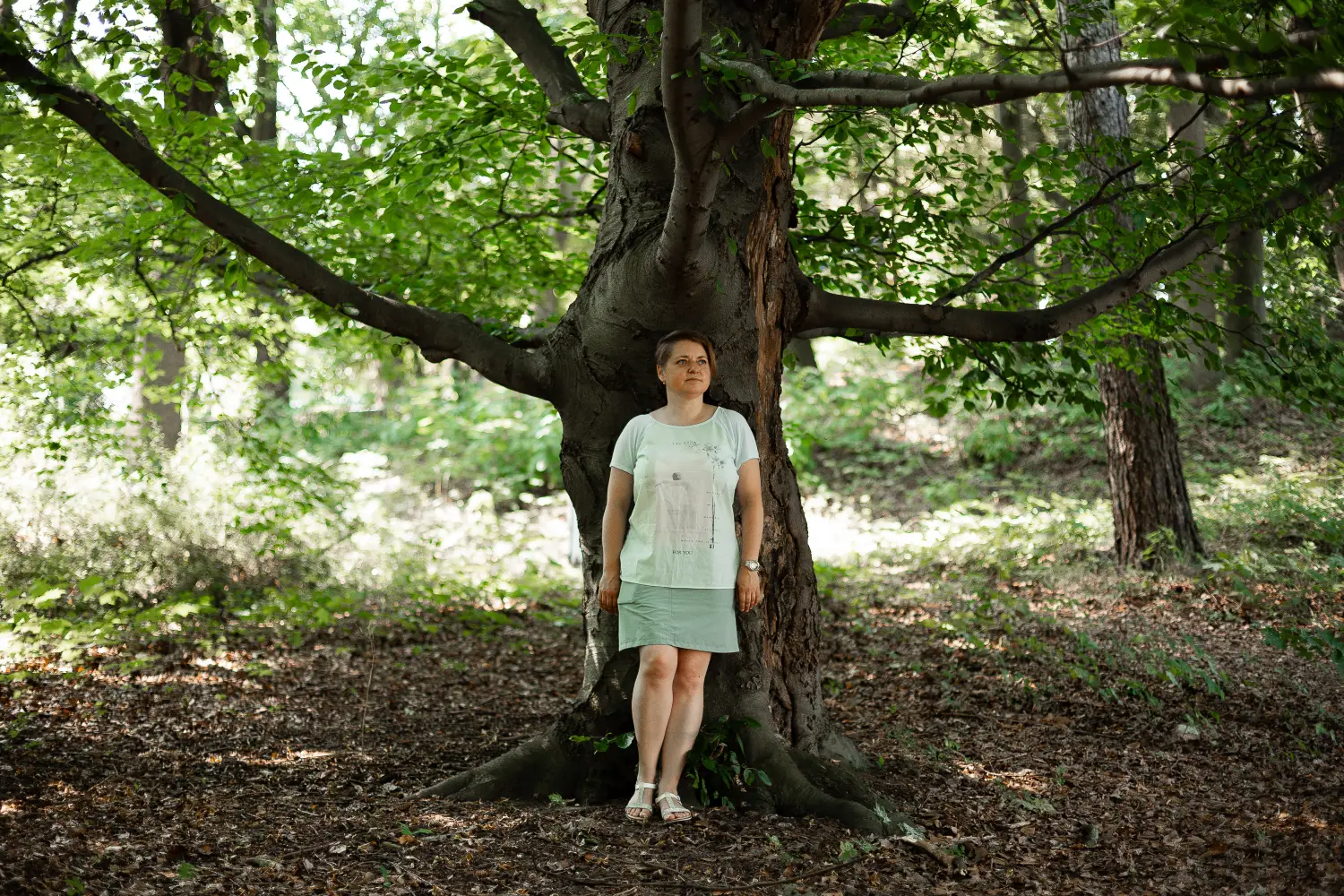
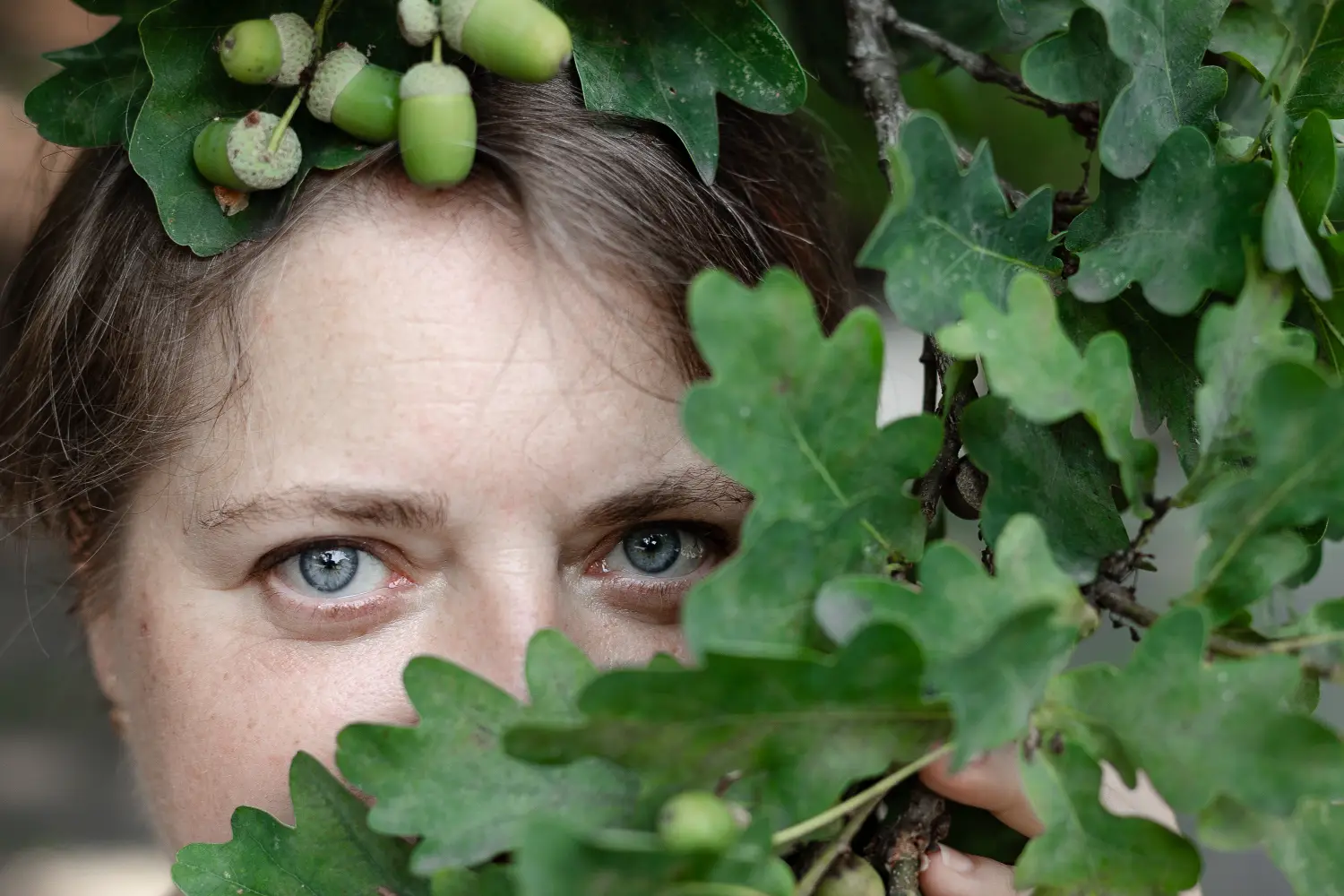
Now Katya can touch the trees — something she missed deeply in the penal colony. Photo: Politzek.me
«I still can’t get used to being able to step outside at any time of day or night. To being able to touch trees, flowers, bushes—without anyone punishing you for it.»
– On my way home, I always make a point of touching the plants. I’m constantly taking in every scent, looking at everything, touching everything. Spring was pure bliss. Everything was in bloom, filled with fragrance… And that feeling still hasn’t faded. I just can’t get enough of it.
But her most vivid memory from her months of freedom was touching a kitten.
«I petted a kitten for the first time after prison. Those emotions lasted for weeks!»
In Homiel (at Women’s Penal Colony No. 4 – Ed.), you find yourself in such a sensory-deprived environment that any encounter with nature becomes a major event. Even grass was a rarity there! Our designated yard area was nothing but asphalt. Being sent to sweep the grounds was the only chance to see grass—or to catch a cockchafer. Once, I actually managed to do just that.
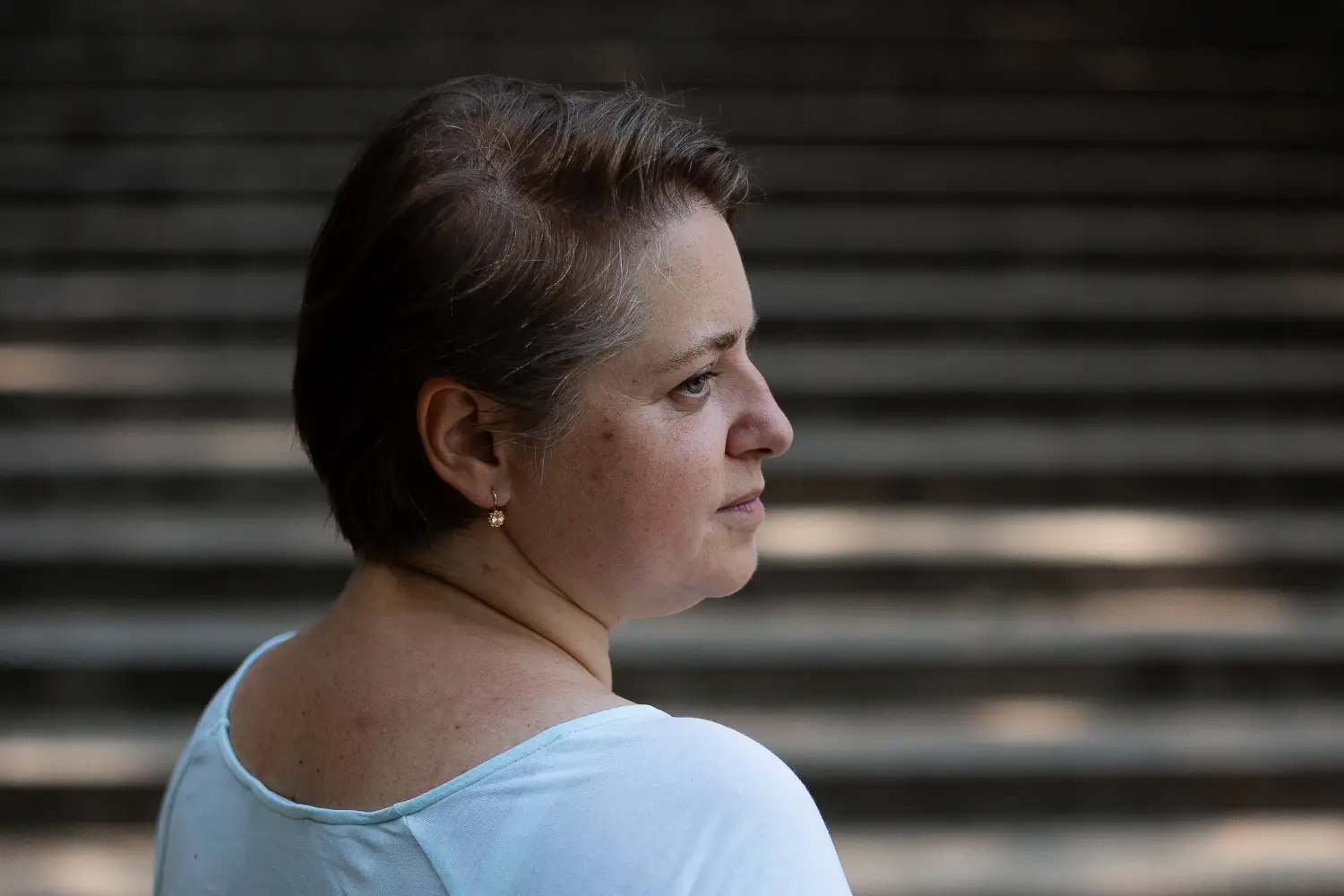
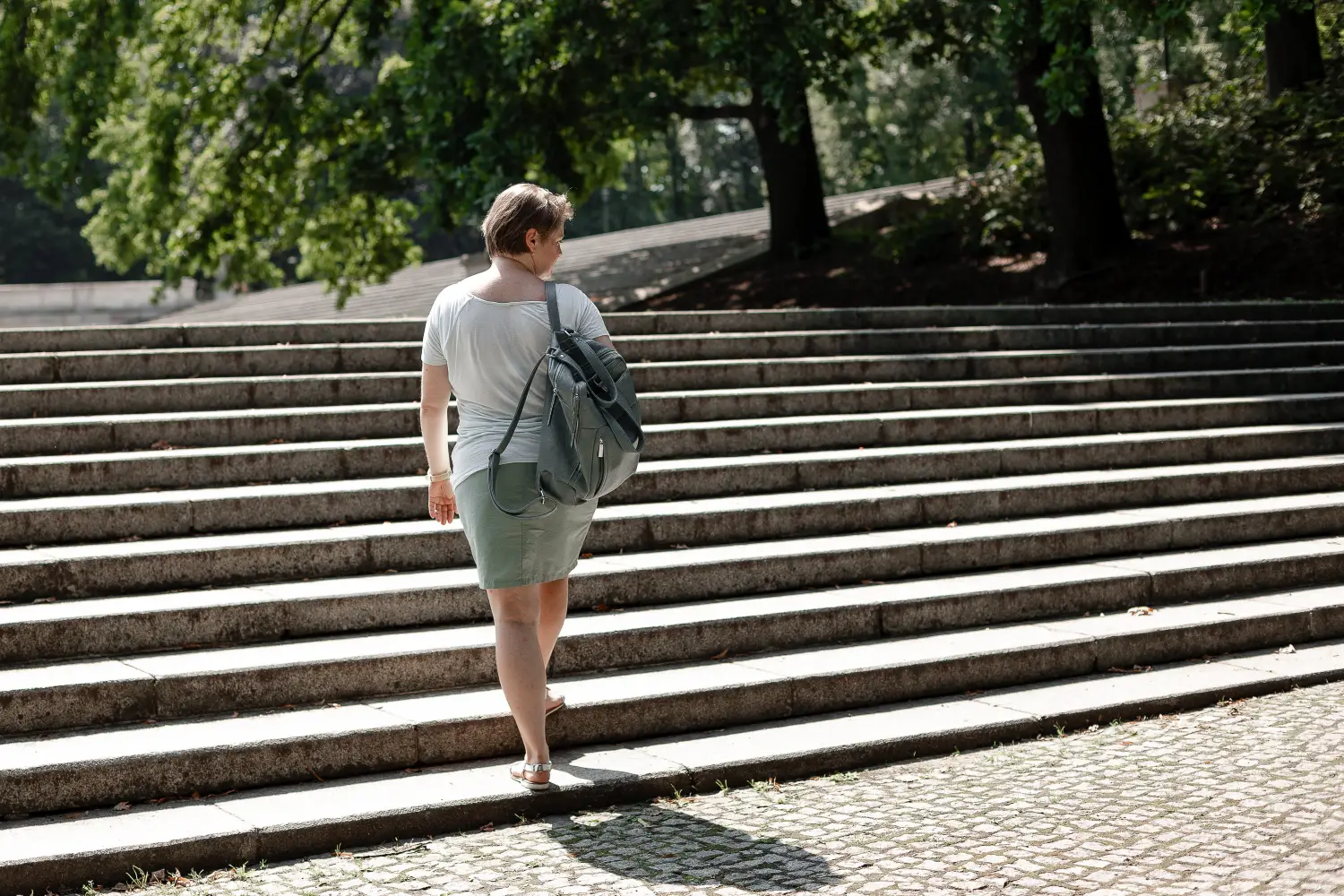
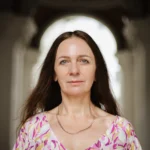
Yekaterina Zaretskaya. Photo: Politzek.me
«Nature is the one thing that never betrays us. Every spring, leaves unfurl and flowers bloom. And you realize another spring has passed—meaning you’re that much closer to freedom.»
Nature is what remains long after we’re gone.
Health Issues After the Colony
Katya was doing side jobs like pet-sitting and cleaning. Recently, however, doctors have advised her against heavy physical labor. A medical exam revealed that years of hard labor in the penal colony had taken a severe toll: she has herniated discs and a protrusion. This has narrowed her job prospects while her upcoming expenses continue to mount.
Unfortunately, the medical assistance program for former political prisoners cannot cover the full cost of her treatment. Katya needs an expensive course of rehabilitation. If that doesn’t help, surgery is her only option.
Katya has back problems. You can donate to support her rehabilitation. Photo: Politzek.me
Every Morning Felt Like Groundhog Day
Katya had no special coping rituals to survive prison, and dreaming didn’t help either.
«I left my past behind at the colony fence. My future, too.»
Many of the women in the colony would look out the window and picture the sea, visualizing their dreams, but I didn’t do that. It’s useless to think about things you can’t possibly know. The only reality was today. Every morning felt like new Groundhog Day.
Katya only started counting down the months until her release when she had two years left. For her, waiting for freedom became anxiety-ridden.
«Every month felt like a victory. I couldn’t wait for the twenty-third to roll around—it meant another month was behind me. I was supposed to be released on March 23, 2027.»
Even now, she finds herself calculating how much time she would still have left to serve if she hadn’t been freed.
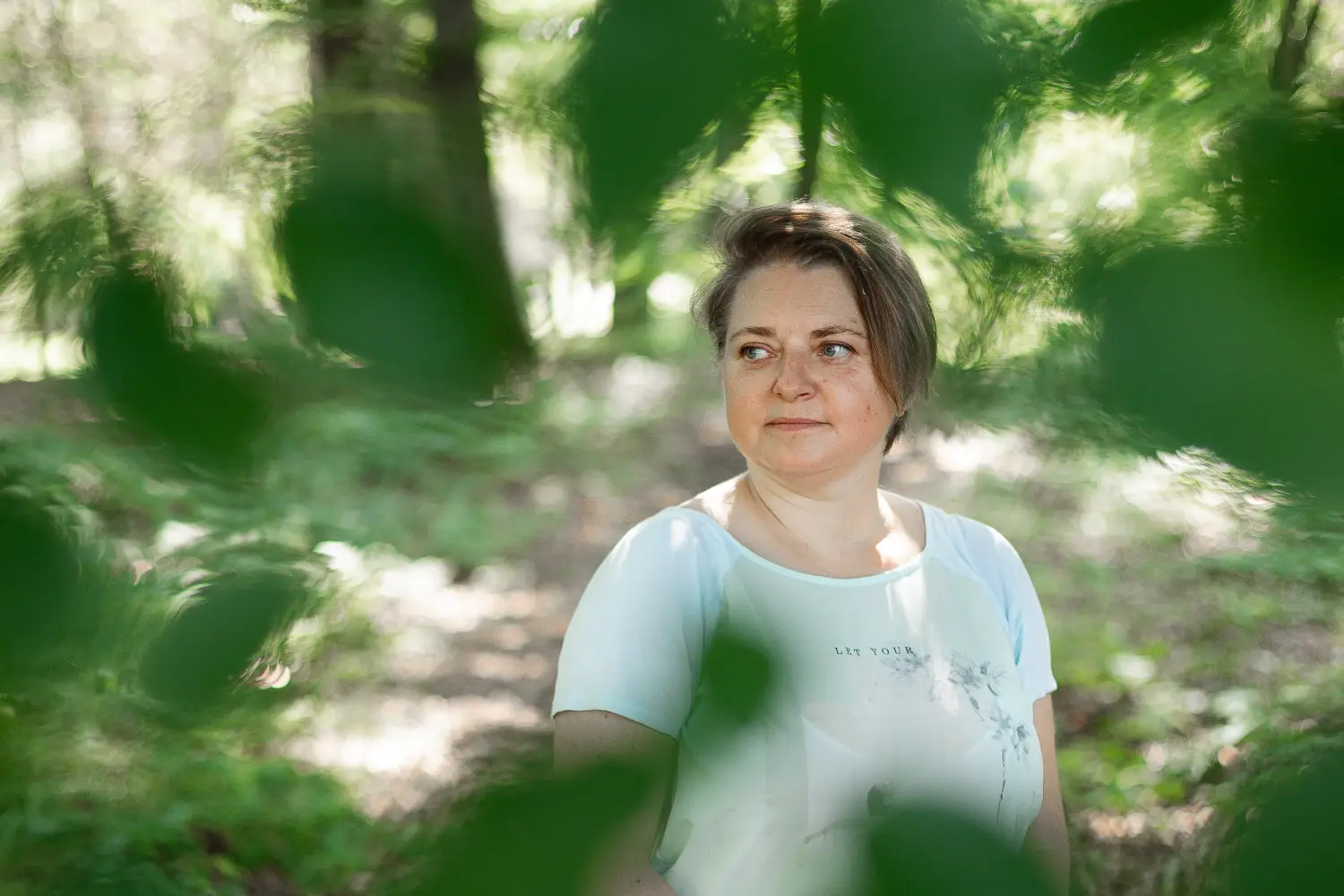
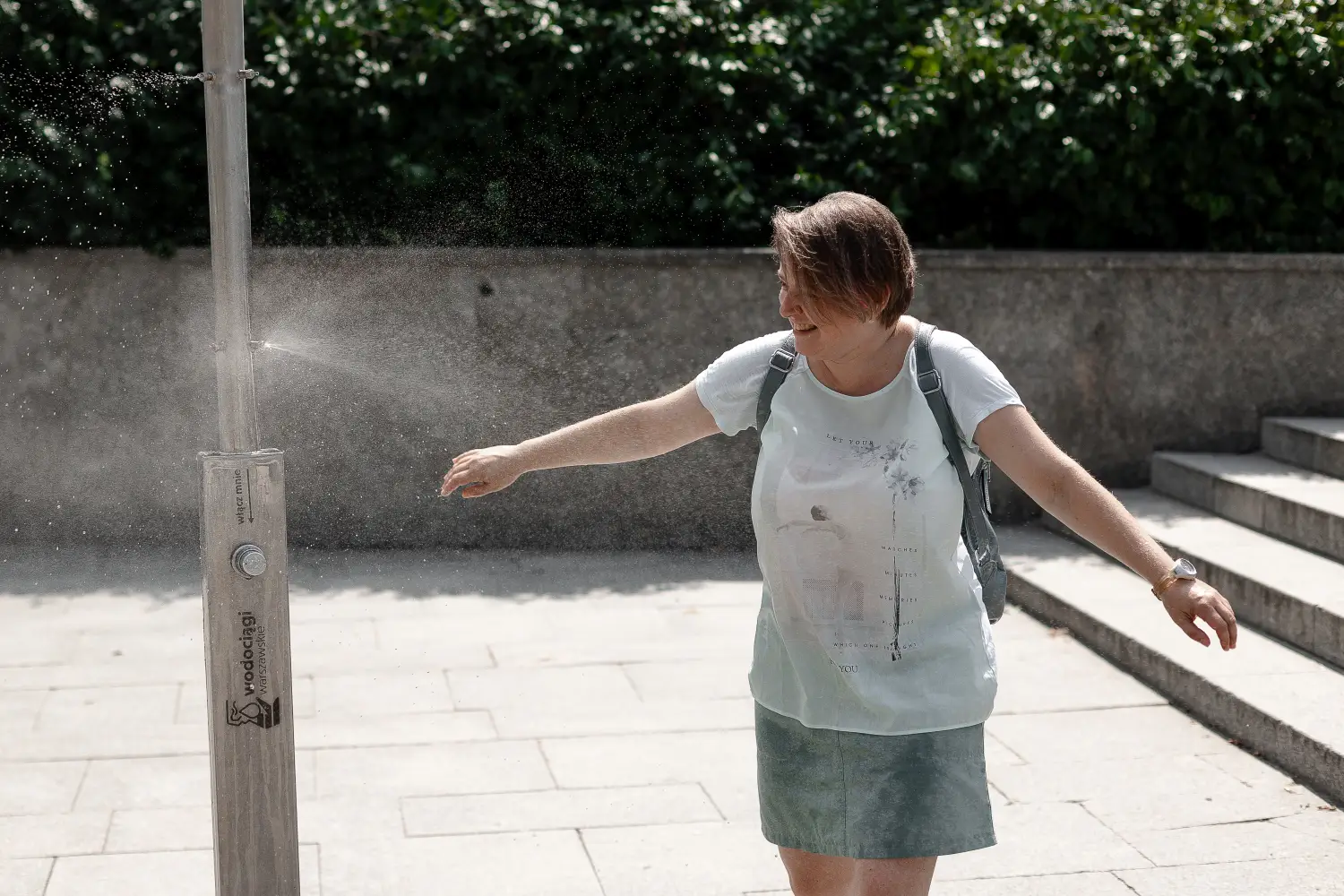
Yekaterina Zaretskaya. Photo: Politzek.me
You Can Shower for as Long as You Want
Many of the habits formed in the colony haven’t disappeared since her release—like taking a shower. Katya says that in the colony, showering was always a source of stress, never pleasure. She still can’t get used to the fact that she can shower whenever and for as long as she wants.
– Time for the «bathhouse» was strictly limited, – she says. – You had to manage to undress, wash, and get dressed. All around was constant shouting, rushing, and the fear of punishment. Guards could walk into the shower at any moment.
«I developed a stress response to any water-related routine. Even now, I automatically spend no more than fifteen minutes in the shower.»
Before prison, she used to love taking long baths and hated showers. Now, the thought of a bath triggers a deep internal resistance.
– At a health resort, I was prescribed a therapeutic bath, – she says. – I couldn’t bring myself to get into the water. After the treatment, I went back to my room and just passed out for three hours. It was like I completely shut down.
* In pretrial detention and the penal colony, taking a 15-minute shower once a week is mockingly called a «bathhouse.» Former political prisoners point out that this infrequent schedule, combined with a total lack of accessible hot water, serves as a deliberate tool to humiliate inmates.
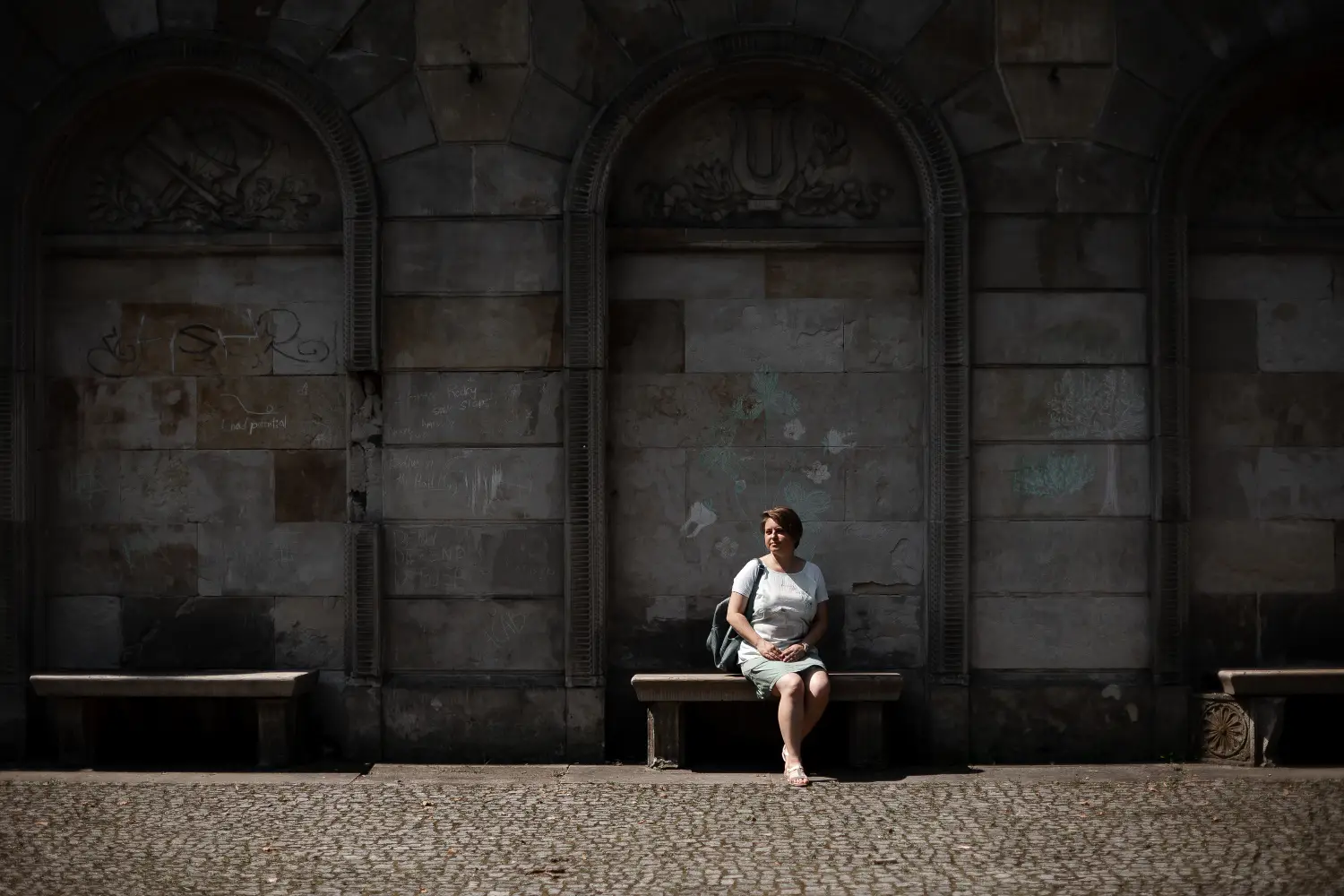
Yekaterina Zaretskaya. Photo: Politzek.me
Relearning How to Eat
Eating too fast is another habit from prison that stays with the former political prisoner.
«In the colony, you had to rush through your meals. Even now, I catch myself practically swallowing my food whole whenever I get nervous.»
After I was released, I suddenly realized how vivid simple flavors could be. The most memorable meal from those days was a free store-bought sushi set from a humanitarian aid package. I don’t even like sushi, but back then I opened the box and drizzled them with soy sauce. It tasted incredible! I hadn’t had anything like that in four years.
She also recalled a sudden, overwhelming craving for lightly salted red fish. She went to the store, bought a piece, and cured it herself.
– Every spring, I get this intense craving to have fish at least once, – she says. – I eat a little piece, and the craving is gone.
Self-Reflection in the Colony
Katya says that her first two years in prison became a time of deep self-reflection.
– Every day, I took myself apart, – she says. – Why did I act the way I did? Where were my own desires, and where were other people’s expectations?
«Gradually, came this painful realization: I had lived so much of my life the way others wanted me to! »
And I tried to figure out—where was I in all of this? It was painful. Sometimes it felt so heavy for weeks on end. But over time, I learned to work through states like that much faster—in just a few hours.
– You know, working on yourself is never really over, – she adds. – You’re always going to run into yourself. Life will keep bringing you back to your unresolved issues anyway. If you don’t learn the lesson, the situation just repeats itself.
Yekaterina Zaretskaya. Photo: Politzek.me
«I Forgive Easily. But I Let People Go Forever»
Another lesson Yekaterina learned in the colony was how to end relationships.
– I forgive people easily, – she says. – But at the same time, I let them go. If you constantly carry a grudge inside, you simply won’t be able to live alongside that person.
«In the colony, no one is going to stand up for you, she continues. You realize you can only rely on yourself. So you have to learn how to communicate, how to forgive, and how to stand your ground.»
Your outlook on life, death, and people changes completely. Every single day in there could be your last. You stand in formation* next to someone today, and tomorrow she’s dead.
* Formation: A mandatory assembly of inmates in Belarusian penal colonies, ordered by the administration for headcounts, roll calls, and maintaining order. Formations take place at least twice daily during morning and evening checks.
Living Alone Is Her Biggest Dream
Katya pauses for a long time, considering the question. Where does she see herself a year from now?
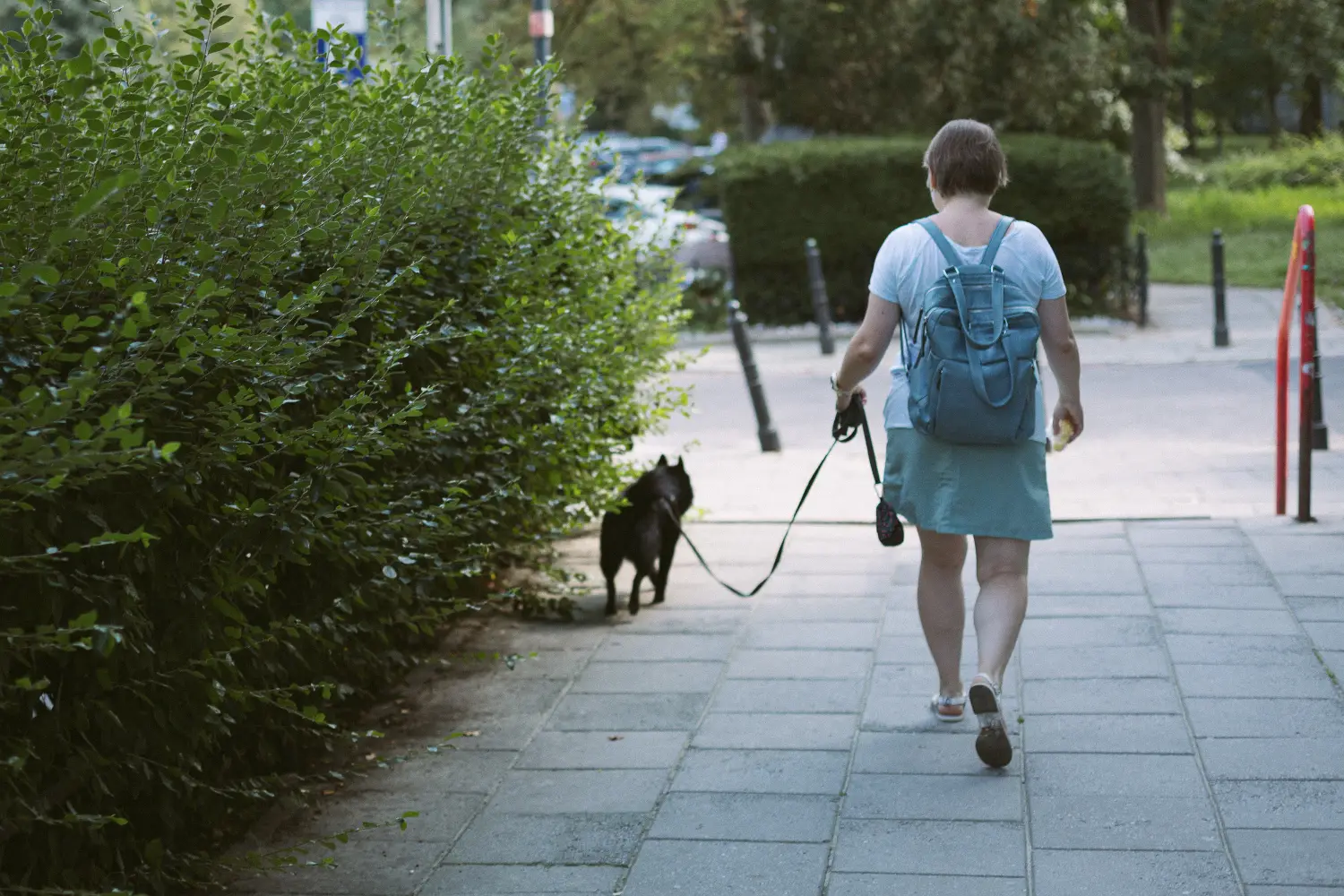
– I want to get on my feet financially. I really dream of having a small place of my own. And living alone. I’m good on my own. If I have a dog by my side, that’s more than enough.
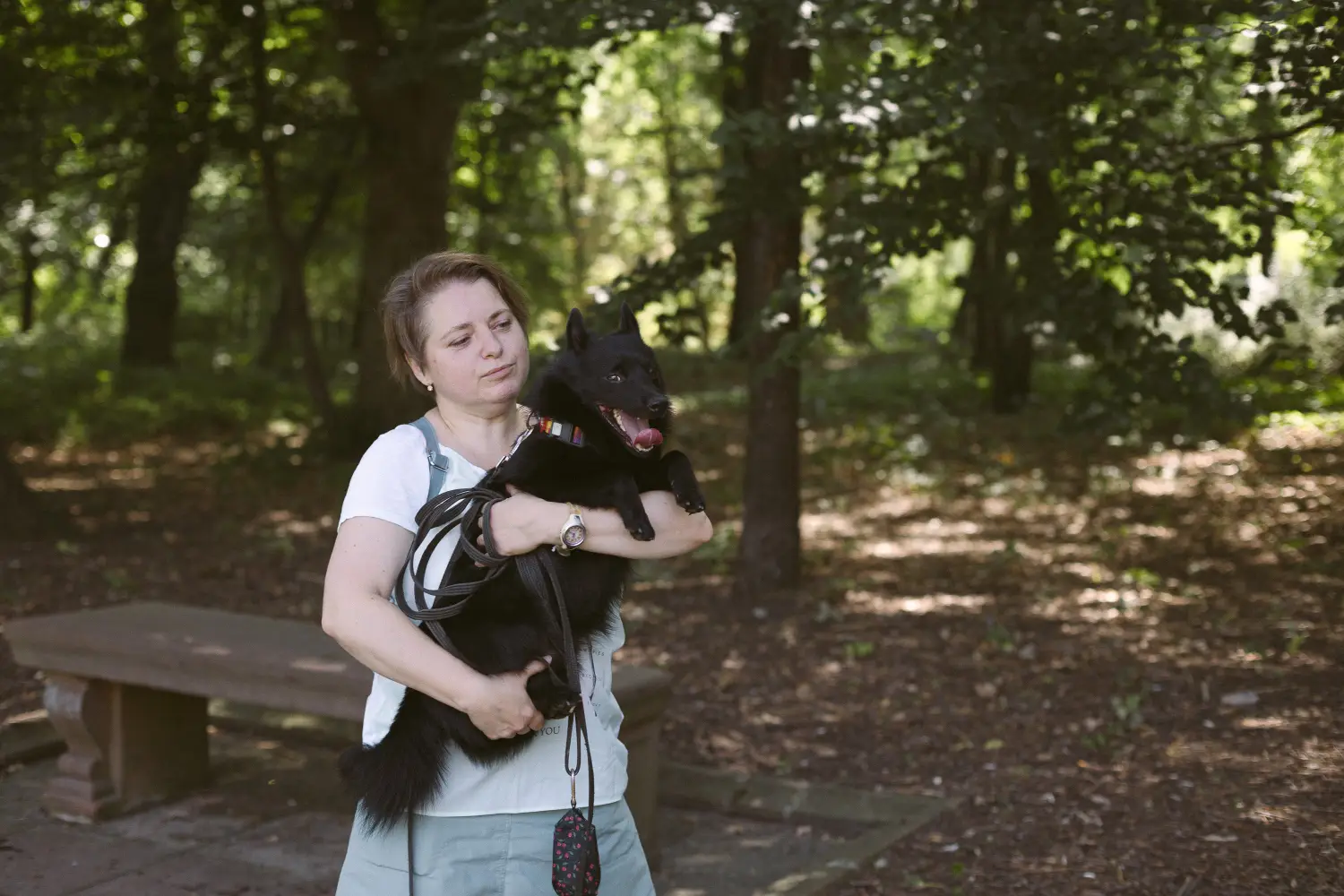
Katya left a very similar dog behind in Belarus. Photo: Politzek.me
«I’m not avoiding people, but I no longer feel the need to constantly be around someone.»
If I want social connection, I’ll reach out to people myself—just as much as I need to.
«Ever since I was a child, people told me what to do, where to go, who to be. Now, probably for the first time in my life, I actually understand what I want.»
Katsiaryna loves dogs. She offered the owners of this little pup help with training and walks. Photo: Politzek.me
«I’m Proud of Myself Every Single Day»
Katya says that she used to be afraid of taking on anything new. But now she knows she can handle it. And she’s learned to take pride in her achievements.
– In the colony, they could assign you every day to do something you’d never done before, – she says. – And you just had to learn. That experience helps me today when I’m applying for jobs, dealing with government offices, or talking to new people.
«I open the door and I just walk through. Sure, not everything works out perfectly. But it does work out!»
Yekaterina Zaretskaya. Photo: Politzek.me
The former political prisoner really needs our help to restore her health. Katya needs to cover the cost of a rehabilitation course and possibly surgery. You can donate to Yekaterina Zaretskaya right now – right here. Any amount will help her cover medical expenses and rent.
This is just one piece of the puzzle of unique stories of Belarusian women and men. We introduce you to former political prisoners—ordinary people who simply dared to be themselves during a challenging time in history. The era of political prisoners.
We permit full or partial republication of our texts and the use of our visuals. An active, direct hyperlink to the original page is mandatory and must be placed at the beginning of the republished text or social media post. Proper credit to the authors of all photo and video materials is strictly required.