«I Feel Like I’m 25—A Fresh Start in Life»: The Story of Maryia Niasterava
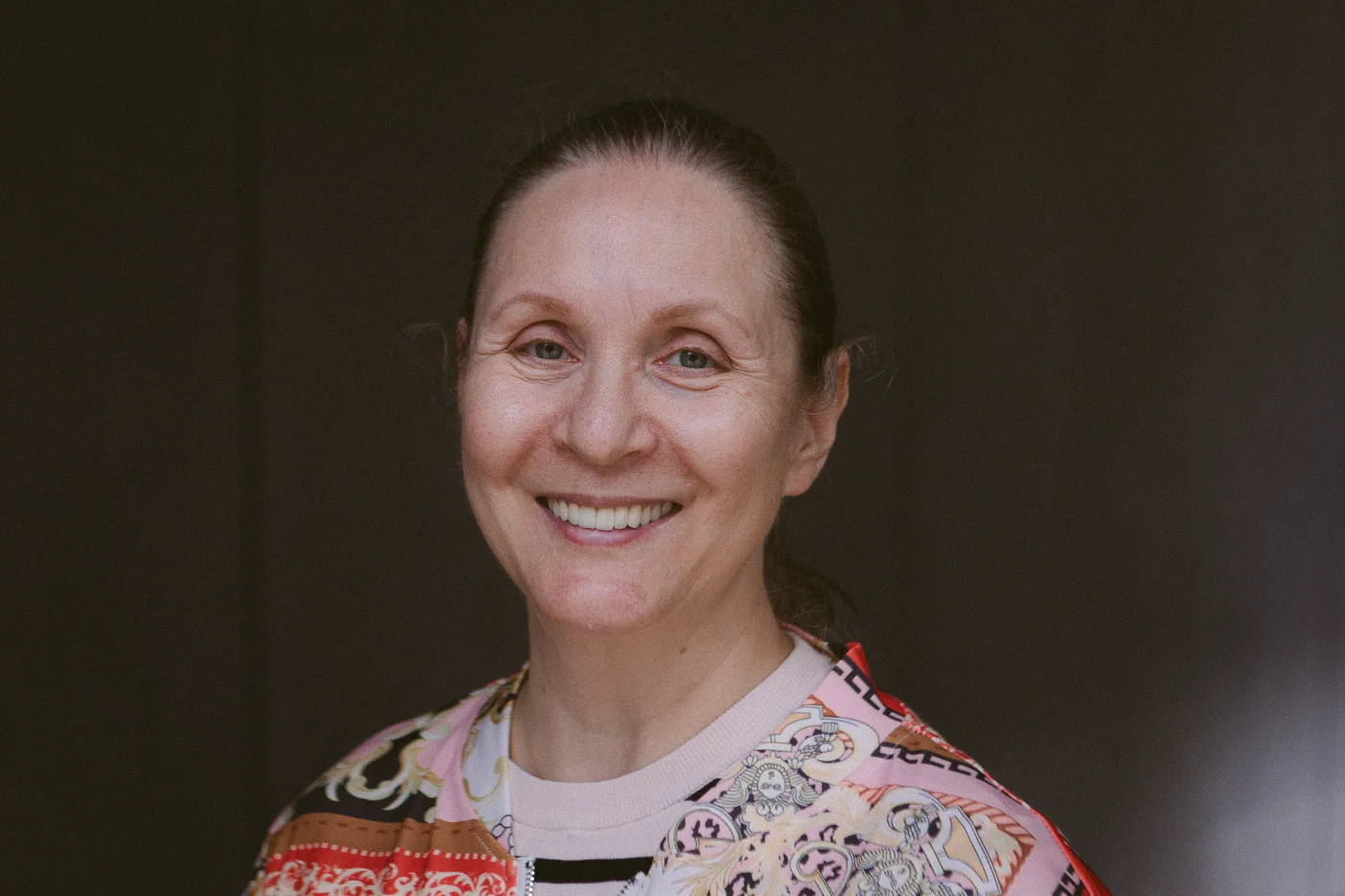
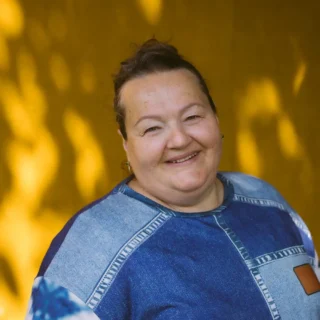
Our protagonist is Maryia Niasterava, a former political prisoner who spent three years in prison for her active civic stance. Today, Maryia lives in Poland, searching for work in her field. She shared her loneliness with us and spoke about how she is putting herself back together in exile.
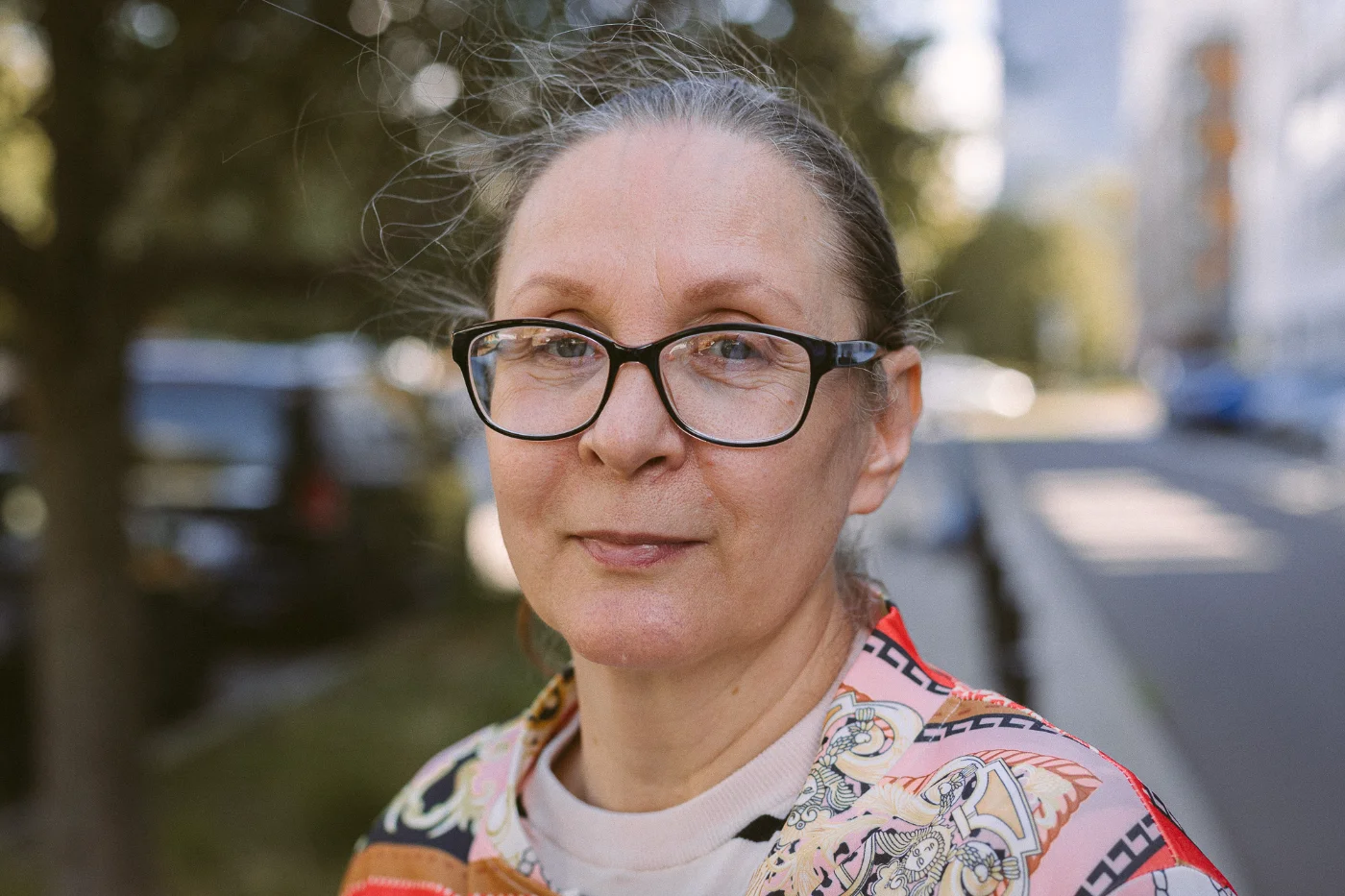
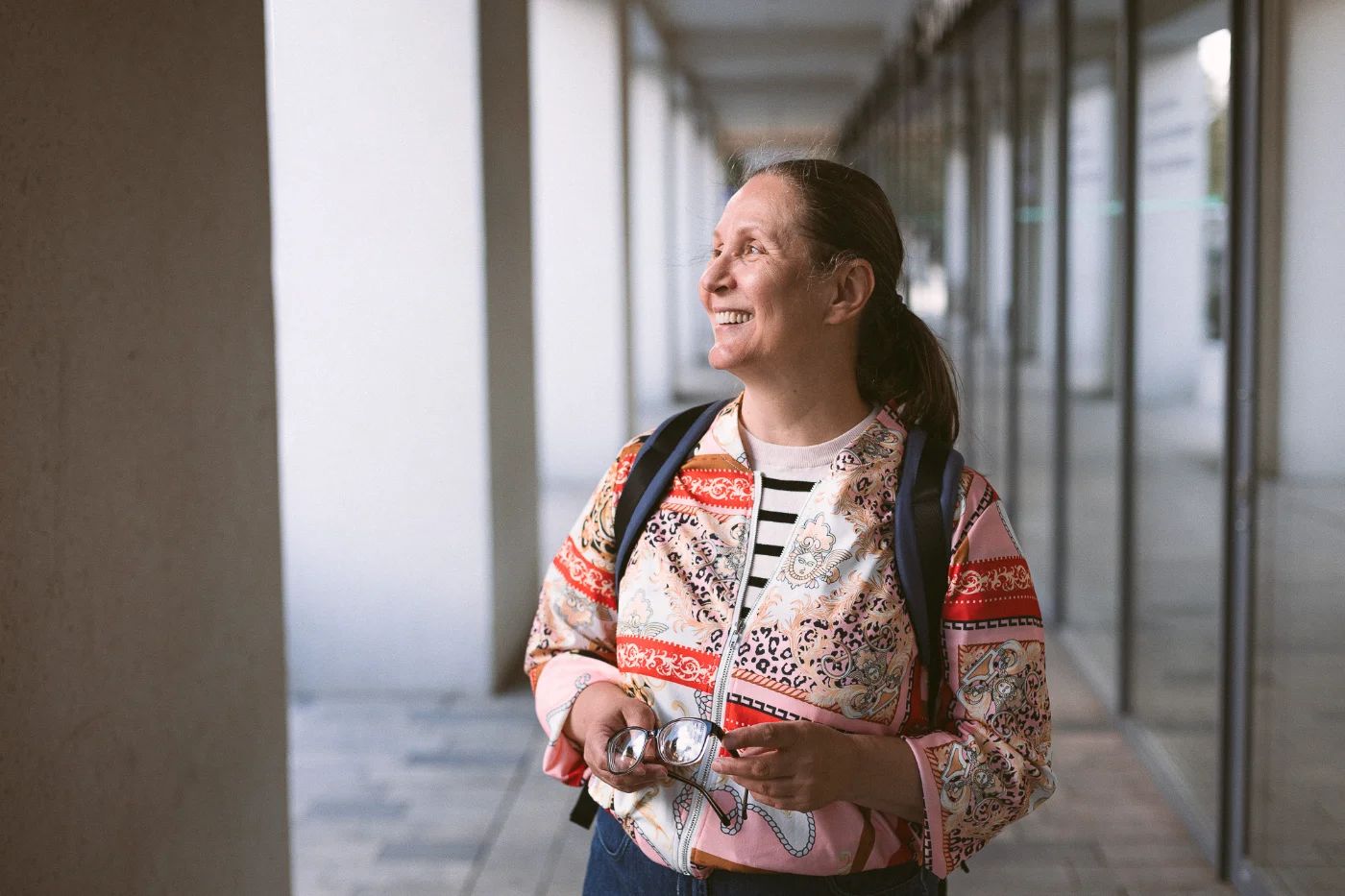
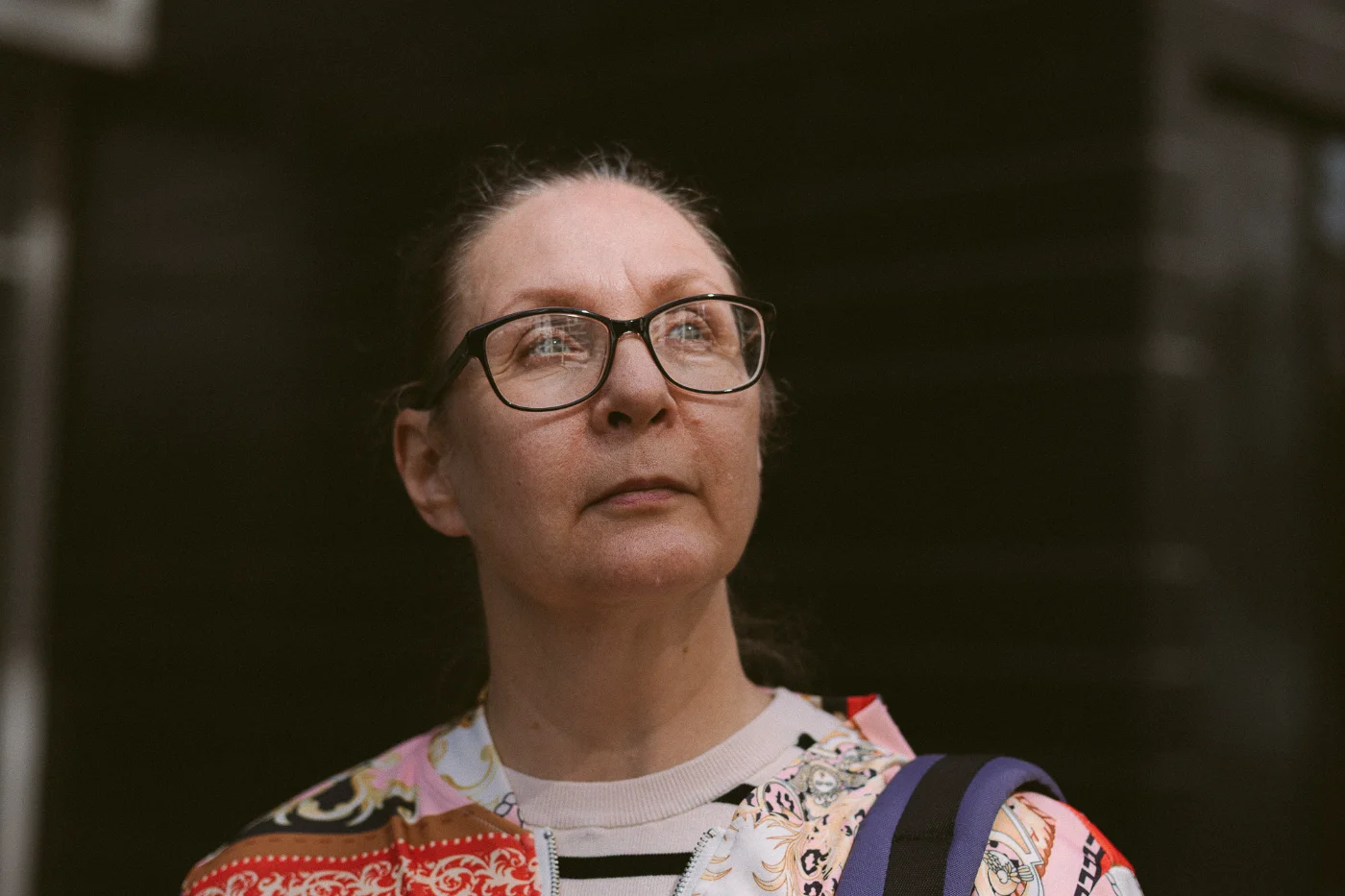
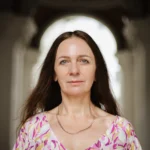
Maryia Niasterava. Photo: Politzek.me
For a long time, Maryia Niasterava worked at Minsk Customs Office, ran her own small business, and was involved in network marketing and copywriting. She had supported the opposition since 2006, and in 2020 she served as an election observer, speaking out against the lawlessness in Belarus. For managing 40 Telegram chats, joining protests, and posting on social media, she was violently detained right outside her house in October 2020. She was tried under Article 342 of the Criminal Code of Belarus—the most common charge, for «active participation in group actions that grossly violate public order.» She was sentenced to three years in a penal colony and designated as an «extremist.»
Maryia served her full sentence and was released in May 2023. Fearing a new criminal case, she left Belarus. This September, Maryia Niasterava will turn 60. She has been living in Warsaw for two years, trying to plan her life anew.
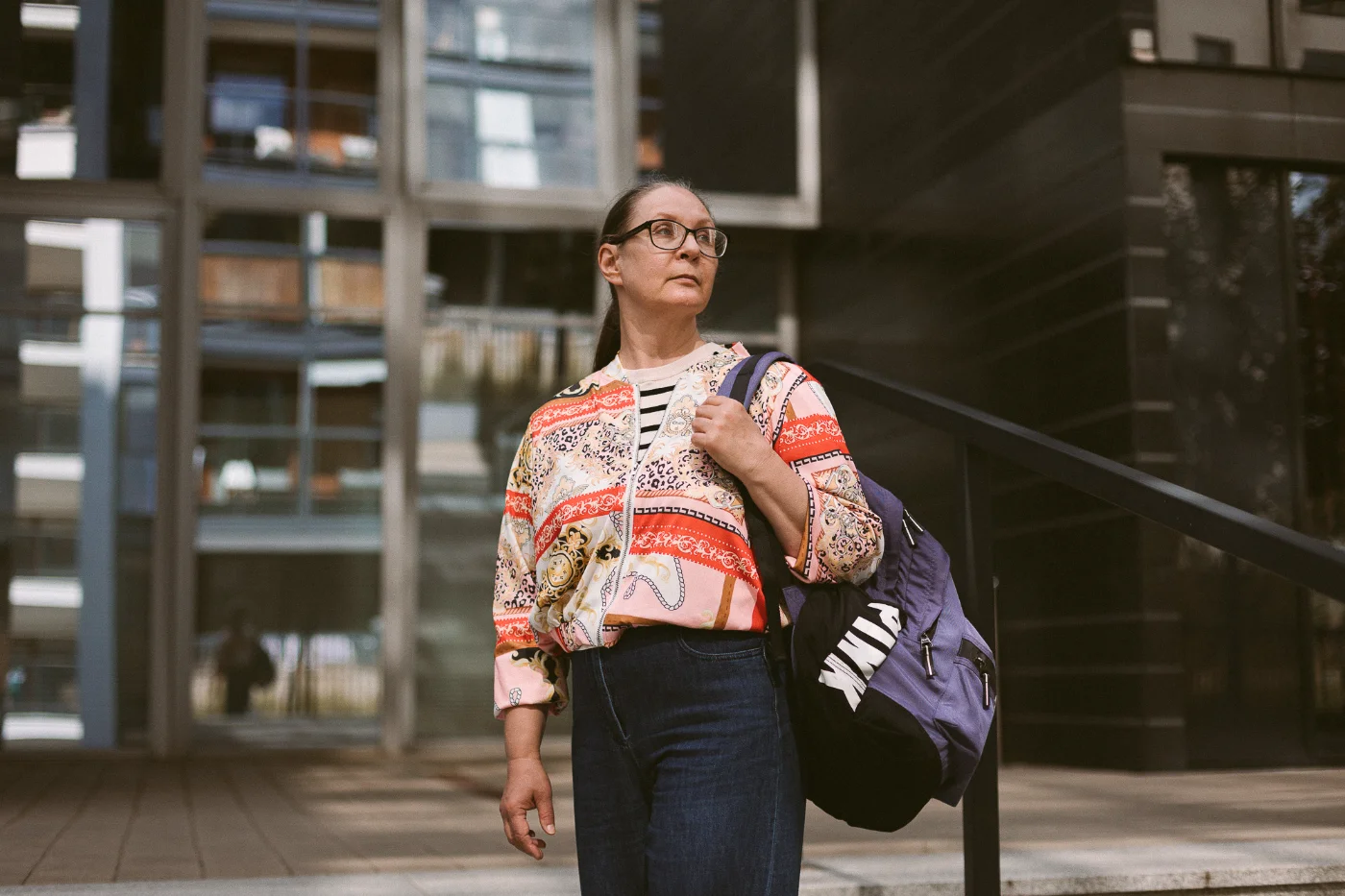
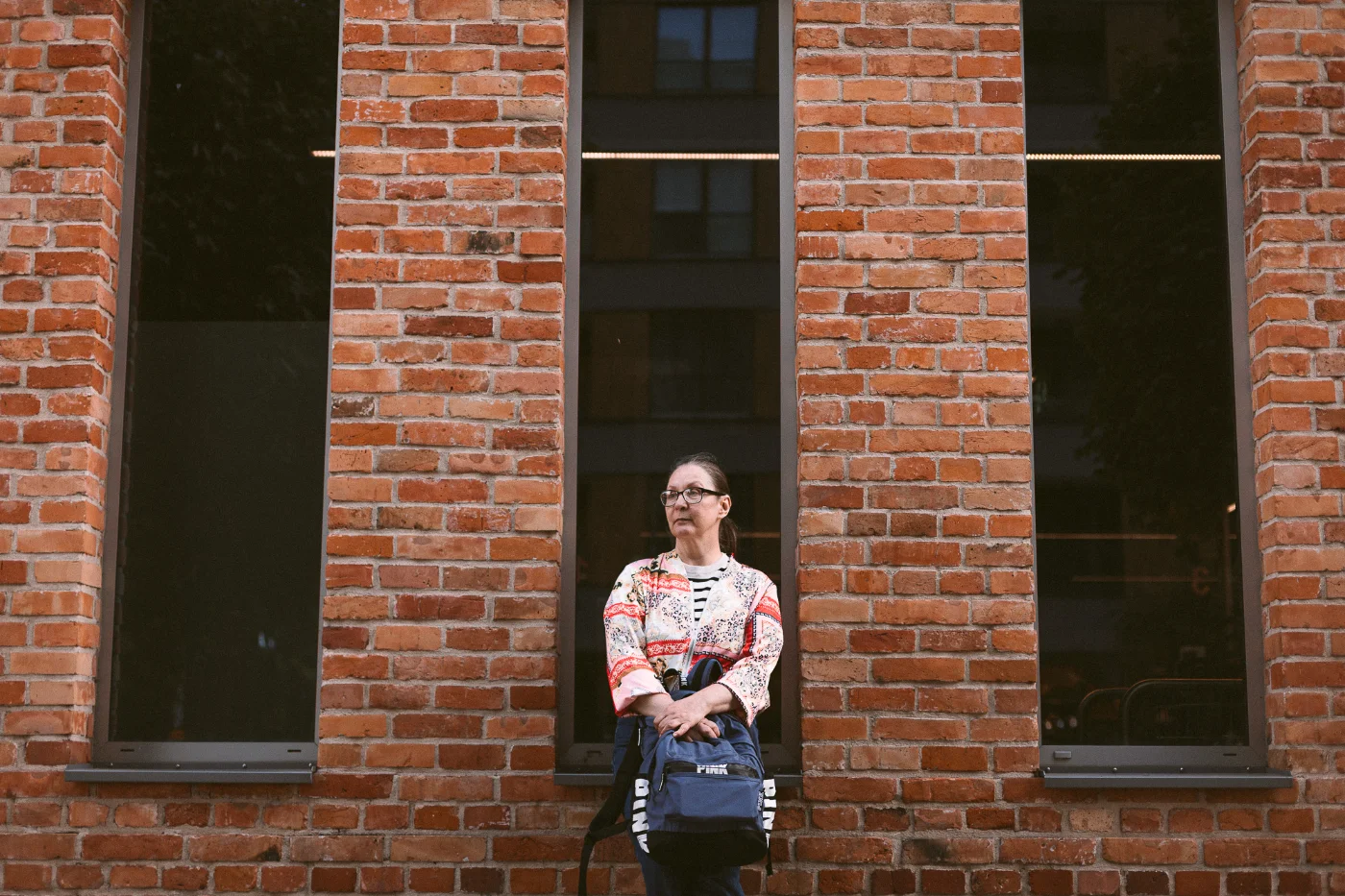
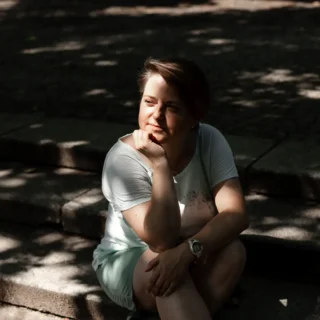
Maryia has been living in Warsaw for two years. Photo: Politzek.me
«Like a Swing: Up One Moment, Down the Next»
Maryia’s emotional state is unstable. She tries not to dwell on painful memories for too long, as reflecting on the past takes energy—and she needs those resources right now, for the present.
– It varies—it’s like a swing: up one moment, down the next. But I try to stay balanced.
«When you let yourself dwell on painful memories, it’s hard to pull yourself together afterward. It takes energy to work every day. You need to keep your strength up and stay mentally healthy.»
Maryia has been out of prison for three years. A letter recently arrived, reminding her that her official supervision back in Belarus had ended.
* In Belarus, former political prisoners do not regain full freedom upon their release from a penal colony. They are placed under systematic control by the penal enforcement inspection. Many are assigned so-called «preventive supervision,» which imposes further restrictions and obligations (curfews, travel bans, surprise checks, prohibitions on attending public events, and more).
Maryia doesn’t look for Belarus in Poland and can’t single out any scents, sounds, or places that remind her of Minsk. She arrived in Warsaw in the spring, two years ago, right in the middle of a vibrant, blooming metropolis. Yet her first impression of her new home was emotionally overwhelming.
Maryia tries not to dwell on unpleasant memories. She needs her strength to build her present and future. Photo: Politzek.me
– I kept thinking about where Belarus and Poland both started after the collapse of the Soviet Union. I remember those times… I know how similar our situations were, and Belarus was actually in a better position. Back then, Poles unanimously assured Belarusians that everything would turn out great for us. But thirty years have passed, and the two countries have ended up in completely different places.
When I arrived in Warsaw and saw it as it is now—thriving and green—I broke down in tears of anger, hurt, and disappointment over how things turned out for us. I’ve always loved Minsk and thought of it as a great city. But when I saw Warsaw, a deep sadness just washed over me.
«Over the last thirty years, Minsk has turned into a cross between a concrete jungle and cardboard, artificial houses. They tore the soul right out of it, hollowed it out. It’s frozen in timelessness.»
What she misses most from her former life is the people.
– It all comes down to people. Loved ones, family, friends. Everything can be destroyed, but losing people—that’s the hardest part.
Exile taught her that financial and material losses are far from the heaviest. Paradoxically, Maryia explains, moving abroad was precisely what revealed just how much clutter had accumulated in her old life.
– I miss my home and the apartment I put so much energy and money into. But here is here, and there is there.
«As long as we consider a place our home, we keep investing in it financially. All those knick-knacks left behind… they’re hard to take with you, and maybe there’s no real need to. In a way, this is my chance to shed what’s unnecessary. Life gave me a reset, allowing me to put myself back together without being weighed down by things I once thought were valuable.»
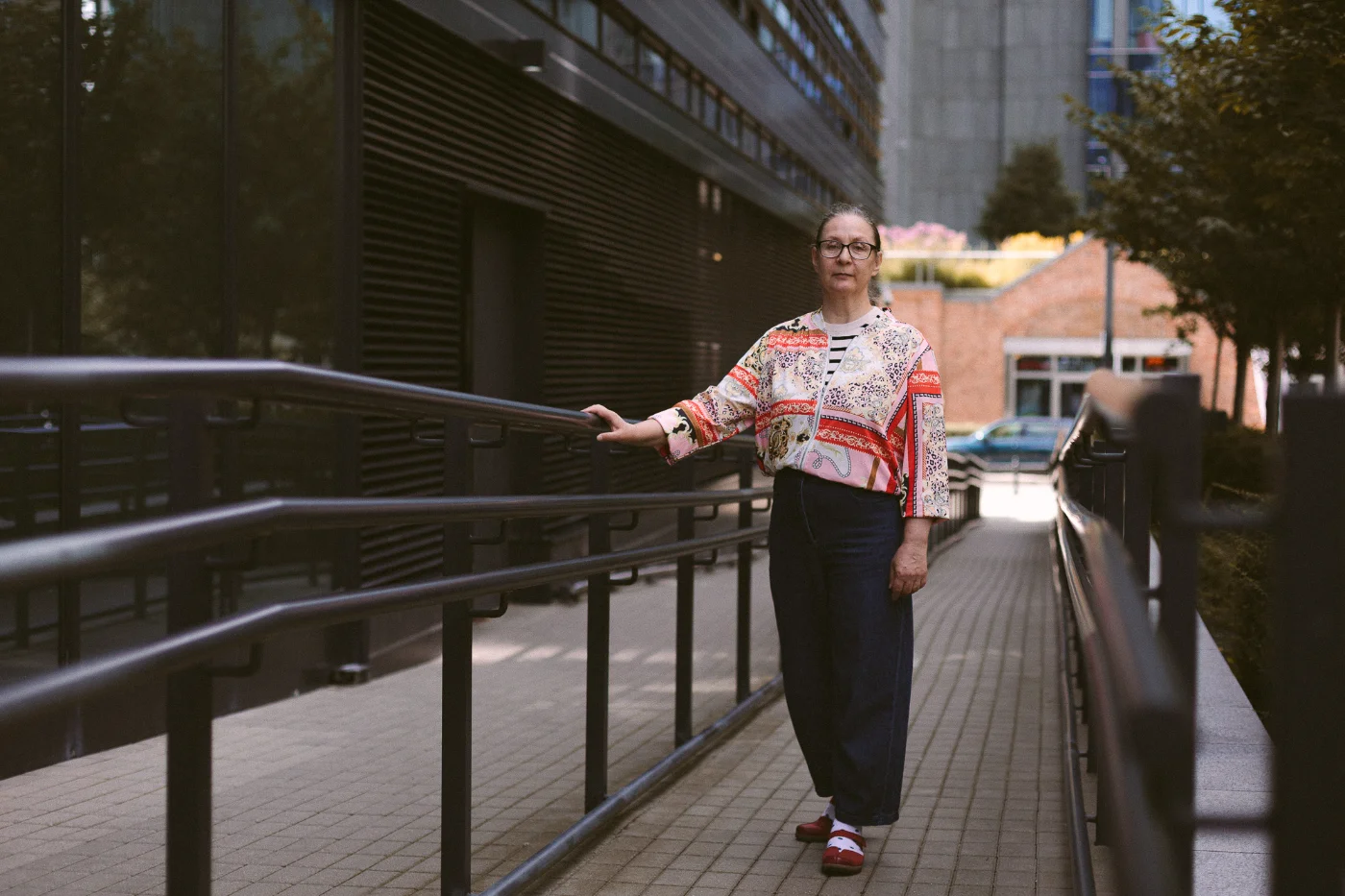
Maryia Niasterava. Photo: Politzek.me
Nearly 60—and Starting All Over Again!
This September, Maryia turns 60. She isn’t entitled to a pension in Poland, as she has no local work record. She built up years of recognized work history in Belarus, but couldn’t transfer it to the Polish system. When Maryia left Belarus, she hoped she could apply for her pension through a power of attorney.
– It turned out you can’t apply for a pension through a power of attorney—you have to do it in person. That was a huge blow. After that, I had to completely rethink my future.
«I realized I need to pace myself so I can keep working until I’m 75 and put a bit aside. As long as I’m working, I can pay rent. But what comes after that? I don’t want to be a burden to my family. Right now, I feel like I’m 25—just starting out, only with a few more years under my belt!»
Rose-Colored Glasses Shatter Inward
Maryia shared that some of the relationships that felt so solid while she was behind bars couldn’t survive the day-to-day reality of exile. Back in 2020, so many Belarusians reached out to support her. At the time, she believed that once she was released, these acquaintances—who had become pen pals—would stay by her side for good.
«Starting back in 2020, when I was in prison, I got so many letters! I had this illusion that these people would always be right there with me. But as the saying goes, rose-colored glasses shatter inward. Everyone has their own life. It’s not as simple as writing a letter once a week.»
Maryia Niasterava. Photo: Politzek.me
– I was welcomed very warmly, and people showed so much support and gratitude for 2020. But once that initial wave of emotion faded, I was left to figure things out on my own.
Maryia spent five months living in Tbilisi. It was there that she first felt that sense of solidarity again.
– The diaspora in Tbilisi is different—warm, supportive, and engaged. There was a tight-knit circle of people who really took you in. Joining them felt like finding a family, and I didn’t feel lonely. There was a community space called Kropka that hosted events all the time. They had all kinds of clubs—knitting, Polish classes, history meetups. I actually felt connected to Belarus.
Maryia expected a similar atmosphere in Warsaw, but reality proved different.
– I thought it would be the same in Warsaw, but it’s not. Aside from attending rallies, everyone here is pretty much on their own. Sure, there are clubs and Belarusian cultural spaces, but I miss having a place where you can just drop by and hang out with fellow Belarusians.
«If I Don’t Wake Up in the Morning, How Long Before They Find Me?»
Maryia admits that during her first year in exile, she was painfully lonely. Once, she captured her state of mind into a haunting thought.
– I was walking home and thought: if I don’t wake up in the morning, how many days will it take before someone finds me? Probably only my landlady, once the rent is late. That’s not depression—it’s just a sober realization of being alone. Later, my son arrived, which changed everything and took away that physical sense of loneliness. Having family close by is so important.
Maryia Niasterava. Photo: Politzek.me
When Maryia broke her leg last year and spent three months at home on crutches, her son became her rock.
– Without my son, I simply wouldn’t have made it through. But I still can’t let go of what happened in 2020. Why did things turn out this way for us? So often, differing views on our shared situation drive us apart from people who could have been close friends.
Maryia has become much more selective about who she lets into her life. She attributes this caution to her experience as a political prisoner.
«In battle, you don’t focus on someone’s character qualities. All that matters is whether they’ve got your back or not, whether they’re «one of us» or an outsider.»
– In an extreme situation, evaluating someone is simple: can you trust them or not? But once you step out of the fight and peacetime comes, you see the full spectrum of who they are. And you realize: «No, I don’t want to be around this person.»
She views her caution not just as an aftermath of her time behind bars, but also as a sign of growing older. As the years go by, forming close friendships simply becomes harder.
«We Live in a Deeply Traumatized Society»
After settling into exile, Maryia started practicing art therapy. On one course, she was the only Belarusian in a group of Ukrainian women. As the participants began sharing their stories, Maryia was deeply shaken.
«My God, those poor Ukrainian women! My heart went out to them. But when I shared my own story, they said to me, «Oh, you’ve been through the worst of us all.»»
Maryia shares this with genuine surprise. After three years behind bars, living in exile, and facing an uncertain future, she still insists that she is one of the lucky ones.
Maryia Niasterava. Photo: Politzek.me
– We live in a deeply traumatized society.
«I Cut Off That Prison Hair»
Before her detention, Maryia spent two years growing out her hair. By the time she was arrested, her braid reached well below her waist.
«I remember washing my hair at home, drying it, brushing it out, and thinking: how am I going to deal with all this in prison?»
In the pre-trial detention center, taking care of long hair was practically impossible. In the penal colony, she once washed her hair, wrapped it in a towel, put a hat on, and walked back to her unit.
– When I took the towel off, I realized my hair had matted into one massive tangle. I was in a complete panic—I couldn’t even get a comb through it. Another inmate, who was serving time under Article 328 (illicit trafficking of drugs, psychotropics, their precursors and analogues—Ed.), spent two full days untangling it for me in her free time. She combed out a huge clump of hair. I decided to burn it in the courtyard. Hair usually flares right up and burns, but mine just melted like plastic. We went through a whole box of matches trying to light it.
Today, all of that is in the past.
– I cut off that prison hair. Finally.
Fear of Traveling
After her release, Maryia wanted to travel, but her past experience takes its toll: she finds herself terrified of new cities and unfamiliar places. Before prison, traveling alone had never been an issue for her.
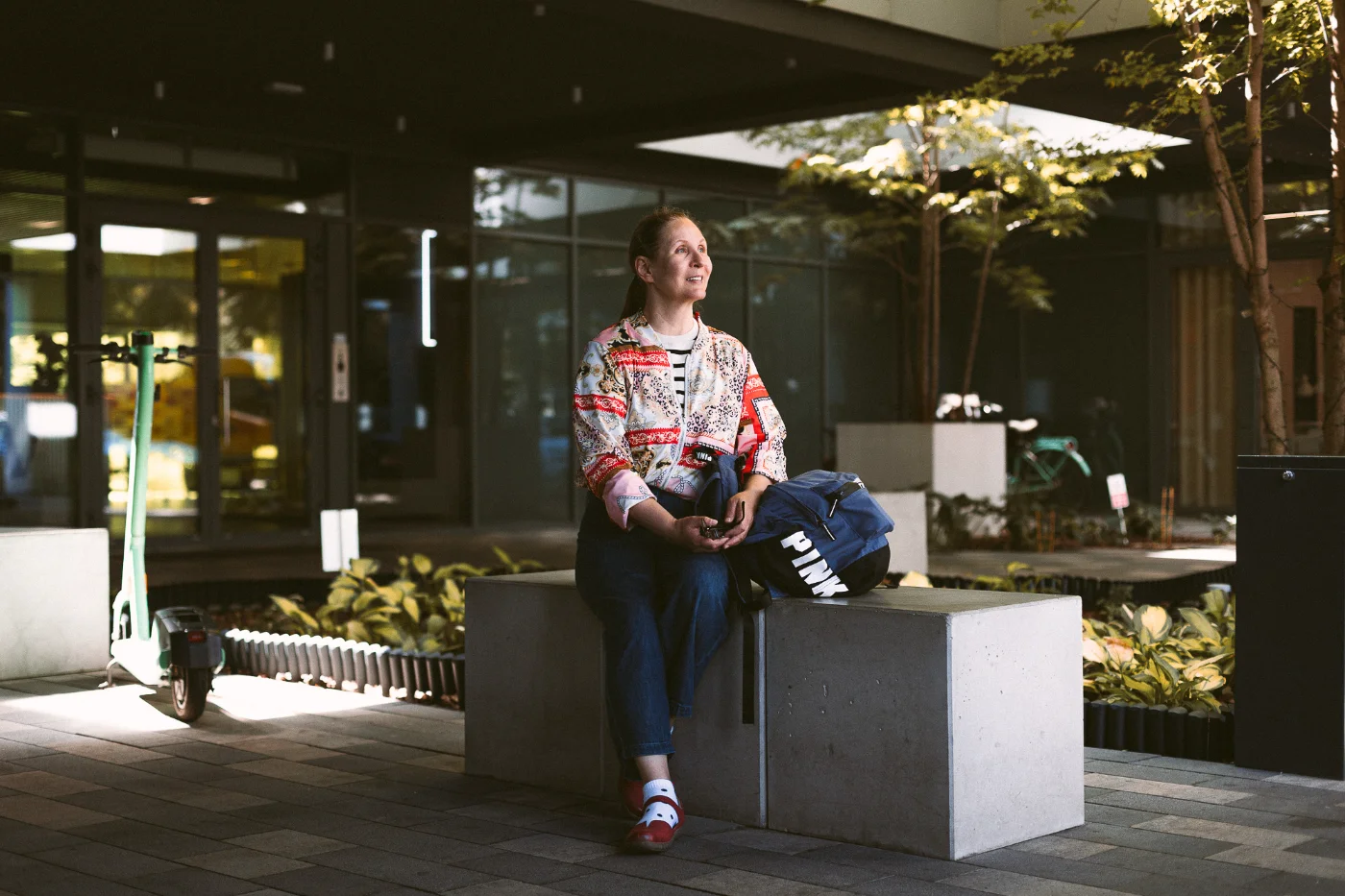
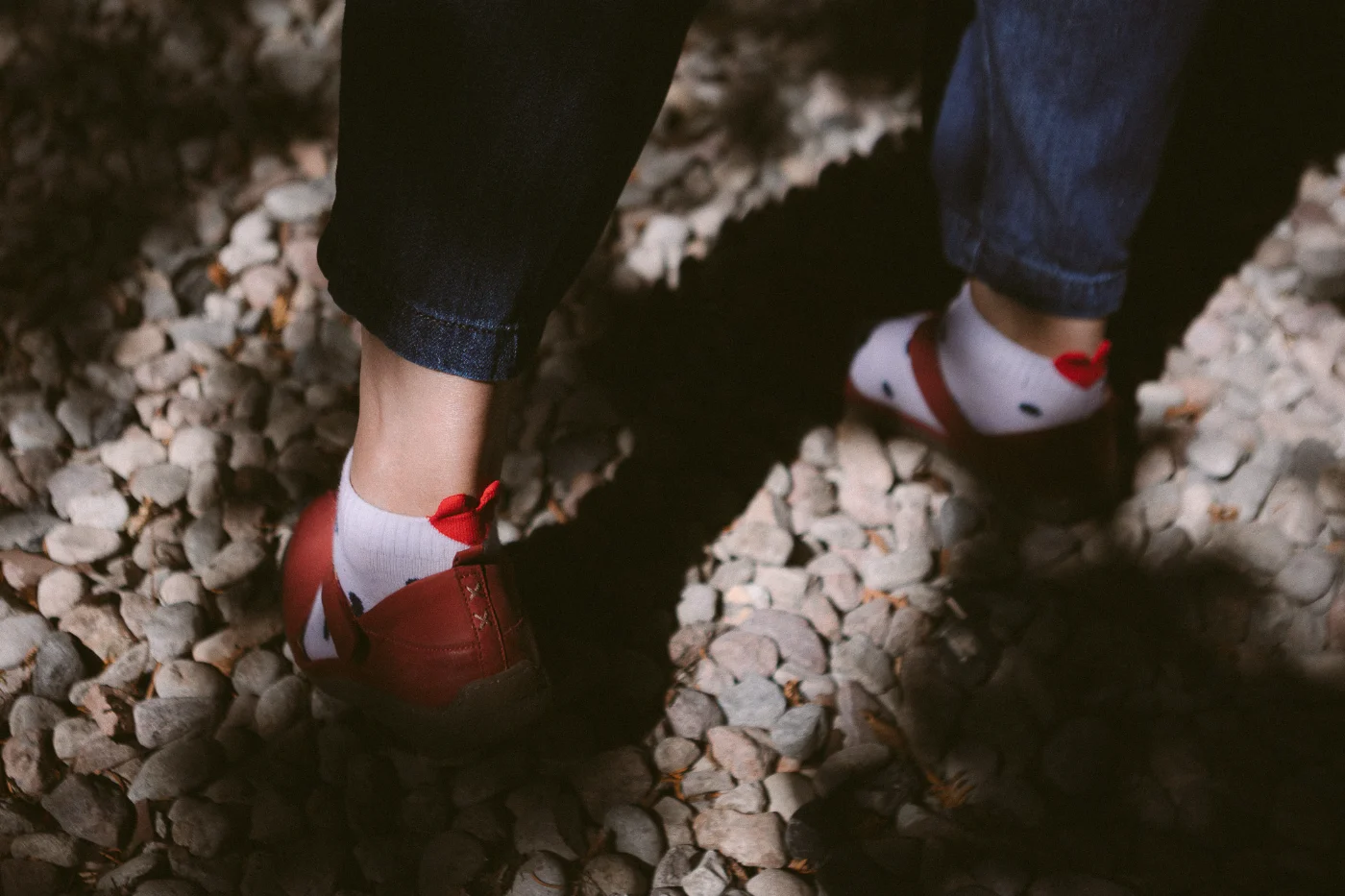
These Belarusian socks with hearts are dear to Maryia. She bought them in Georgia after leaving Belarus. Photo: Politzek.me
– You’d think I’m free now… I traveled alone to Bulgaria with two kids and couldn’t fathom what there was to be afraid of. But now everything is different. I’ve developed this real fear of new places.
Georgia became the one country Maryia misses most of all.
– Tbilisi was where I truly lived and breathed freedom. There wasn’t a single second where I was afraid of getting lost. Georgia stole my heart—I miss it even more than Belarus. I dream of spending every winter there.
«I’m Like a Screw: Threading My Way into a New Life!»
Maryia doesn’t make long-term plans, and she certainly wouldn’t have an answer for an HR manager asking where she sees herself in five years.
«I’ve stopped making long-term plans. I’m threading my way into this life! Not like a nail hammered in with one blow, but like a screw: little by little, turn by turn.»
Maryia graduated from the Faculty of Applied Mathematics and Computer Science at Belarusian State University and has experience working as a programmer. In Poland, she worked as a cleaner for a long time, but she recently completed career counseling and is actively job hunting.
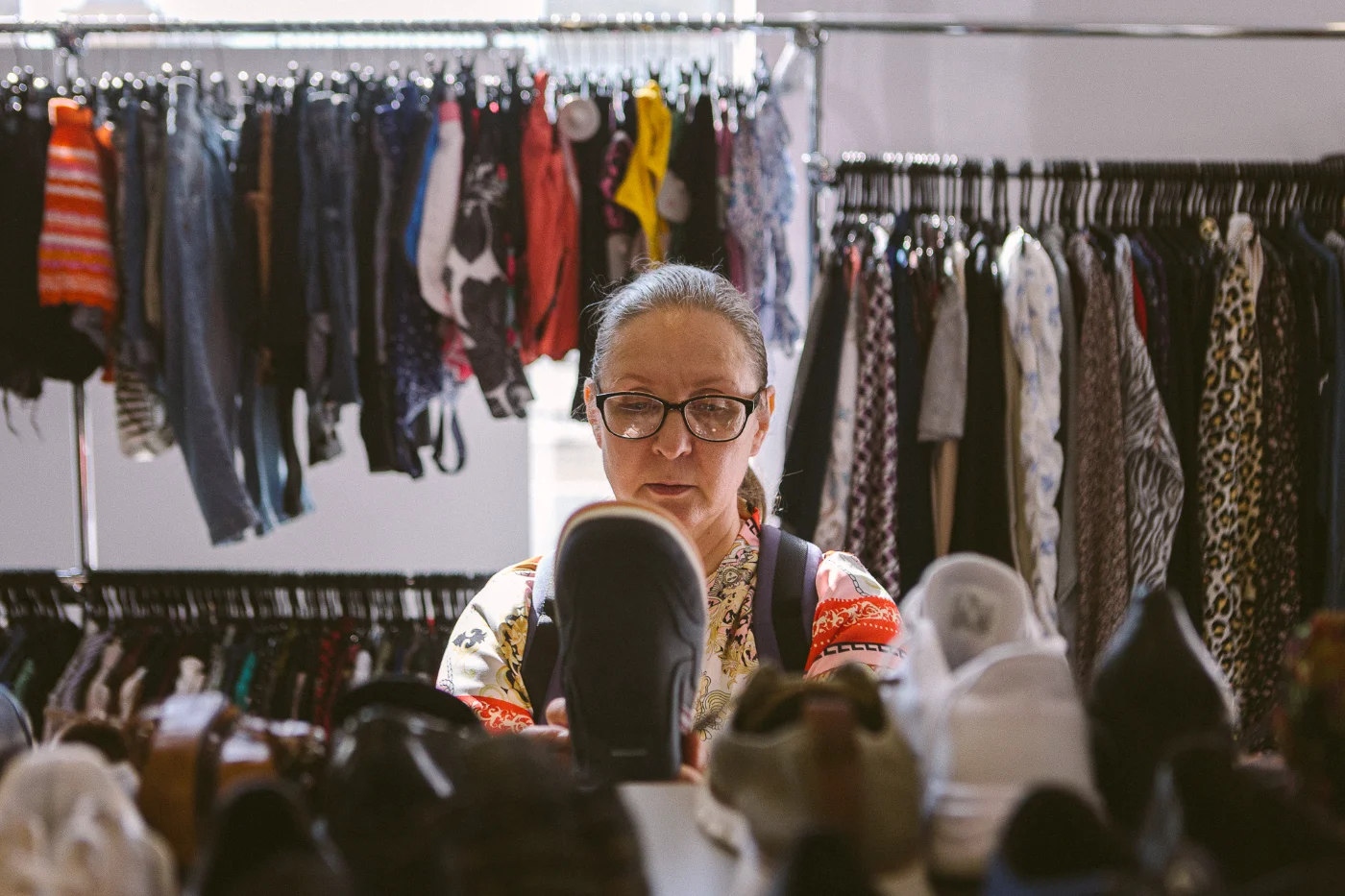
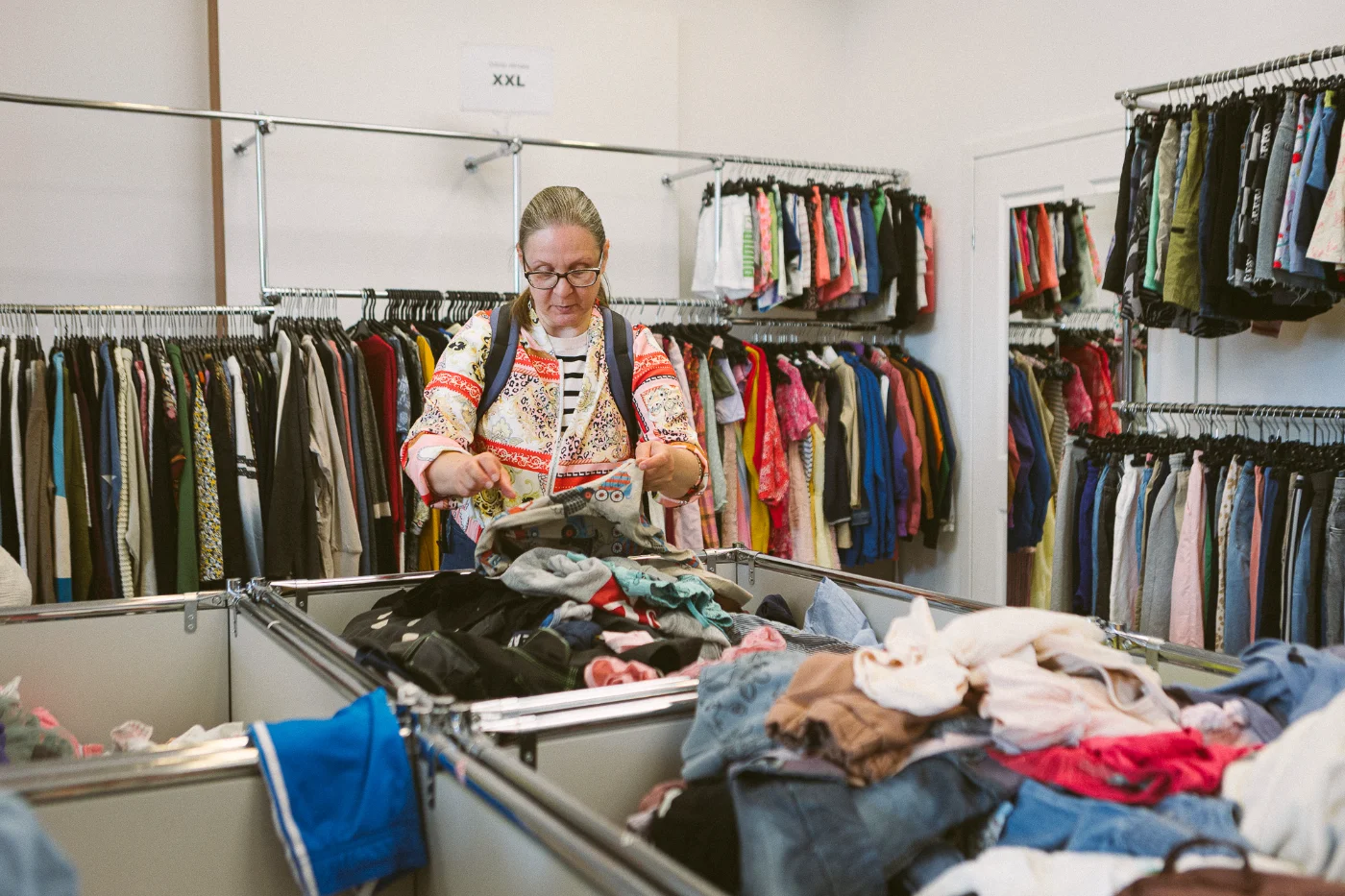
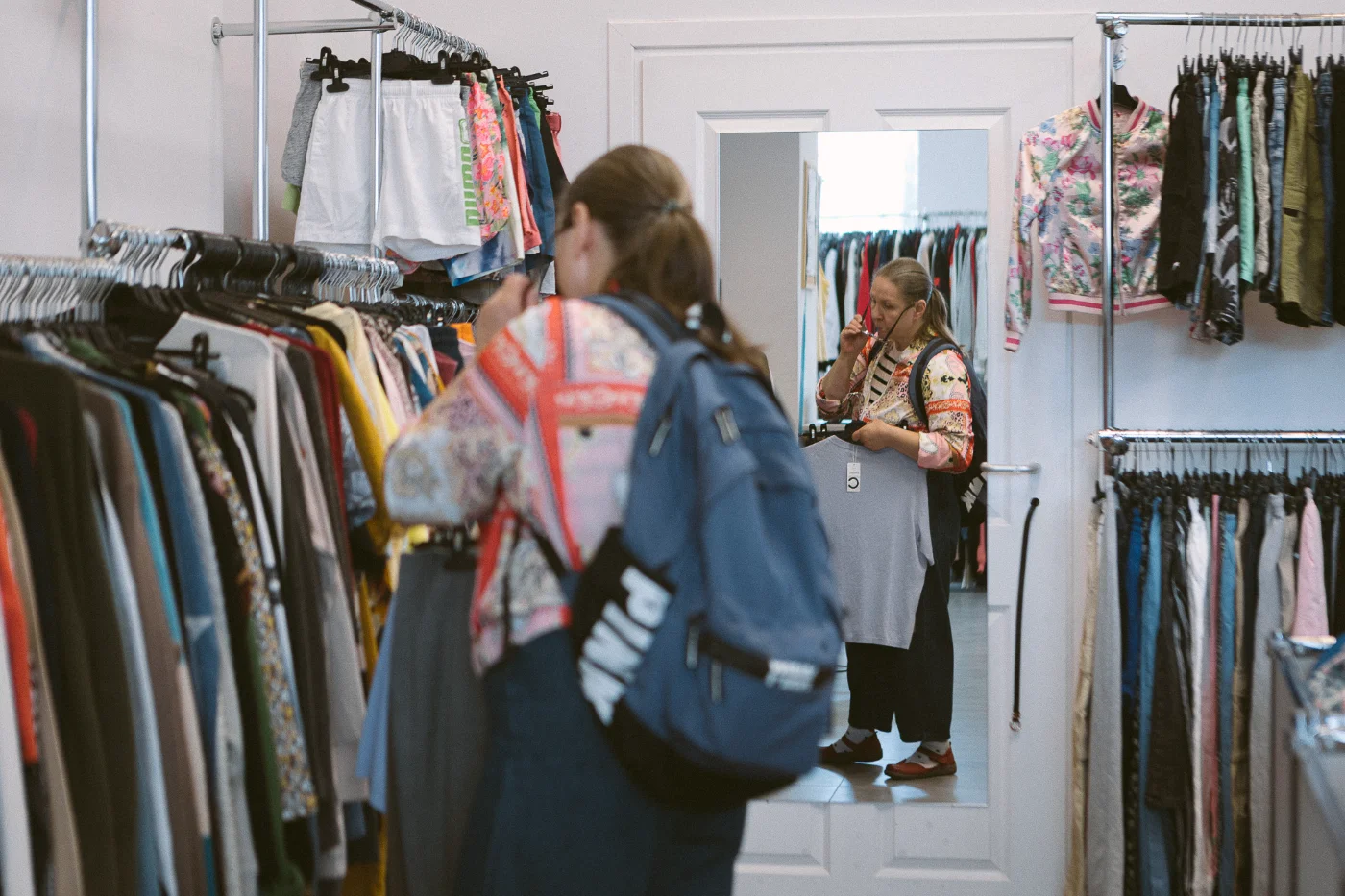
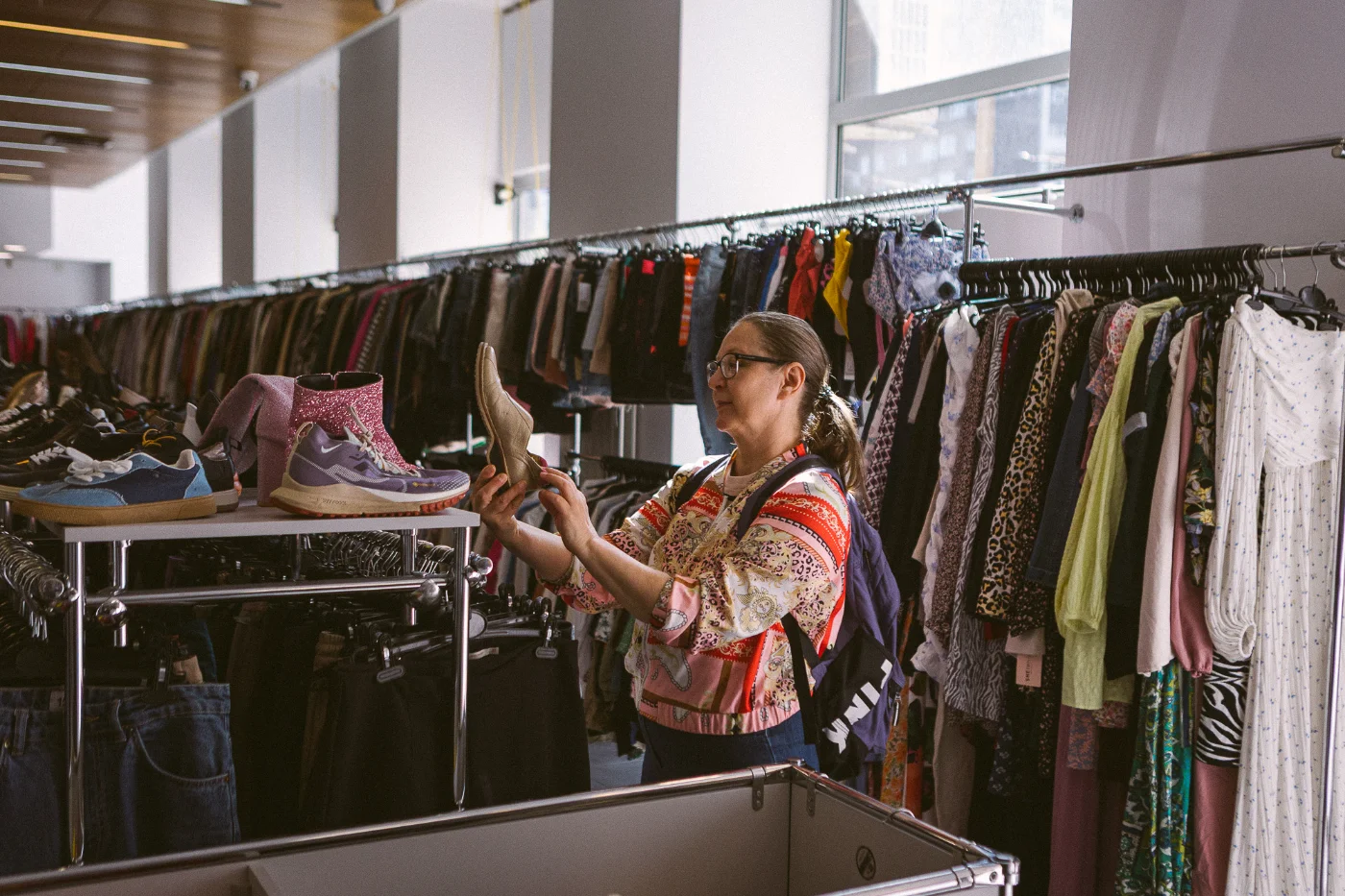
«I resell clothes that should bring people joy». At the second-hand shop, she carefully selects clothes for resale. Photo: Politzek.me
«In Belarus, I worked with accounting software implementation, so I get the logic. My son paid for my asystent księgowości course. I passed the exam and already got my accounting assistant certificate.»
– On one hand, I’m a little intimidated by the responsibility, but on the other, I know it’s work I can physically sustain for years to come. It’ll help me reach my goals.
Maryia believes career counseling is vital for refugees. Relocating often wipes out a person’s social status.
«People arrive with a wealth of knowledge that often counts for nothing here. So they start taking entry-level jobs, slowly losing their sense of professional self-worth. People suffer; they end up scrubbing toilets feeling like nobodies.»
– But if you show someone a path forward, they’ll still scrub those toilets—only with a completely different mindset, knowing it’s temporary, and that in six months they’ll get certified and rebuild their status.
«You don’t claim your place here all at once. You just have to keep doing what you know how to do, day after day.»
«For me, environmental sustainability and responsible consumption are very important», – says Maryia Niasterava. Photo: Politzek.me
«There’s Just an Insane Amount of Stuff in the World»
Maryia is walking this exact path. While searching for a job in her field, she’s also reselling clothes on the side.
– I’ve always loved entrepreneurship. In Belarus, after getting out of the colony, I started a small business making fruit leather and delicious treats. Here in Poland, I tried baking sourdough bread and thought about making home-cooked meals. But then I stumbled upon a YouTube channel about clothes reselling.
«The idea of eco-friendly living and moving away from overconsumption really speaks to me. There is just an insane amount of stuff being produced in the world!»
– If you walk through thrift stores with a trained, discerning eye, you could dress everyone. And dress them beautifully—not in rags. I started studying the brands that are in demand right now, and to my surprise, I actually started finding them in second-hand shops.
Maryia uses AI to identify brands. She has learned to distinguish between different fabrics. Photo: Politzek.me
– I’m building up my Vinted profile. In Poland, you can declare this as side income. As long as your earnings stay below a certain threshold, you just pay a 12% tax on your income at the end of the year.
«I love giving people that joy and sourcing top-quality pieces. I restore them, wrap them up nicely, and ship them out fast. I’ve got exclusively five-star reviews.»
(Here is Maryia’s Vinted profile. If you use the app to buy second-hand items, consider following her or grabbing a piece from her shop!)
It turns out Maryia also runs a YouTube channel about life in emigration called From Survival to Thriving, which currently has 80 subscribers. She admits progress is coming along slower than she’d like, but sitting around with her hands folded just isn’t in her nature.
«You need to take each item and examine it carefully». Photo: Politzek.me
«The Age Stereotypes Are in My Own Head, Not Anyone Else’s»
– People don’t pick up on my age; they keep asking me why I’m being so hard on myself. They tell me I’m not old and that I’m doing fine.
«But even so, deep down there’s this feeling that I somehow don’t belong.»
– I’m terrified that when I’m job hunting, the question of age will come up and I’ll lose out to the competition. When I schedule interviews, I don’t hide how old I am. So far, no one has reacted with, «Where do you think you’re going at your age?»
– So those age-related stereotypes—that my time is running out—are mostly just in my head. Part of it is because I haven’t been feeling great lately. I’m hoping that as my health improves, this view of myself as an aging person will fade away, too.
We permit full or partial republication of our texts and the use of our visuals. An active, direct hyperlink to the original page is mandatory and must be placed at the beginning of the republished text or social media post. Proper credit to the authors of all photo and video materials is strictly required.