«Laughing and joking once again»: The story of Anna Skrihan, who returned to her profession as an environmentalist after prison
We are continuing our series of interviews with former political prisoners. How do they adapt to life after prison? Anna Skrihan, our third protagonist, currently lives in Warsaw, works in her field as an environmentalist, and already knows what freedom tastes like. She shared her observations and dreams with us.
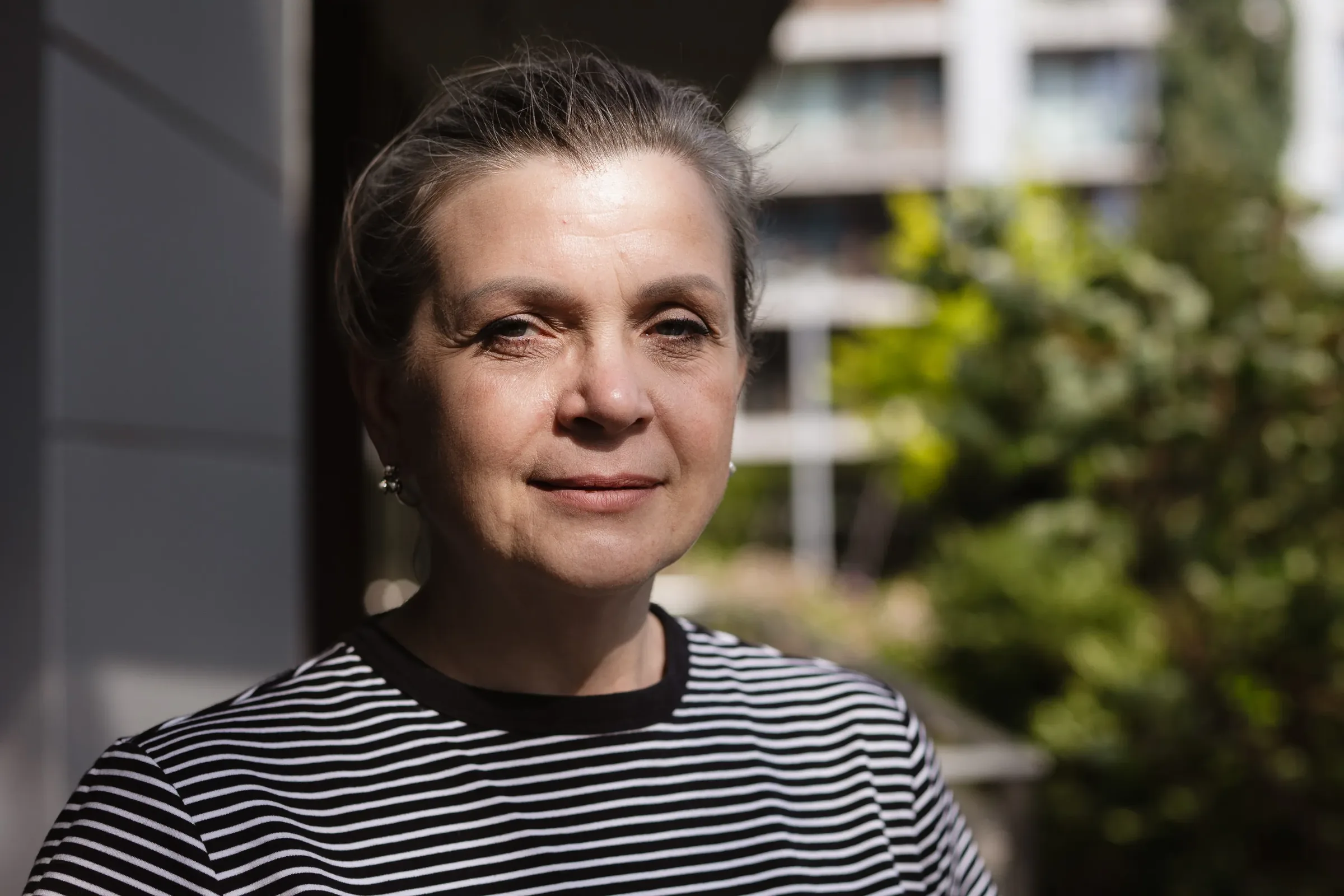
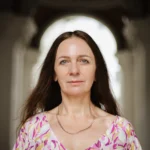
Anna Skrihan. Photo: Politzek.me
Belarusian Anna Skrihan emigrated three times due to politics. After 2020, she resigned from Mogilev State University, where she had served as an associate professor and department head. Then, in 2021, the KGB launched an investigation into an international project she was managing, forcing Anna to leave for Russia. Following the outbreak of Russia’s full-scale war against Ukraine, she relocated to Poland.
Anna was detained in 2023 when she returned to Belarus for a vacation. Why did she go back? Anna made this incredibly difficult decision after a conversation with her mother, who had called her from her father’s graveside to share how lonely she was. That sudden wave of emotion and the simple desire to hug her mother changed our protagonist’s life forever.
For her social media posts, a Belarusian court charged her under the Criminal Code with «inciting social hatred or discord.» Anna was sentenced to two years in prison. She was released in September 2024 and fled Belarus after spending sixteen months in detention and being designated a «terrorist.» Today, Anna Skrihan is 50 years old, and she has almost recovered.
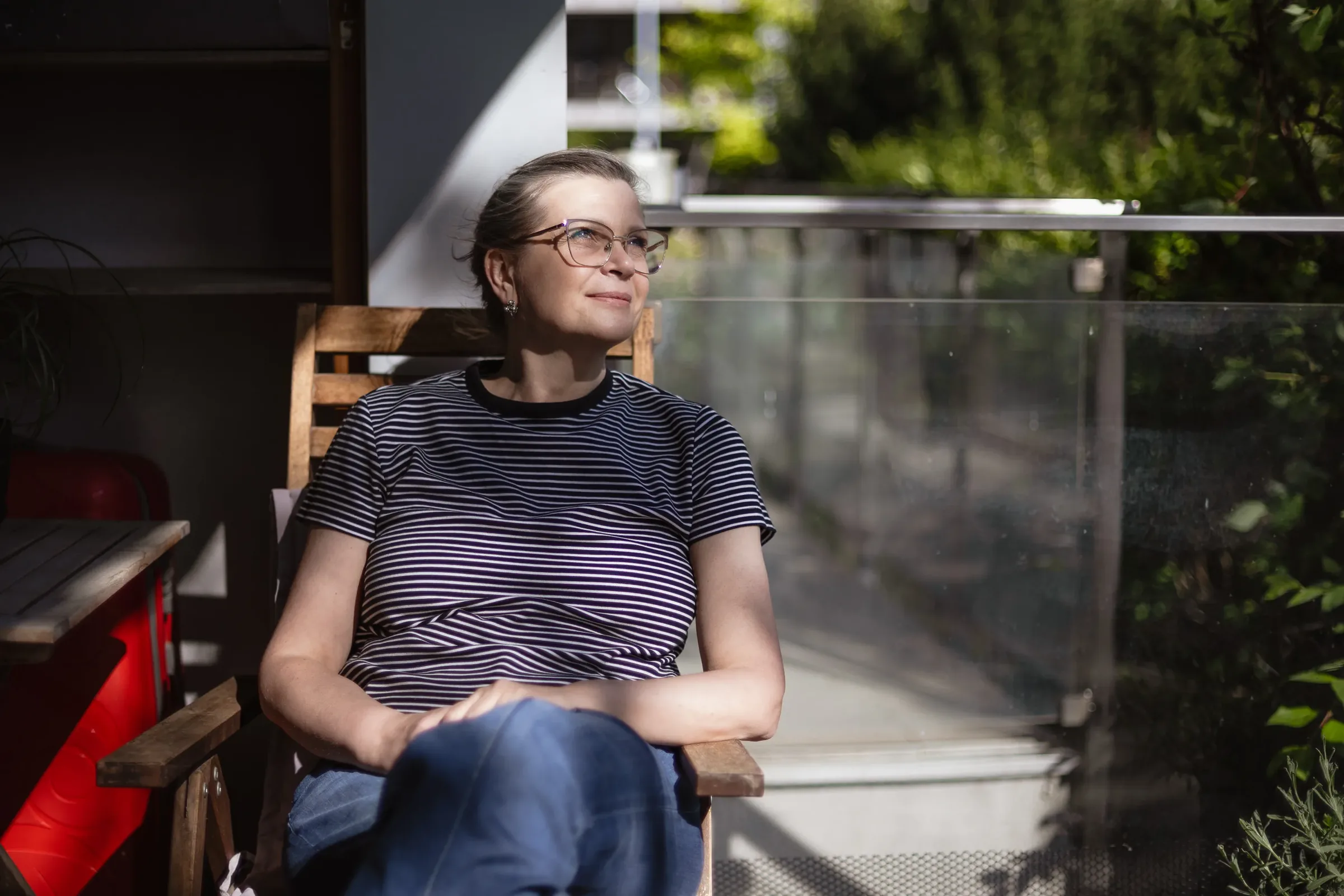
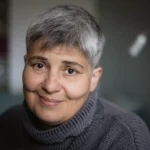
Anna Skrihan. Photo: Politzek.me
The Return of Laughter
This is Anna’s second summer of freedom. She says she only started feeling a real change this spring.
– As the Poles say, «ja doszłam do siebie»—meaning, I’ve finally come back to myself.
«Only now have I noticed that I’ve become more relaxed and stopped being constantly on edge. I’m laughing and joking a lot again.»
Laughter is a litmus test for one’s state of mind. According to Anna, she had always had a great sense of humor, with a love for puns and jokes, but after her release, her laughter seemed to vanish completely. Returning to herself took some time.
«A year ago, I understood that everything seemed to be fine, that you’re functioning. But inside… it was as if something was broken.»
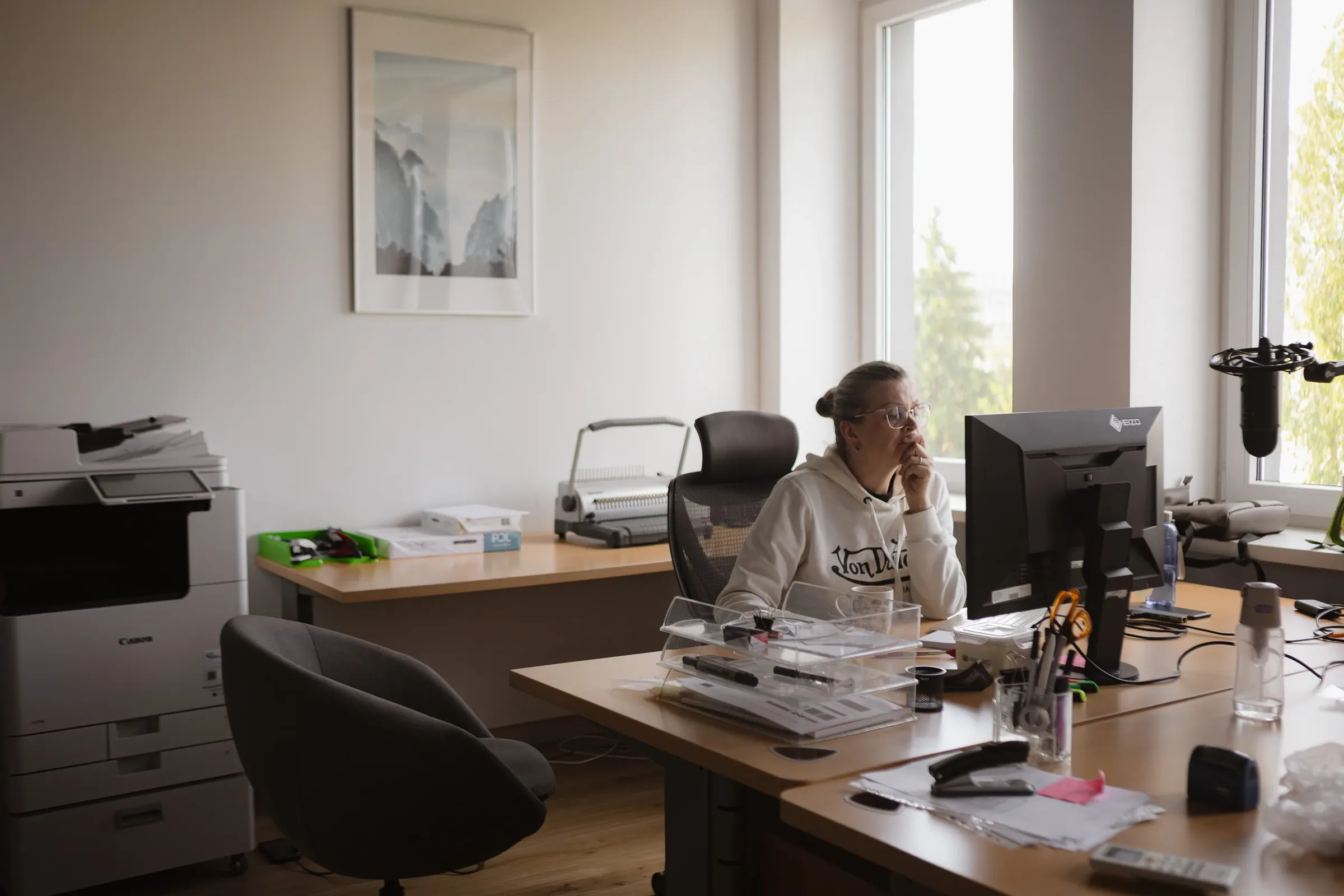
Over the past year, Anna has resolved her paperwork and legal status. She was granted international protection, completed her urgent medical treatment, and found a job in her field. Yet, she considers her greatest achievement that very return to herself—and the fact that she has started having «bouts» of unprovoked optimism once again.
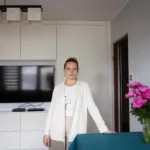
Anna at work in the office. Photo: Politzek.me
Prison Takes More Than Just Time
When Anna was released, she was forty-nine. At this age, starting life over is hard, she admits.
– I had to accept that prison split everything into «before» and «after.»
«I’ve forbidden myself from thinking about what life could have been like if none of this had happened.»
Anna says that prison takes away more than just time. It shatters the sense of continuity in one’s life, strips away any familiar future, and forces one to abandon the past.
– You realize you can no longer lean on your former life. Everything was left behind there. I refused to surrender my dignity to the system, even though prison tried to break me. Resisting the system became the very survival mechanism that pulled me through.
Anna Skrihan. Photo: Politzek.me
The Desire to Return to Academia Did Not Come Right Away
After her release, Anna found herself in Poland. The country welcomed her, but emigration still turned out to be a rather painful experience.
– Objectively, an immigrant is someone who took the risk to move. And it’s up to them to handle their own problems. On top of that, I still haven’t figured out what I want to be when I «grow up.»
In Belarus, Anna had been working in academia. But after her imprisonment, she felt as though she would never be able to return to the work she loved.
«Only this spring did I start getting ideas, a desire to research and write again. At some point, I got my appetite for it back.»
Our heroine speaks passionately about this long process—how her brain recovered very slowly, almost imperceptibly. First came the ability to enjoy the little things. Then, the ability to dream. And only after that, the desire to create something new.
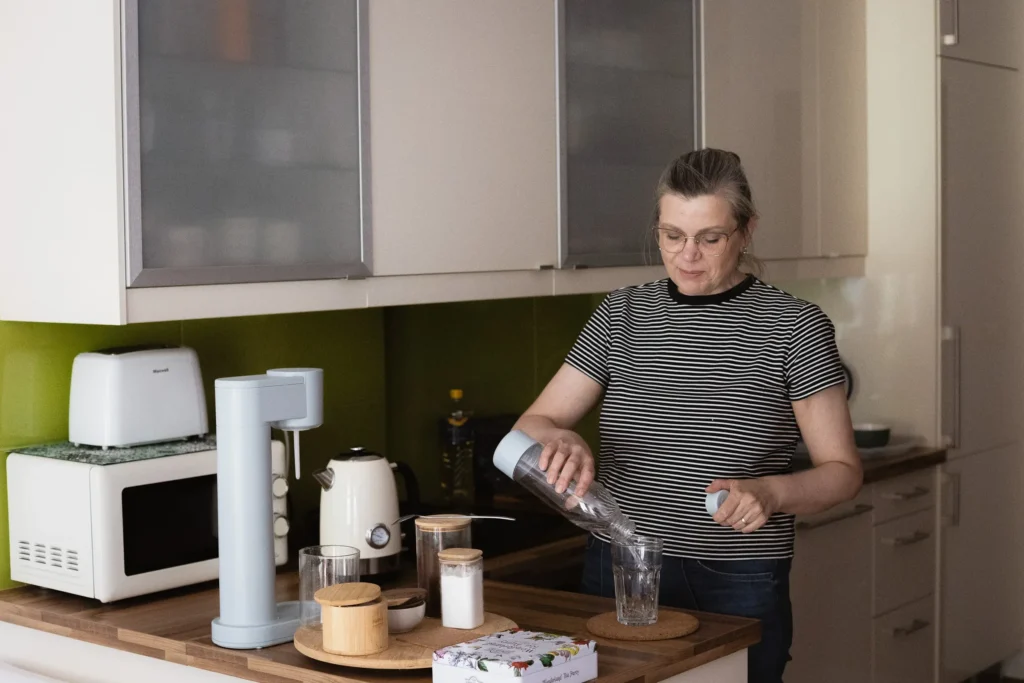
This device lets you make sparkling water at home instead of buying water in plastic bottles. Photo: Politzek.me
«I Can’t Weep for Myself»
During the first year of freedom, there is an initial period that could roughly be called «I just lay there.» Anna admits:
«It was very hard for me to find a reason to simply get out of bed.»
Anna lived with her daughter. It was she who insisted that the former political prisoner start seeing a therapist. Gradually, she found the strength to go for walks, to visit museums, and to spend time in parks. Then Anna ordered herself a new pair of glasses, as her eyesight had significantly worsened during her imprisonment.
Six months later, Anna was able to live independently.
– Before that, I didn’t even have the desire to cook for myself. But then, what I call ‘nesting’ began: moving, fixing up the apartment, buying things, creating my own space. Activities started to fill my time—Polish language courses, putting together a resume, and then I began looking for a job.
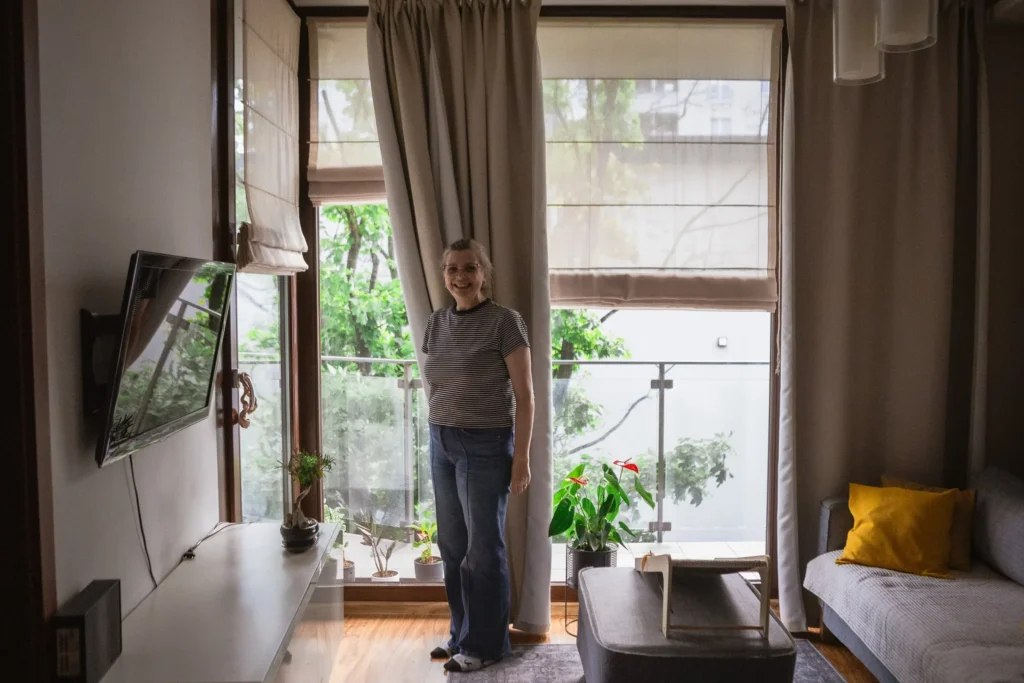
«The fact that I have flowers now means that this is my home», Anna Skrihan admits. Photo: Politzek.me
After eight or nine months of therapy, Anna realized she was finally ready to move forward on her own. Though some aftermath of the experience still lingers.
«I’m still a very anxious person, and I take melatonin to sleep. I still can’t weep for myself. Only for someone else.»
«I’m Just Not a Local»
By profession, Anna is an ecologist with a PhD in Geography. Back in Belarus, she was an associate professor and university department head, and she led a regional branch of «Ecoproject.» She loves the fields of ecology and urban planning and has put a great deal of effort into staying in her profession. Today, she works for a small Polish company that helps businesses comply with European environmental regulations. Anna is currently on a probationary period. She shares that finding this job was anything but easy.
«There were times when they would let you know: it’s not that you’re a bad specialist. It’s just that you’re an immigrant.»
Our protagonist does not blame anyone. She acknowledges that the competition in the Polish job market is fierce, and it is often just easier for an employer to hire a local candidate.
– Searching for a job in my field became a long and painful process—especially after prison, when every new rejection cuts so much deeper.
Home is Where Your Favorite Flowers Are
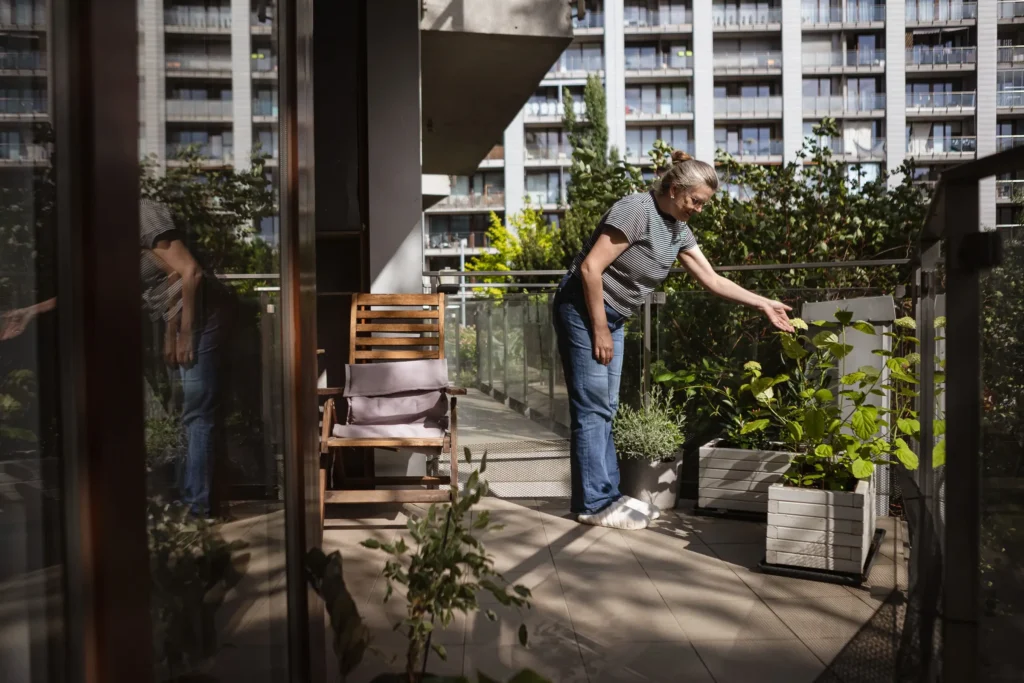
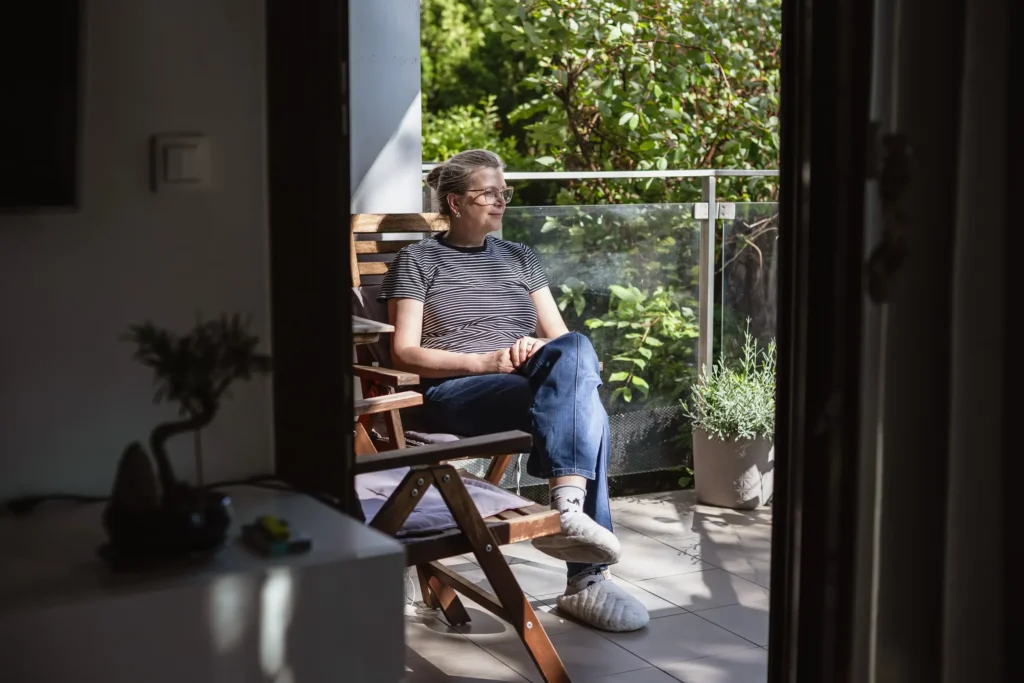
The environmental scientist’s «little garden» on a Warsaw balcony. Photo: Politzek.me
Once, Anna Skrihan tried to make her hometown of Mogilev greener and more eco-friendly. She dreamed of Mogilev becoming the tulip capital of Belarus, and of creating an arboretum in the city where schoolchildren could learn to tell a maple tree from a birch tree. But unfortunately, according to the ecologist, for now, paving stones are simply much cheaper than lawns.
This spring, Anna visited Warsaw’s Pole Mokotowskie to take photos of the fields of crocuses.
«I consider flowers to be one of the most perfect biological species. And also, I’ve got my own «garden» this year.»
The apartment where she lives is filled with houseplants. And out on the balcony, a lavender plant and a boxwood shrub have taken root.
– In Poland, boxwood is usually bought for Easter. Back home, it started to wither, but I decided not to throw it away and planted it out on the balcony instead—and look, it has already bounced back. And the lavender has just taken off, even without any fertilizer!
«But honestly, the fact that I now have flowers here in Warsaw means just one thing to me: this city has become my home.»
Anna doesn’t miss Belarus, but she misses the people very much. Photo: Politzek.me
Anna admits that she does not miss Belarus. It turns out it is hard to feel nostalgic for a state that labeled her a so-called «terrorist» just because she does not support the war. Yet, Anna misses the people deeply. Her loved ones. The life that can never be brought back.
* What does the status of a «terrorist» mean in Belarus? Unfortunately, the country's authorities continue to violate the rights and freedoms of dissenters under the pretext of combating extremism and terrorism. As of the summer of 2026, human rights defenders continue to record criminal prosecution and detentions based on fabricated charges of «extremism» and «terrorism.» The KGB of the Republic of Belarus regularly updates its list of «terrorists.» At the time of publication, it includes 1,614 people, 696 of whom are citizens of Belarus. The list of «terrorist» organizations in Belarus currently stands at 484.
«I Imagined Stroking My Cat»
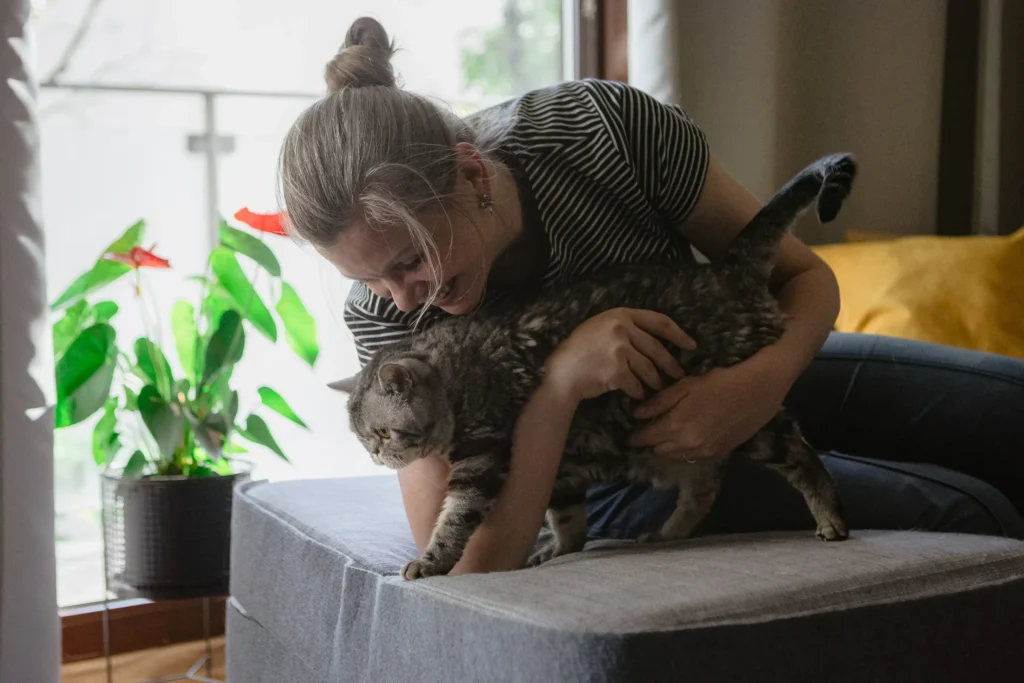
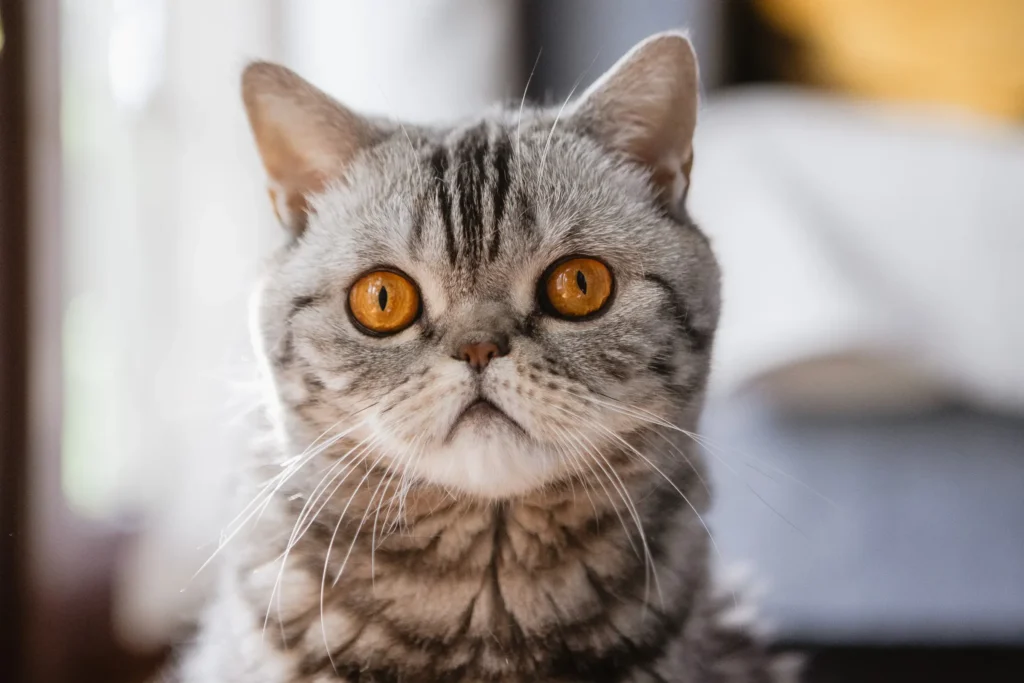
A cat named Frosya came into Anna’s life in November 2020. Today, this little face is six years old. Our protagonist’s daughter brought her out of Belarus, and once in Poland, the cat was anxiously waiting for Anna.
Today, all the feline grievances are in the past, and there is complete understanding and love. Photo: Politzek.me
During her imprisonment, it was the memories of Frosya that helped her get through the tough moments, serving as a psychological anchor for the political prisoner.
«You know, when things got really bad in there, I would imagine stroking my Frosya, feeling how soft her fur was… »
Upon her release, Frosya recognized her owner instantly. However, for the first two weeks, she was deeply «offended.» Anna laughs:
– But eventually, I was forgiven! At first, Frosya absolutely hated it when I left. She still doesn’t like it now, but she has gotten used to it and relaxed a bit.
Anna affectionately calls the cat «a goddess with a grumpy face» and completely respects all of Frosya’s anxieties and her reluctance to show her belly to strangers.
Frosya, the very same cat who waited a long time for her owner to come home. Photo: Politzek.me
Prison Lays Bare What Lies Within
Anna says that she has changed. She has become more cautious and trusts people less.
«I certainly haven’t become kinder! I used to be someone who rushed to help everyone. Now, I no longer interfere unless I am asked to.»
Prison teaches you to calculate consequences, to be tougher, and to think more about your own interests. Still, Anna does not believe that imprisonment itself can turn a person bad.
«Prison experience just exposes and intensifies what is already inside each person.»
«The experience of prison reveals what a person has inside», Anna believes. Photo: Politzek.me
As she recalls, many political prisoners remained incredibly kind people. Anna smiles sadly:
«There was just no malice in them! There was nothing for it to grow from!»
In confinement, a unique bond forms between people. When trust and support are present, even the most mundane conversation about books, movies, or dreams becomes a true lifeline for the prisoners.
«Oh, that was an emigration within the walls! Even a tiny, seemingly insignificant act of help—a piece of candy or a tube of toothpaste—acquires immense value for someone left without any care packages.»
This kind of friendship can turn out to be even stronger than the ones born on the outside. In the colony, Anna made a friend, Katya Bakhvalova, sharing conversations about books and travel. The political prisoners shared a dream: once free, they would hug on the steps of St. Stephen’s Basilica in Budapest. Anna hopes that one day this dream will come true.
To capture light, you must paint the shadow
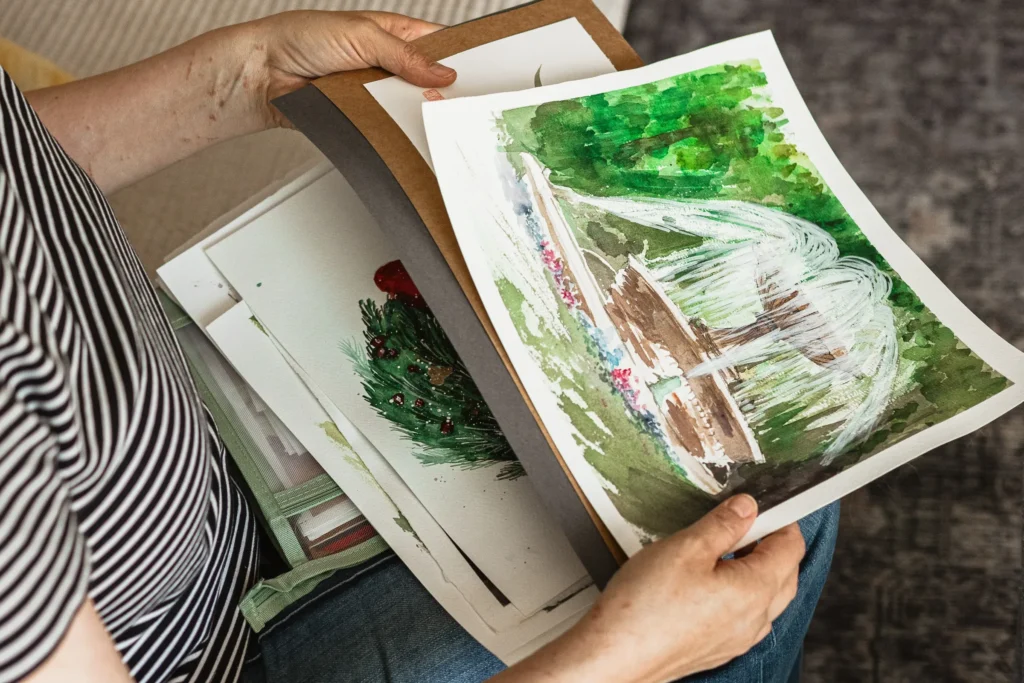
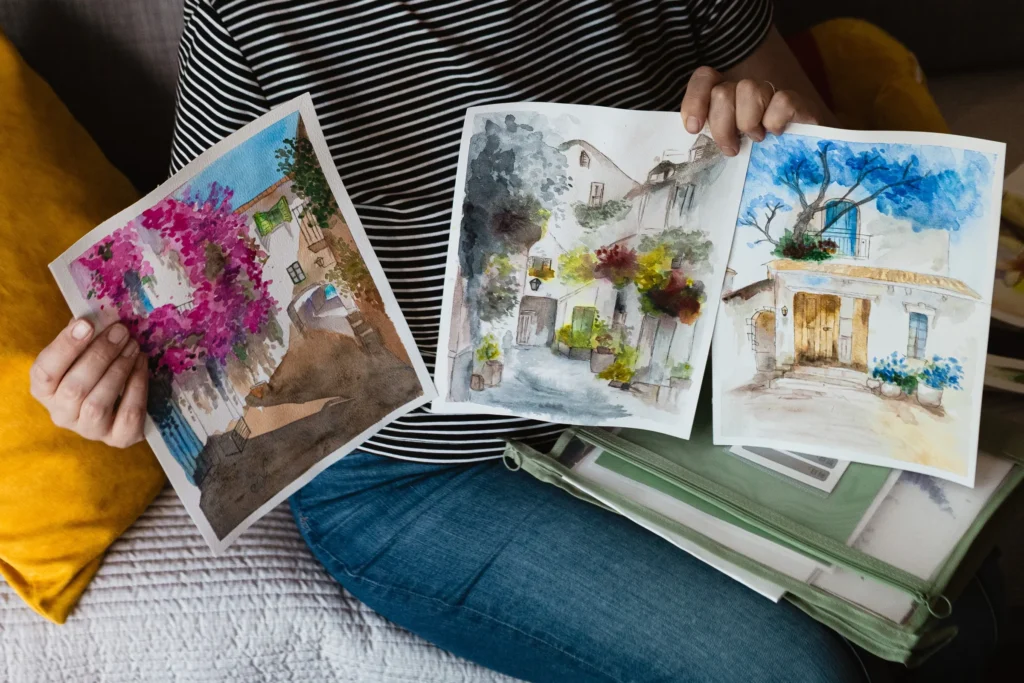
Anna’s watercolor paintings. Photo: Politzek.me
Anna paints—for now, just for herself. As she shows her work, she mentions how much she regrets missing out on any art workshops.
– My daughter keeps telling me it’s time to start selling my paintings, – Anna shares. – Honestly, it’s an incredibly thrilling process. Watercolor has a life of its own—you aren’t really painting, per se. You just have to let the colors flow and not overwork the details.
«And to capture light, you must also paint the shadow!»
Anna shows her drawings: fish, flowers, and a magnolia branch she finished just recently. She is also particularly fond of drawing architecture.
– I have a whole collection here—I’m painting Croatia, – she says. – When I’m finally able to, I’ll take a vacation there. I want to find a little white courtyard just like this one, filled with flowers. With the sea visible somewhere in the distance.
And here are those Croatian courtyards that Anna dreams of visiting one day. Photo: Politzek.me
* If you would like to purchase Anna’s artwork, you can find her on Instagram at - instagram.com/skryhan.
The Scent of Freedom is Linden
When asked what freedom smells like, Anna answers almost instantly:
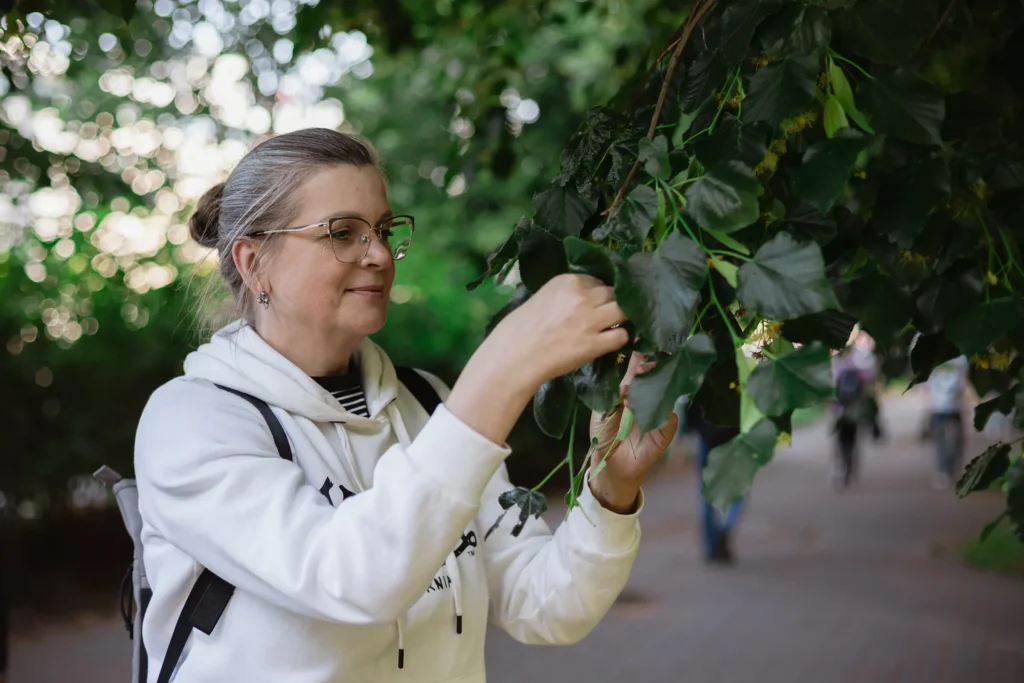
– Linden! Blooming linden!
It was one of the very first scents Anna noticed after gaining her freedom.
The scent of blooming linden trees is the scent of freedom for Anna Skrihan. Photo: Politzek.me
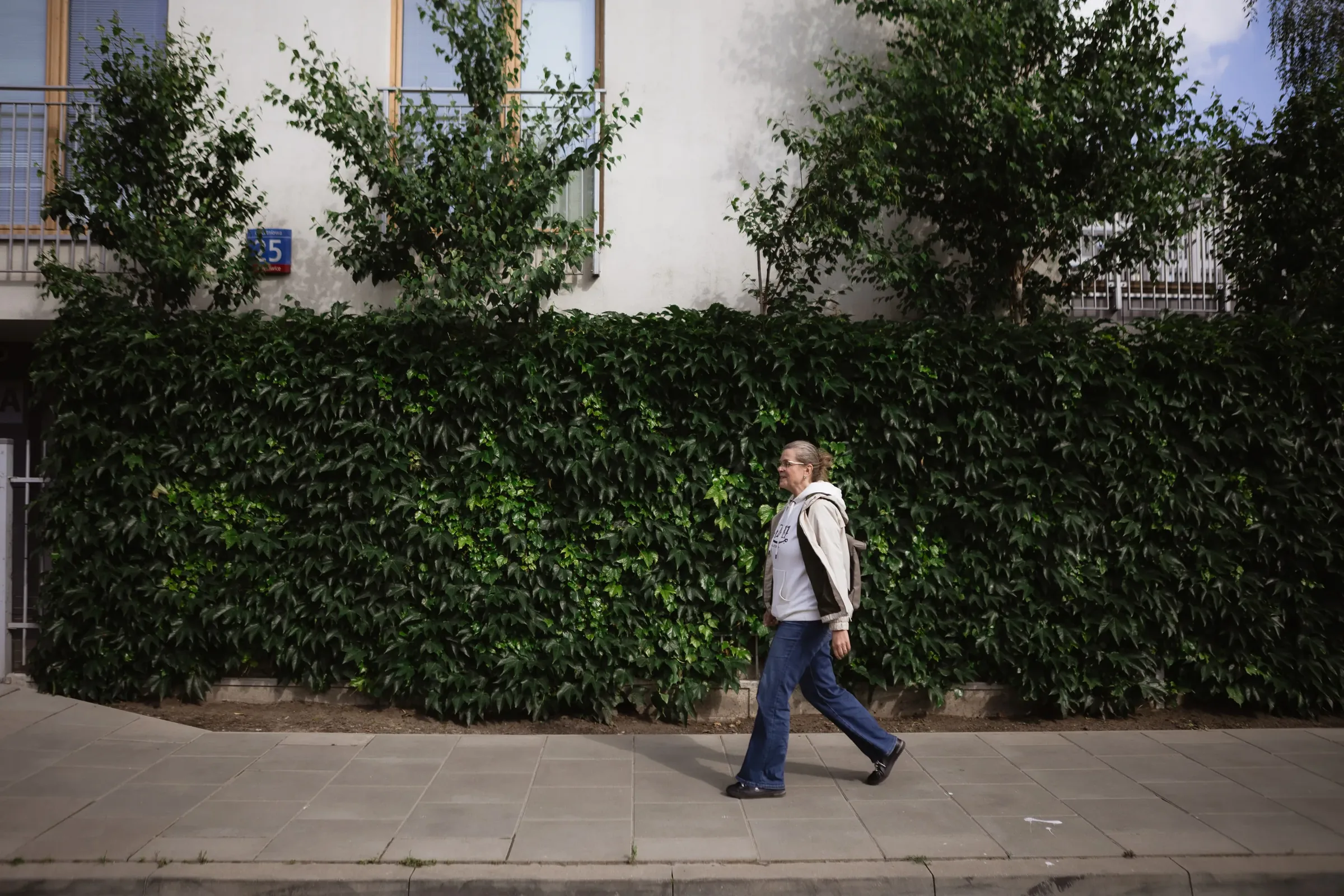
– Now, I intentionally map out my routes so I can walk under the blooming linden trees, heavy with fragrance.
And what does freedom taste like? Anna smiles:
«For me, the taste of freedom is the smell of pizza! With cheese, salami, and ham.»
You know, a few weeks after arriving in Warsaw, my daughter and I spent hours walking around the city, just talking. Then we stopped by a cafe and ordered a pizza. And it was that exact taste that became forever linked with freedom for me.
After sixteen months of imprisonment, being labeled a «terrorist,» and all that lost time, freedom turned out to be beautifully simple.
Freedom smells like blooming trees. And it tastes like a pizza shared with a loved one, knowing that NO ONE else can ever take this evening away from you.
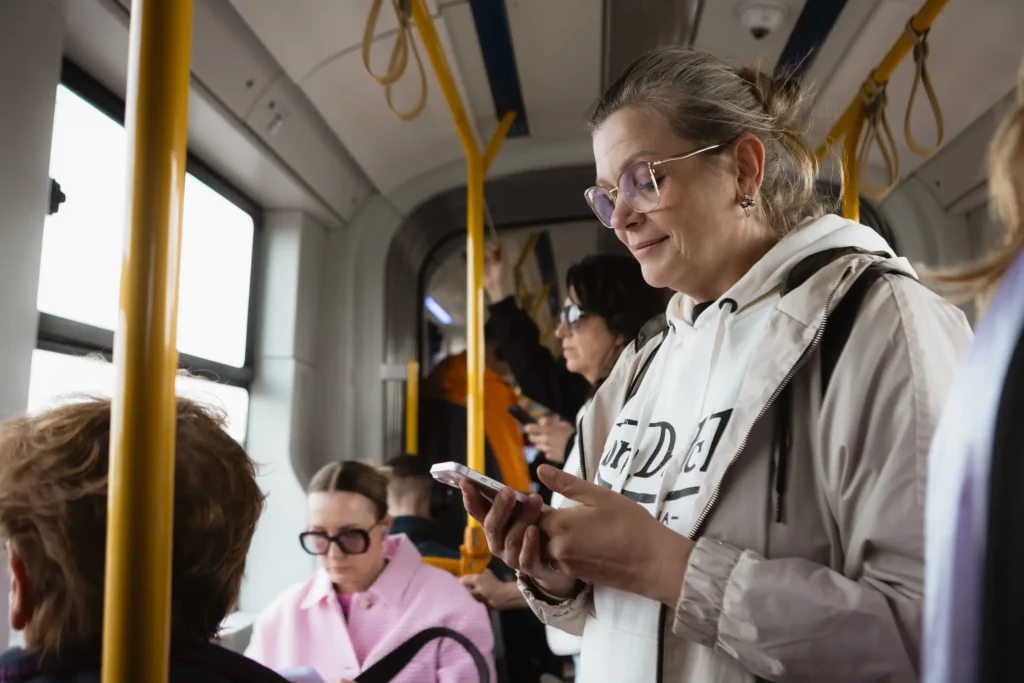
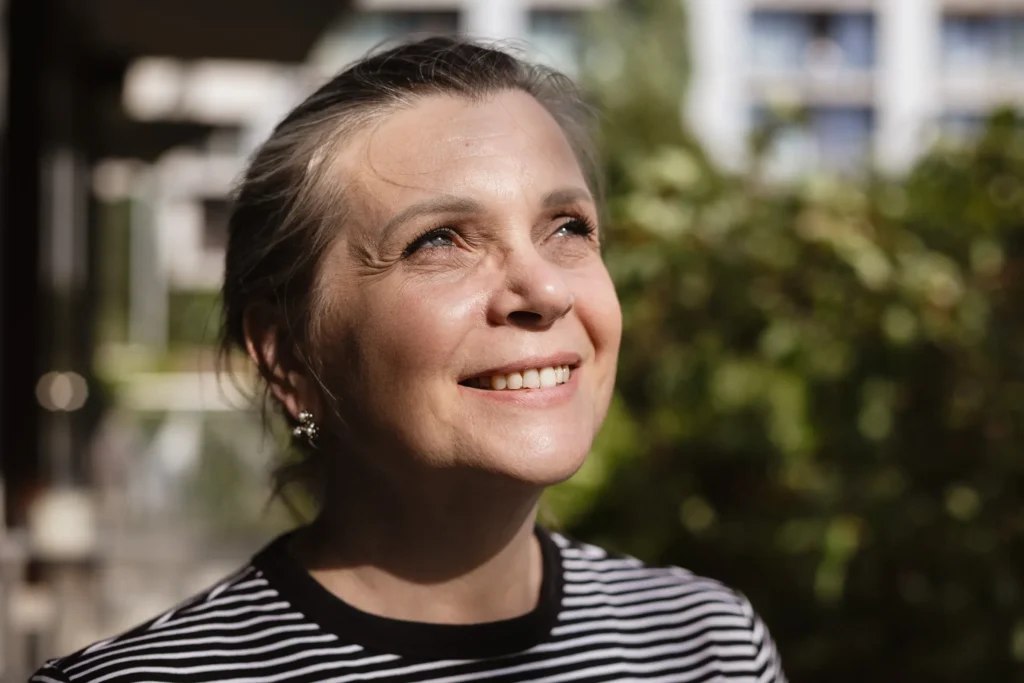
Her second summer of freedom. Photo: Politzek.me
You can donate to former political prisoner Anna Skrihan right now — right here. Anna is starting her independent life in a new country. Your support will help her keep her housing, continue her professional development, improve her language skills, and navigate the process of adapting to life after prison with greater stability — a period that, for former political prisoners, can often be no less difficult than the release itself.
This is just one piece of the puzzle of unique stories of Belarusian women and men. We introduce you to former political prisoners—ordinary people who simply dared to be themselves during a challenging time in history. The era of political prisoners.
We permit full or partial republication of our texts and the use of our visuals. An active, direct hyperlink to the original page is mandatory and must be placed at the beginning of the republished text or social media post. Proper credit to the authors of all photo and video materials is strictly required.