«I Didn’t View My Time in the Colony as Wasted.» The Story of Larysa Shchyrakova
Could anyone really fail to be happy about getting out of prison? It happens when release comes hand-in-hand with being forced out of your country. When it happens just three months before your sentence officially ends. And when you are taken abroad, while your heart and soul, your father, and your home remain in the hometown where your whole life was spent. We talk with former political prisoner Larysa Shchyrakova about her reluctance to settle into a new country and her conviction that she will inevitably return to Belarus
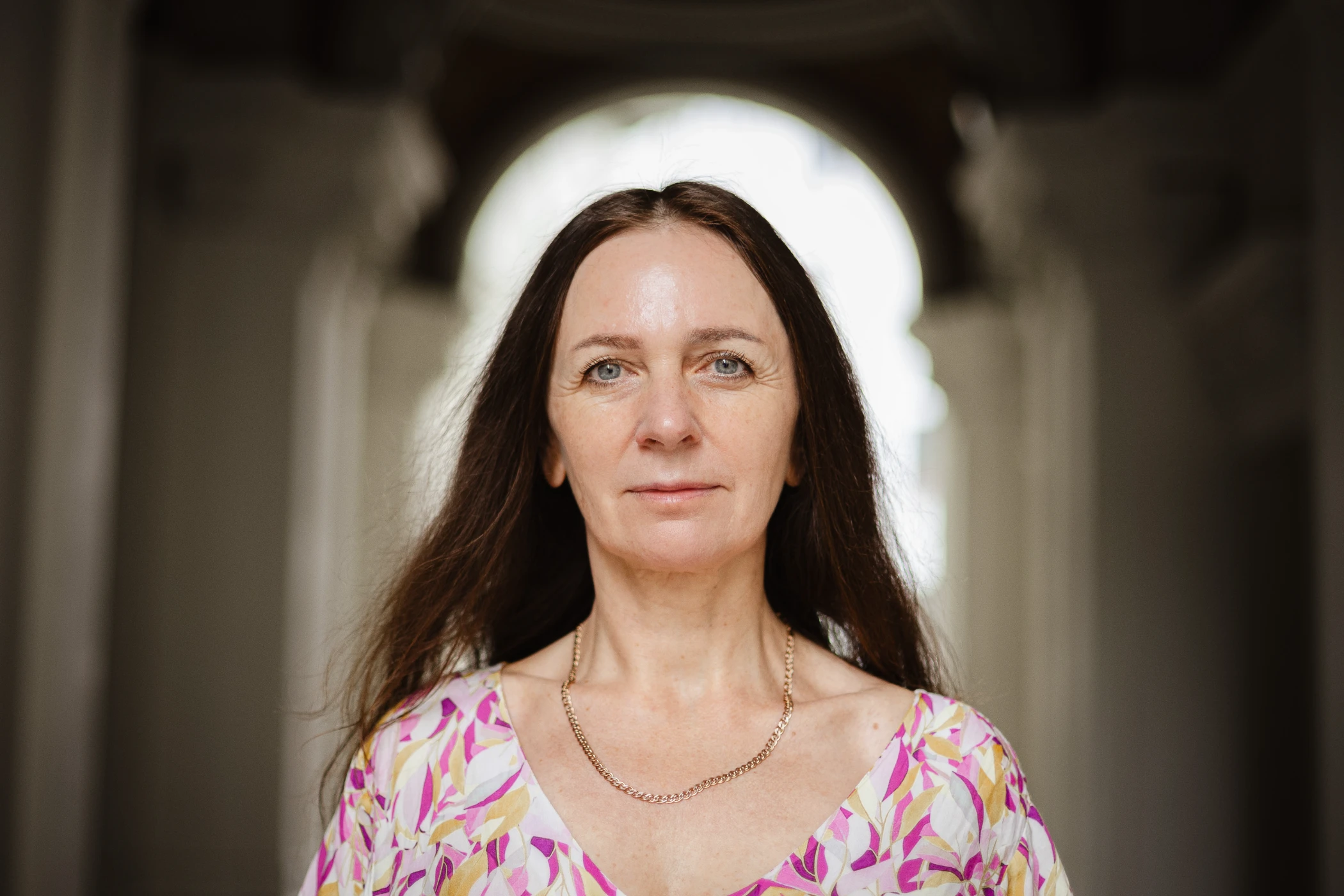
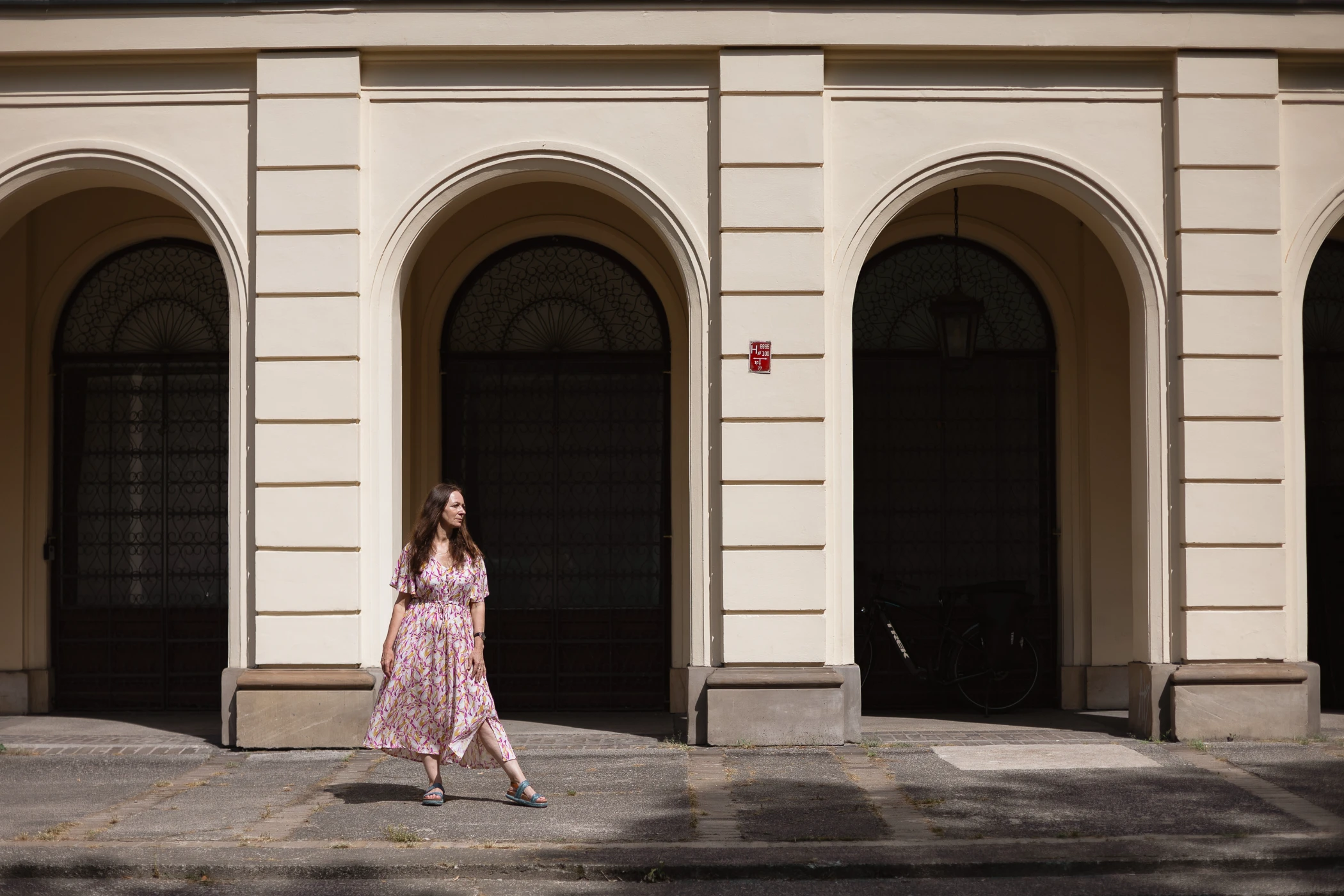
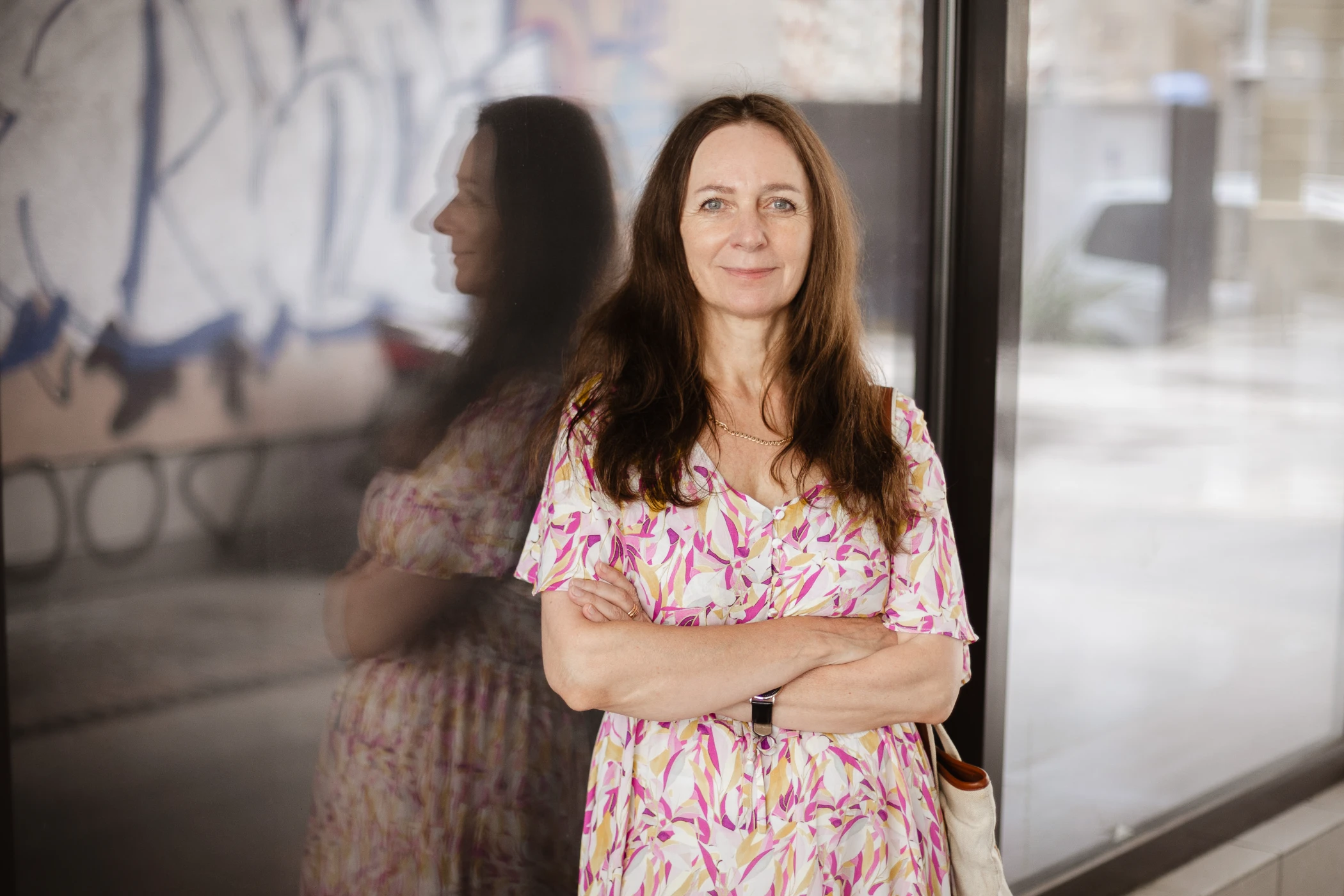
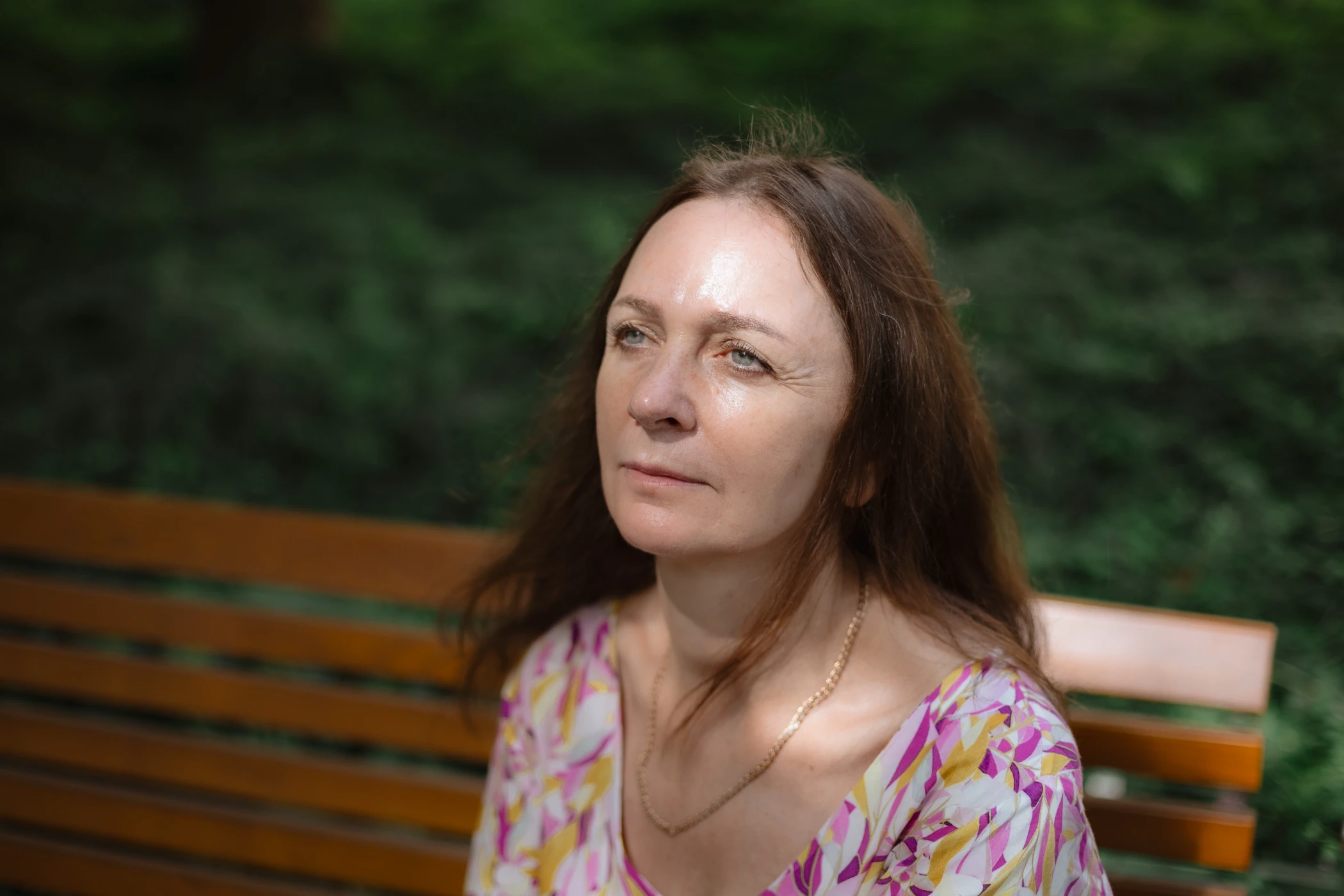
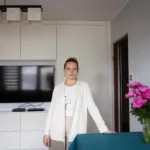
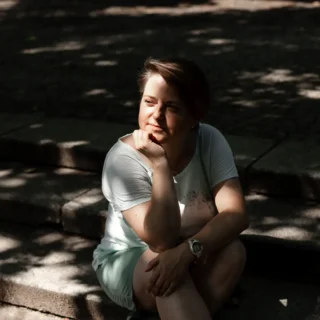
Larysa Shchyrakova. Photo: Politzek.me
Larysa Shchyrakova from Homiel had been detained multiple times on administrative charges—such is the difficult reality of being a female Belarusian journalist. Concerned about her safety, Larysa left the profession in 2021 to pursue ethno-photography. But the authorities did not forgive her previous work. In 2023, she was tried under two articles of the Criminal Code of the Republic of Belarus for alleged «facilitation of extremist activity» and «discrediting Belarus.» She was sentenced to three and a half years in a penal colony alongside fines. In September 2025, as part of a group of 52 political prisoners, Larysa was forcibly deported from Belarus to Lithuania. She found herself in a foreign country, even though she had dreamed of being released and simply walking home. She views her release as an additional punishment. Today, she dreams of her hometown, lives close to the Belarusian border, and organizes ethno-photoshoots.
«So, I just have to get through it.»
When asked how she is feeling, Larysa answers without much optimism, but also without despair.
– My mood isn’t great, but my outlook on life hasn’t changed. I never dwell on the negative. In any situation, even a bad one, I try to find something good.
This philosophy helped our protagonist both in freedom and behind bars. She says she has always been an optimist.
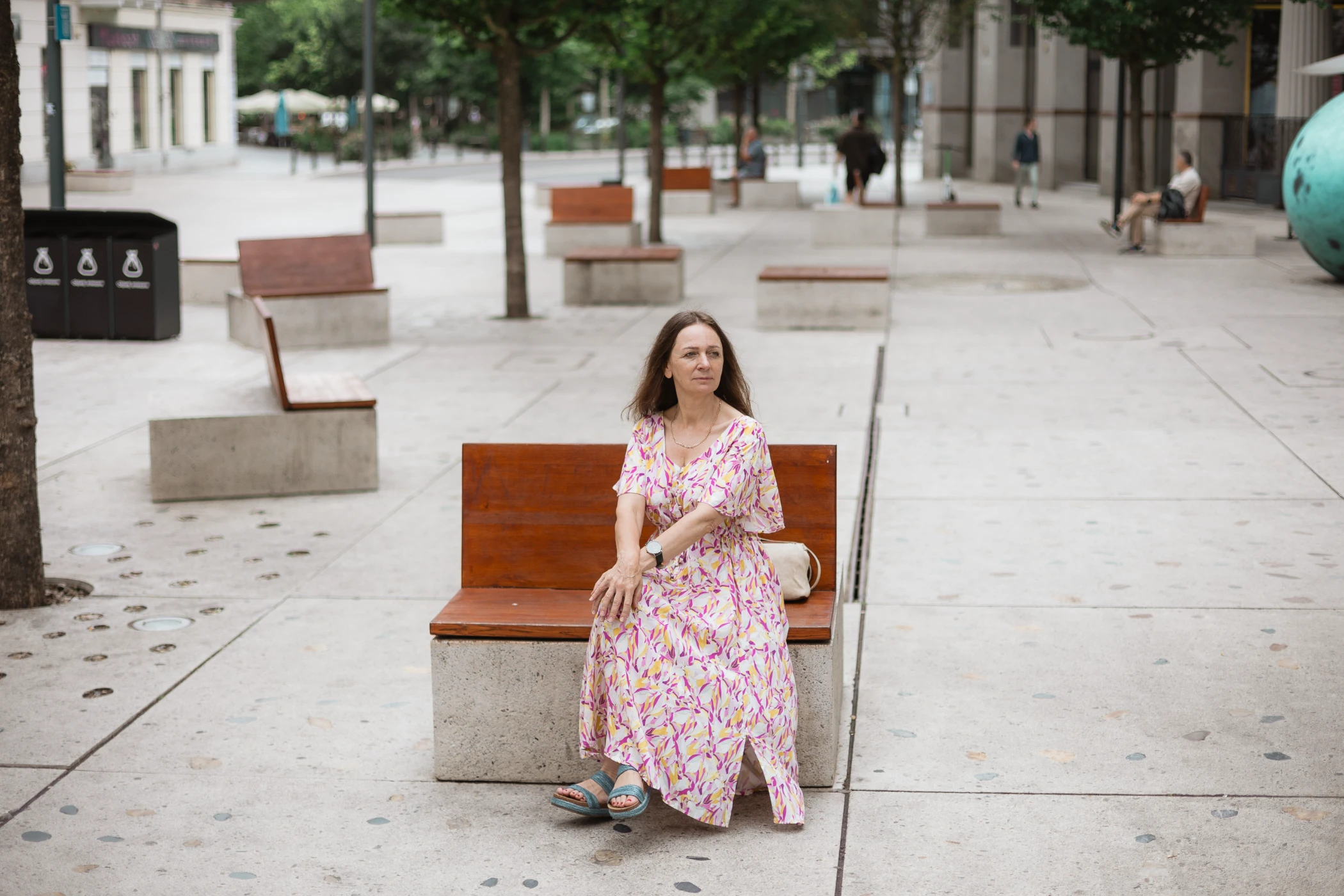
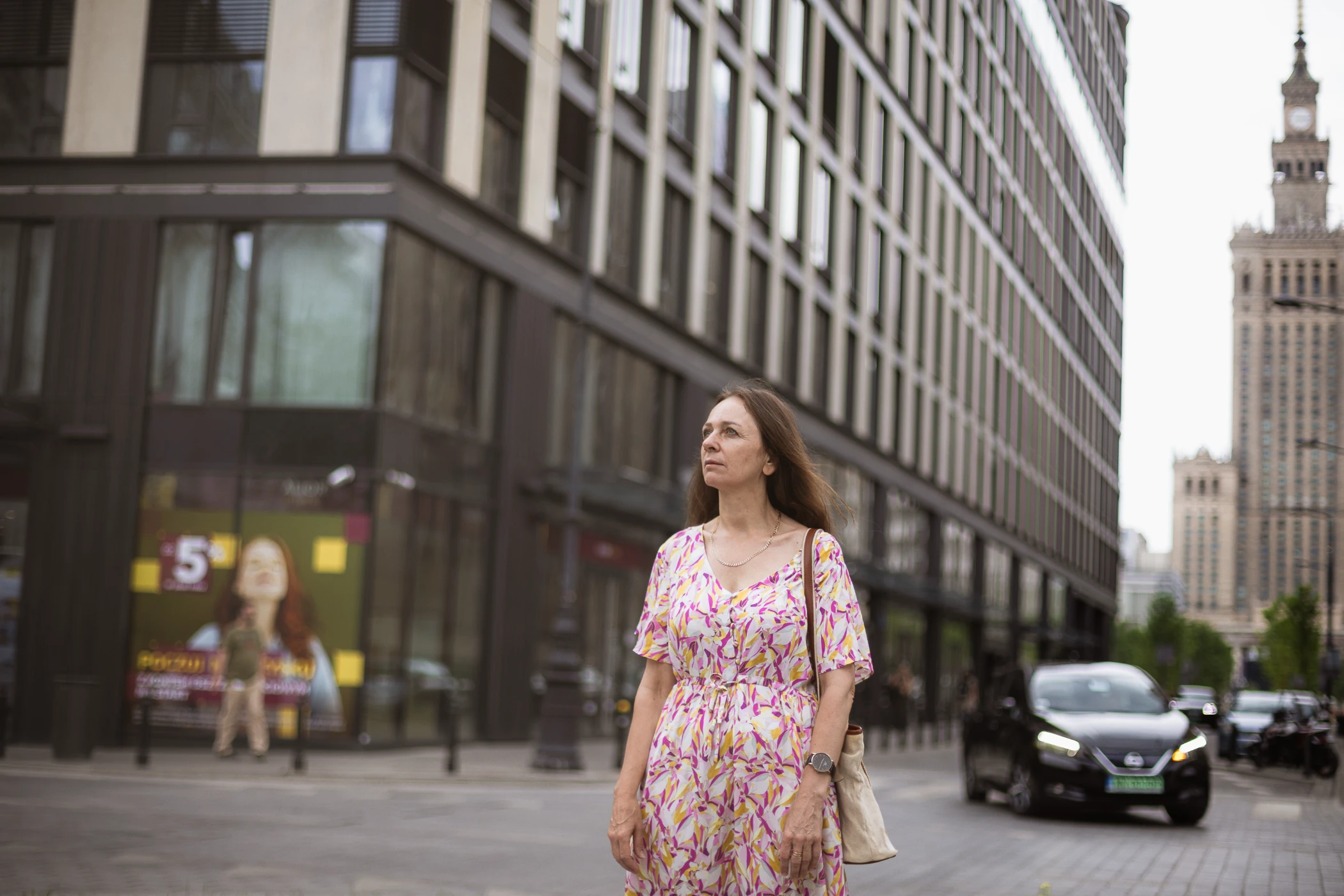
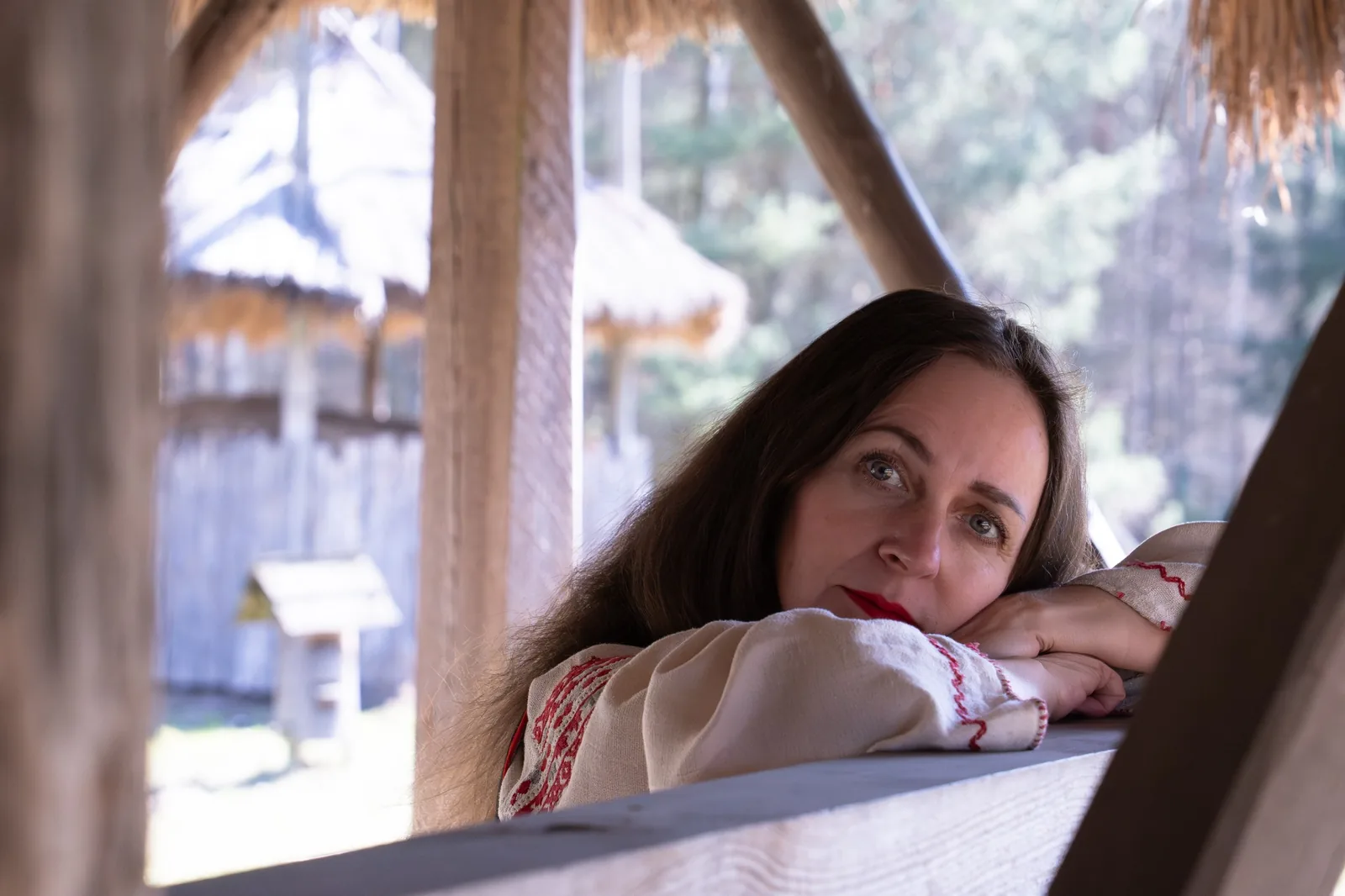
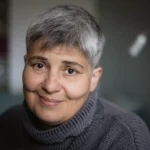
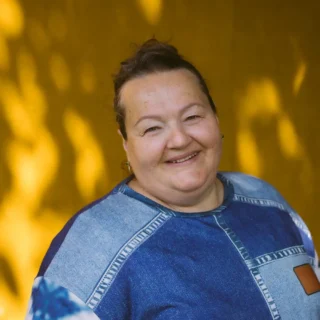
Larysa Shchyrakova. Photo: Politzek.me
– Life goes on even in prison, so there’s no point in obsessing over hardships. You have to look for meaning in what’s happening and live in the here and now. You only get one life. There’s no point in wasting it.
A Christian understanding of humility holds a special place in Larysa’s life philosophy.
– I framed certain rules for myself to help lower my stress level.
«When you are in prison and cannot change anything, you just have to accept the situation. Don’t focus on the negative consequences, don’t beat yourself up. Just accept it.»
Larysa says she does not waste energy on things beyond her control. When conflicts arose or someone acted aggressively in the penal colony, she tried not to get too emotionally involved.
«I told myself: well, this is how it is right now. So, I just have to get through it.»
– In prison, I met some truly decent people. And I’m not just talking about political prisoners, though first and foremost, of course, about them. These are women of high culture and morality. I had never seen such a concentration of educated, dignified people in one place. I am so grateful that they were a part of my life.
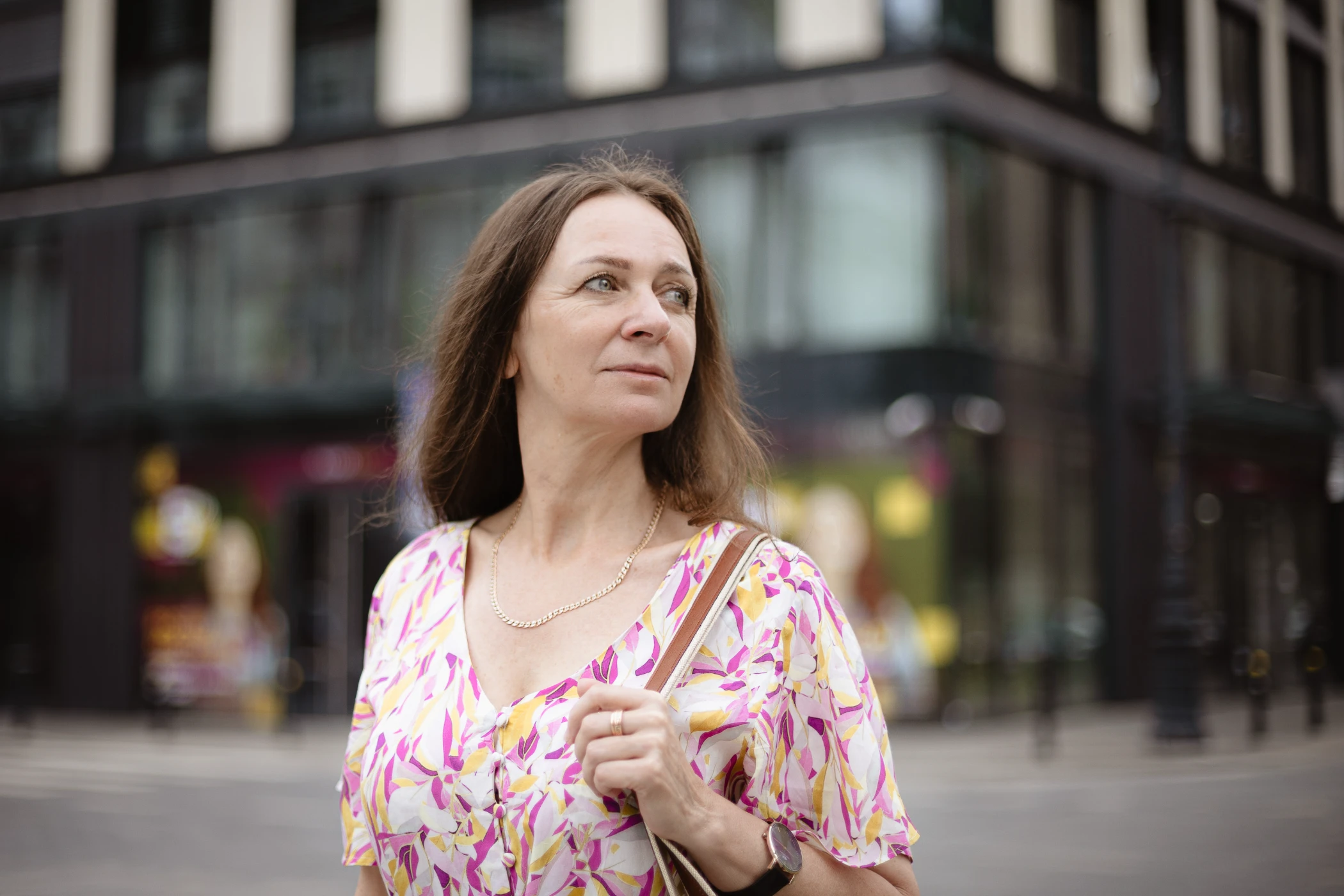
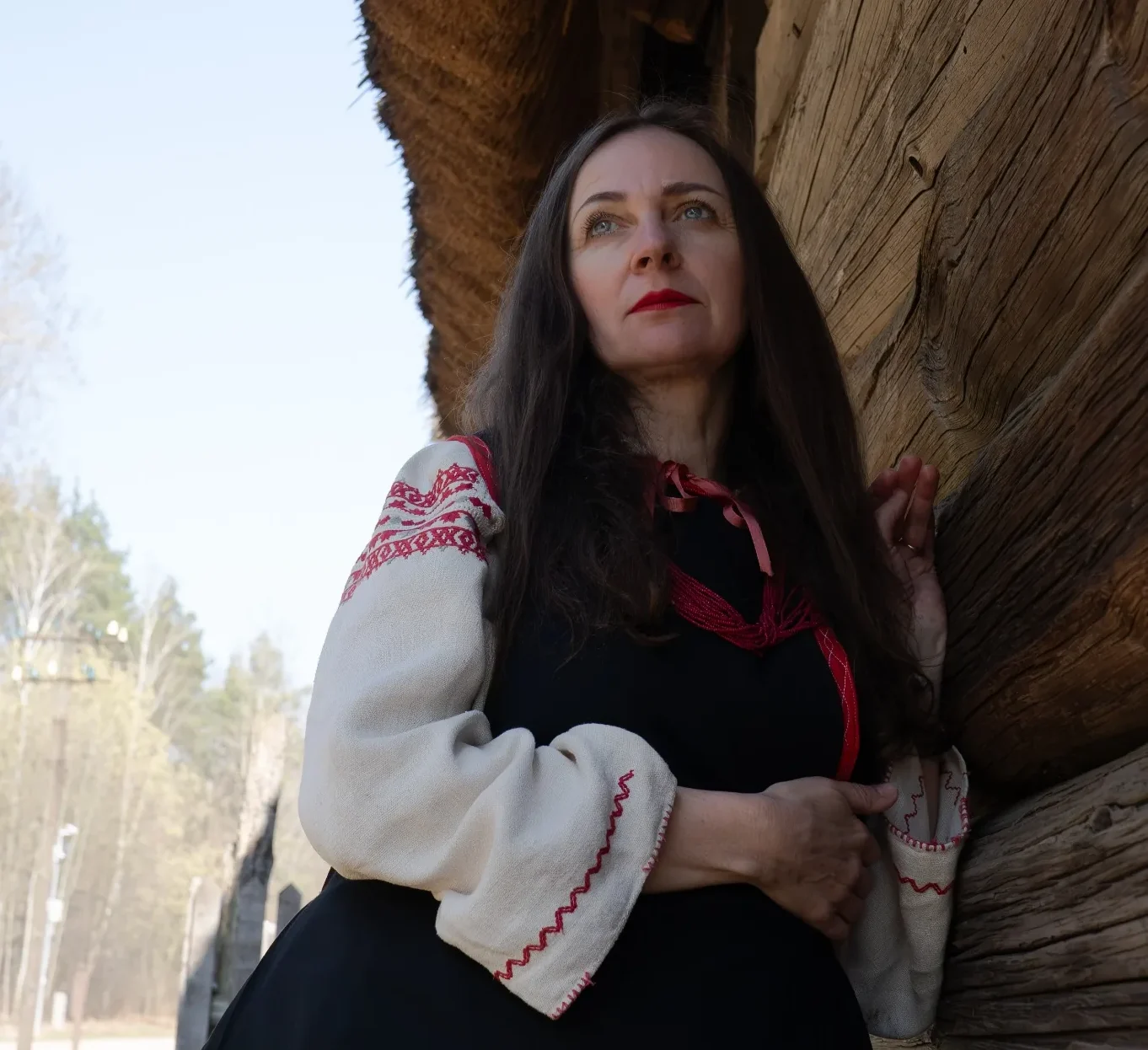
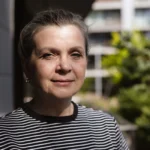
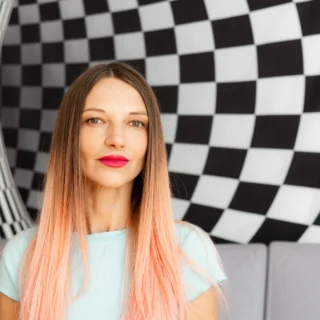
Larysa Shchyrakova. Photo: Politzek.me
Journalism in the Penal Colony
While in prison, Larysa read Viktor Frankl’s book «Man’s Search for Meaning». It made a deep impression on her.
«After reading that book, I adopted a rule for myself: FIND MEANING. It helped Frankl survive the concentration camps, and it helped me too. I didn’t view my time in the penal colony as wasted.»
Behind bars, she continued to observe, analyze, and explore the reality around her. Finding meaning in her surroundings became her way of preserving her identity.
«You know, it felt as though I was still practicing journalism. Sure, I couldn’t publish anything, but I was observing everything very closely. I was watching the penal system from the inside and thinking about what could be reformed.»
– Now, I have my own perspective. I can speak about this system as someone who experienced it from within. Currently, I am researching how such systems are studied and structured in Western countries, because ours undoubtedly needs to be reformed. It is incredibly archaic.
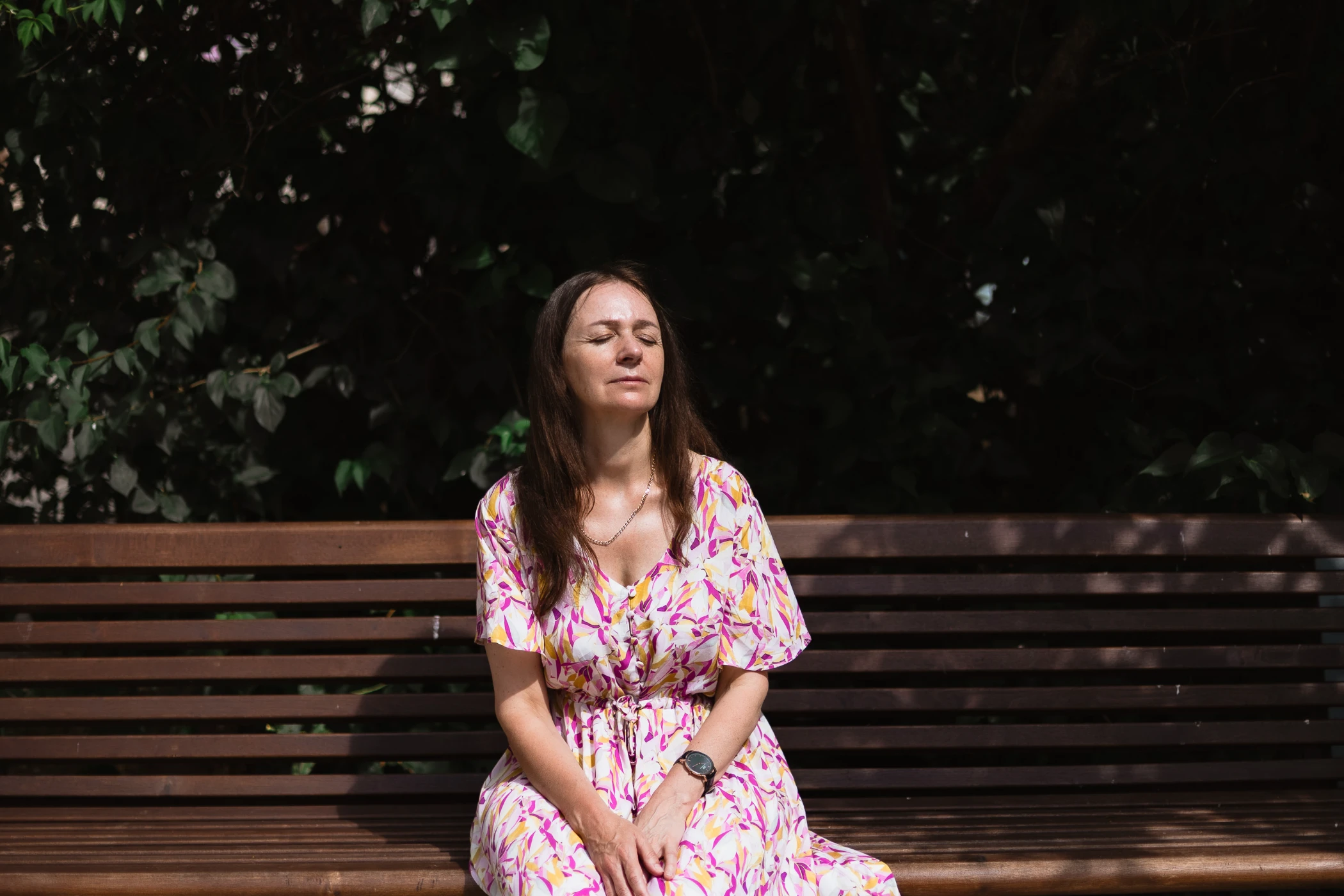
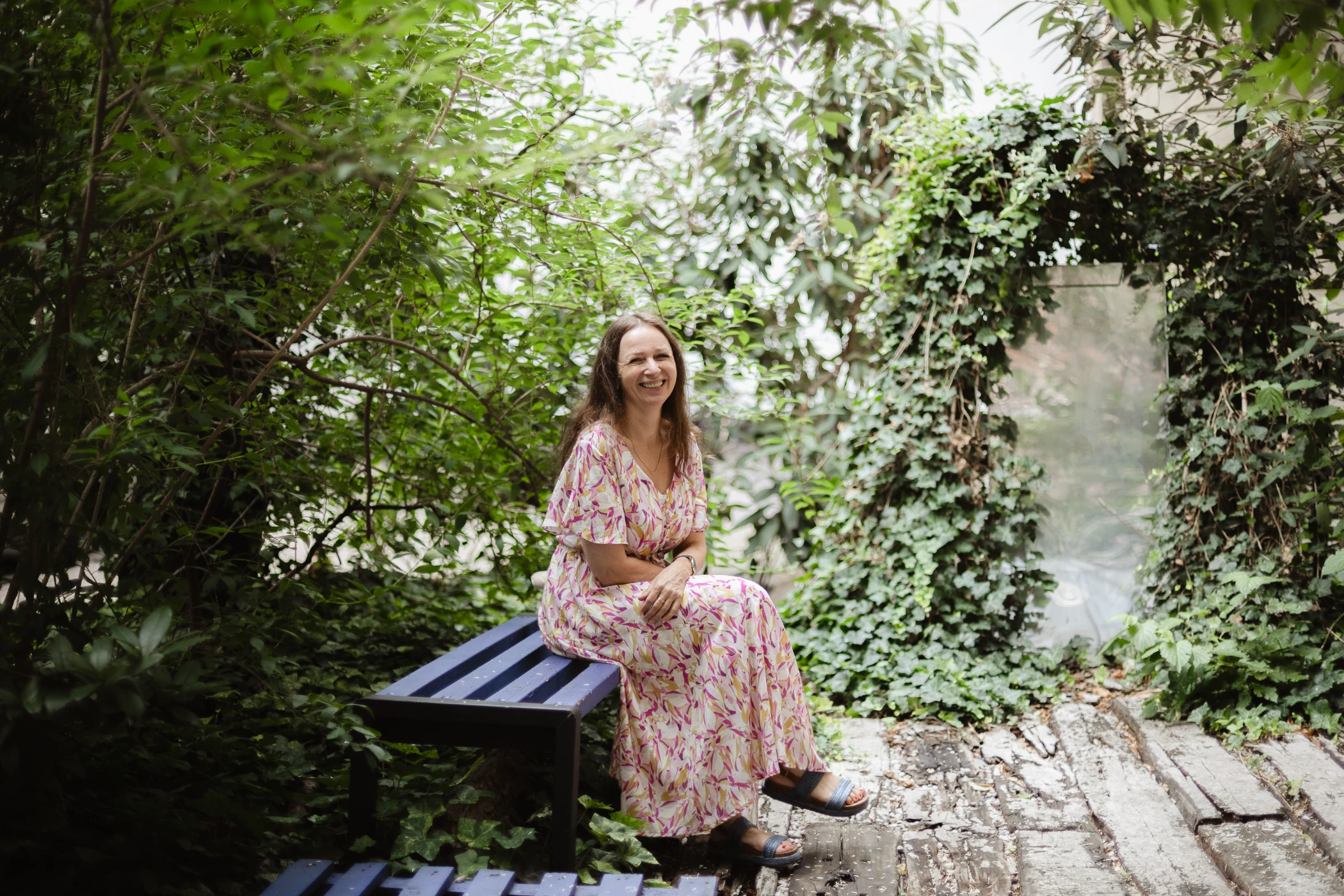
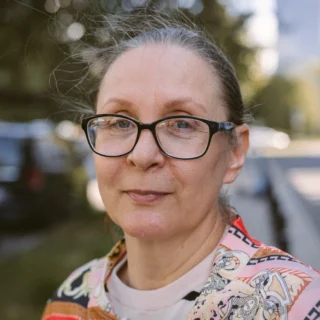
Larysa Shchyrakova. Photo: Politzek.me
Prison as a Mirror of Society
Larysa says there is little good to be found in prison. Yet this experience allowed her to see Belarusian reality in a highly concentrated form.
– While in prison, I read David Myers’s Social Psychology. I’ve been interested in psychology for a long time—before my arrest, I had even enrolled in a master’s program in the field. So for me, this experience became a kind of psychological experiment, a deep dive into the study of human behavior.
«It felt as though I had entered an environment where I could observe and analyze various social phenomena. And there were so many of them.»
Larysa speaks about how crucial it was for her to observe the social issues that drive people behind bars: alcoholism, domestic violence, orphanhood, poverty, and addiction.
– I saw firsthand the impact alcoholism has on society and human behavior. I spoke with many women and was astonished to realize just how widespread domestic violence actually is—when violence is simply an ordinary part of daily life…
Most of the women in the colony had faced various forms of violence, either in their childhood homes or in their own families. It is an extremely pervasive issue in our society when a man beats a woman, or when children grow up in an environment of endless violence.
Larysa also points to the so-called «obligated persons»—parents stripped of their parental rights who are forced by law to reimburse the state for the cost of raising their children.
– It’s just a vicious cycle. People cannot escape their debts and constantly wind up back in the system. In effect, they become perpetual slaves to it.
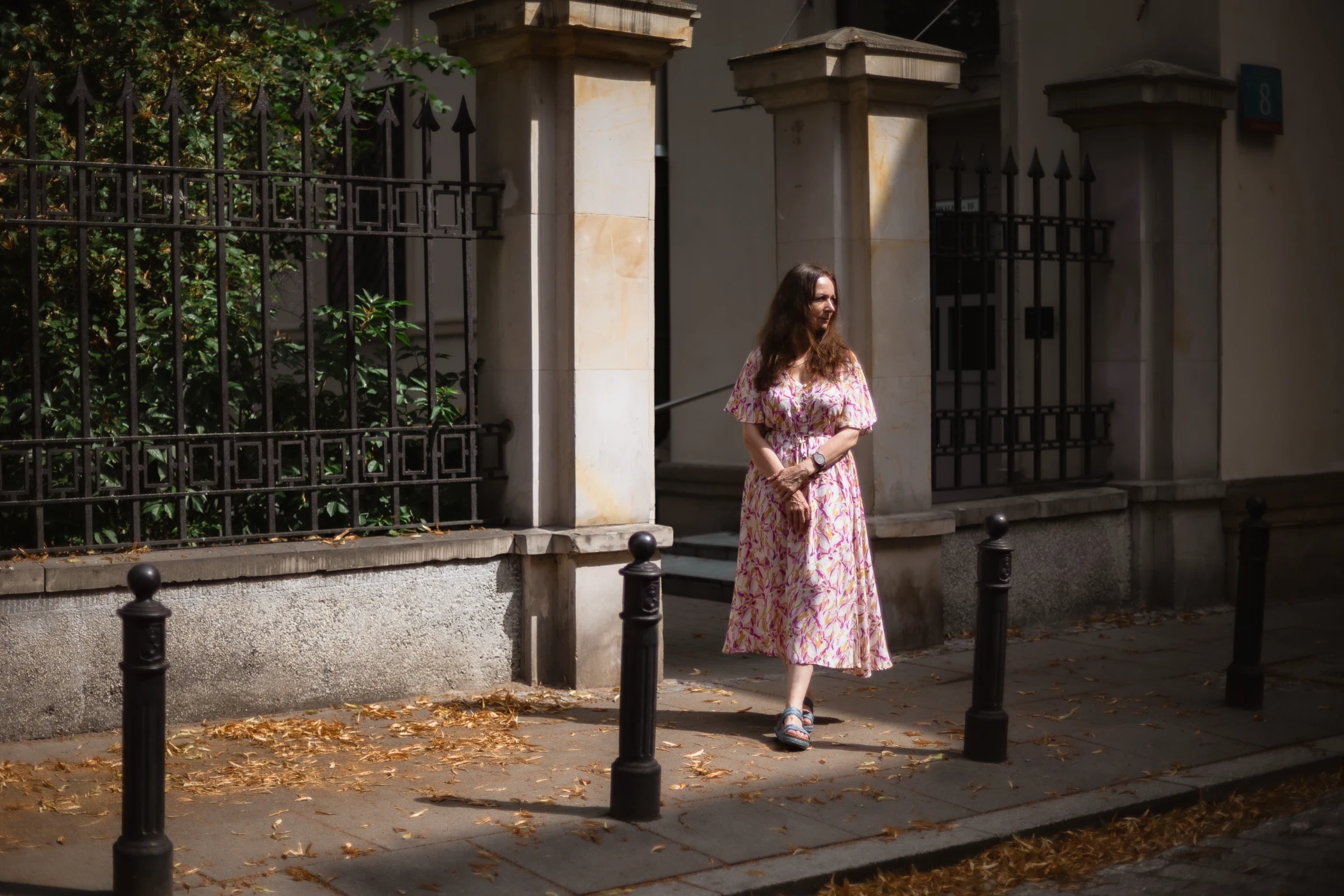
Larysa Shchyrakova. Photo: Politzek.me
«Uprooted from the soil where I belonged»
Larysa speaks of her hometown with particular warmth. She lived in Homiel her entire life.
– I miss Homiel. I miss my home, my friends, my father, and my dog.
«When the threat of losing the opportunity to live at home—to see my loved ones and friends—became real, I realized that I had actually been a fairly happy person. I had so much!»
I lived in a good home, I could walk my dog every day, and my parents and friends were nearby. All of it was truly wonderful. I had nothing to complain about. Sure, I had dreams and desires, but overall, life was good. I never intended to leave. I was just uprooted from the soil where I belonged.
Larysa views her life in Poland as a temporary and forced interlude.
«I don’t tie my future to this country. I don’t want to take root here. I am waiting for the moment when I can return home.»
When she was taken out of Belarus following her release, she viewed it not as liberation, but as a continuation of repression.
– It is a full-fledged punishment for me. And a total injustice. Under Belarusian law, there is no procedure that legally allows for such an expulsion. But it doesn’t surprise me—I know what a dictatorship is, and what an authoritarian regime entails.
Larysa Shchyrakova. Photo: Politzek.me
Currently, Larysa Shchyrakova is awaiting international protection. She has fallen under the Dublin Procedure because the political prisoners were initially brought to Lithuania, whereas she is applying for protection in Poland. A court hearing lies ahead, and Larysa could potentially face deportation to Lithuania.
«I’ve been waiting for this trial for quite some time, but I’m not worried about it. What will be, will be.»
– After they took us to Lithuania, I realized I didn’t want to live there because I don’t speak Lithuanian. In Poland, the language is much easier for me. Right now, I live in Białystok, go on ethnographic expeditions, and talk to people a lot.
* The Dublin Procedure is a European framework that determines which EU member state is responsible for examining a person’s application for international protection (asylum). Its primary principle is that the application must be processed by the first EU country the individual entered.
Feminity «on Pause»
Larysa says that during her imprisonment, she practically stopped taking care of her appearance. Her long hair, which people notice and often compliment, was simply something she decided not to cut.
«I kept my hair in a braid all the time and wore a kerchief. I consciously chose books and studies over worrying about my looks. It was as if I put my femininity on pause.»
Prison clothing, padded jackets, and heavy boots further took away any chance to look the way I wanted.
«I thought it was better to read a book or learn a foreign language than waste time on my hair. In those conditions, I didn’t feel like a woman. I knew I wouldn’t be able to like the way I looked anyway.»
Larysa Shchyrakova. Photo: Politzek.me
Life Like Walking Through a Minefield
Larysa recalls that one of the hardest trials was the relentless psychological tension.
– You live constantly as if walking through a minefield. In the colony, there are scores of rules, and violating any of them can draw a disciplinary infraction: improperly labeled food in the fridge, an «extra» pack of tea, a glass left «out of place.»
«The pretext for punishment could be any trivial thing. And you never know what might come back to hit you.»
Compounding this was a total lack of personal space.
– You are never alone! It’s a collective environment where everyone is in plain sight, and everyone talks about everyone else. It’s a pretty toxic atmosphere. There could be around eighty-five people in a unit, living packed tightly together. That creates intense emotional strain.
«To me, it was like being in an escape room or a fear chamber—where you never know which corner the next threat will come from.»
– You step into a room and immediately expect to be told you’ve done something wrong, with people coming at you with accusations right away. Wherever you go, there’s always the risk of breaking some petty rule. So you really do feel like you’re walking through a minefield.
Larysa Shchyrakova. Photo: Politzek.me
A Disciplinary Report for Six Candies
Larysa received care packages from her family and was able to buy items at the prison shop. But many women in the colony were deprived of even the most basic necessities.
«There were people who literally had nothing: no tea, no biscuits, no sugar. I helped some of them, despite the risk of punishment. I couldn’t walk past someone who had nothing. There were several women in the unit whom I helped regularly.»
Yet disciplinary penalties did not spare her either. One report was filed over six candies she attempted to bring to the work floor. As a result, she was stripped of visits with her relatives.
«If I weren’t a political prisoner, no one would have even batted an eye at that. For me, the visits with my loved ones were the most precious thing. Over two years, I only had two long-term visits.»
– My father came for short-term visits, which lasted less than four hours. I pleaded to have my care package privileges revoked instead of my visits, but no one listened to me.
* A disciplinary report (rapart) is an official written complaint or infraction report filed by a prison officer against an inmate. It typically alleges that the inmate violated the rules. The trigger can be anything: an undone button, an improperly made bed, a conversation between prisoners, a refusal to work, or simply guard malice. Even if the person is innocent, proving it to the administration is virtually impossible. Based on such a report, conditions are made harsher: inmates can be deprived of visits, parcels, or care packages, or sent to a punishment cell.
Larysa Shchyrakova. Photo: Politzek.me
Ethnophotography as a Way to Breathe
Larysa says that today she is not a political activist, but a photographer. Her great passion is ethnography. She recreates traditional Belarusian looks, photographs people in authentic folk costumes, and believes that the strength of Belarusian identity lies within them.
Larysa has been taking photos since childhood, a period she remembers as very good and happy.
– As a child, I wanted to become a writer, but later realized I wasn’t actually that good at writing. I dreamed of being an actress or a singer. I’ve always been drawn to creativity. I can’t draw, but I have a creative vision—I probably inherited it from my father. I see beauty and aesthetics. That’s why I do photography and video: I have a knack for feeling and creating a visual image.
«When I was twelve, my parents gave me a very expensive Zenit camera. At the time, it was one of the most prestigious Soviet brands. Even back then, I took photos, developed the film myself, and printed the pictures. Naturally, I dreamed of photography.»
Photo from Larysa Shchyrakova’s archive
Before 2020, Larysa had two dreams. And she realized both of them!
– My first dream was to learn to sing in key. Pitch was always a problem for me, yet I absolutely love to sing. Just love, love it so much! I often found myself in the company of professional musicians, and they’d point out that I was singing off-key. It upset me. So I started taking vocal lessons with two teachers. One taught me classical singing, and the other taught pop. Another dream was to learn to play the guitar. I studied with a tutor for that, too. I wouldn’t call myself a great guitarist, but now I can play my favorite romances and a few favorite songs.
One of Larysa’s favorite folk songs is Drobna Drabnitsa («Tiny Little Drops»). It was recorded by Yauhim Ramanau in Davyd-Haradok, the region her ancestors came from. Larysa says she feels closest to peasant culture.
«These are my roots. I feel comfortable in this culture, and I love singing our songs. It’s not an obligation; it’s a passion.»
Despite her efforts, Larysa hasn’t yet managed to make a living from photo sessions.
– There are very few clients; people aren’t really signing up for photo shoots. But I’m certain that if you truly want something, you will achieve it. I just need to put in more work: deliver higher quality shoots, promote my services better, run ads on Instagram, and spread the word in Belarusian communities across different cities. To be honest, I’m just not investing enough into it yet.
Larysa is 53 years old. She looks wonderful and fit. She says the secret is simple: a healthy lifestyle and the genes of long-livers—her father, at 91, is an active internet user.
«At first, it was hard to see an «old lady» in the mirror after the colony. But now I’m at the stage of acceptance. In my soul, there is still a child who wants to enjoy life, hike in the mountains, and see the sea.»
Larysa dreams of returning to Homiel, traveling to Italy, and continuing to capture Belarusian beauty. For now, she is learning to live anew, saving every penny in exile, and holding on to the hope that her «drawn-out quest» will one day end with a return home.
Larysa Shchyrakova. Photo: Politzek.me
You can make a donation to the former political prisoner right now – here. Your support will help Larysa Shchyrakova cover living expenses and feel more financially secure while awaiting the court’s decision.
This is just one piece of the puzzle of unique stories of Belarusian women and men. We introduce you to former political prisoners—ordinary people who simply dared to be themselves during a challenging time in history. The era of political prisoners.
We permit full or partial republication of our texts and the use of our visuals. An active, direct hyperlink to the original page is mandatory and must be placed at the beginning of the republished text or social media post. Proper credit to the authors of all photo and video materials is strictly required.