«I Followed in My Grandmother’s Footsteps»: The Story of Natalia Malets
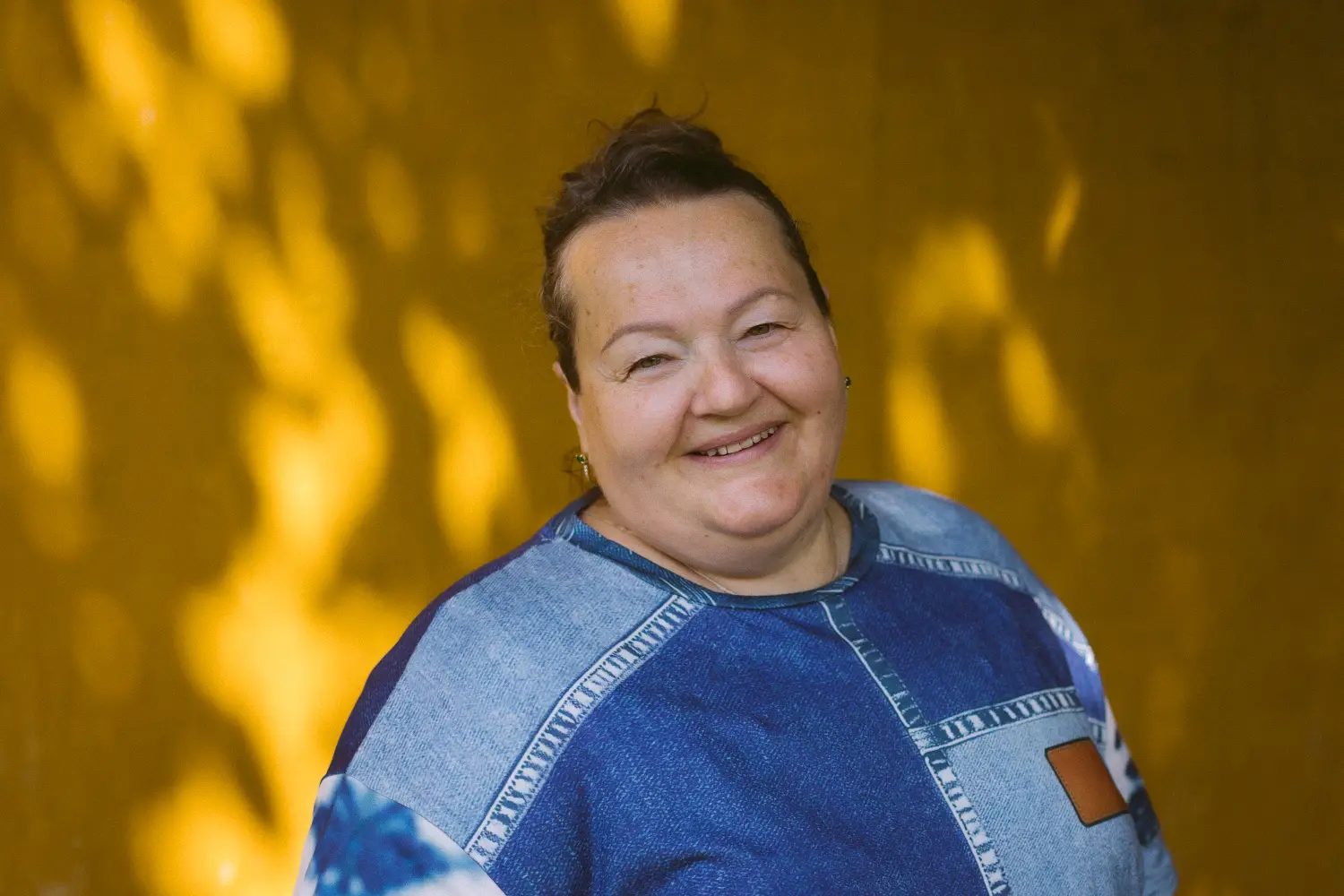
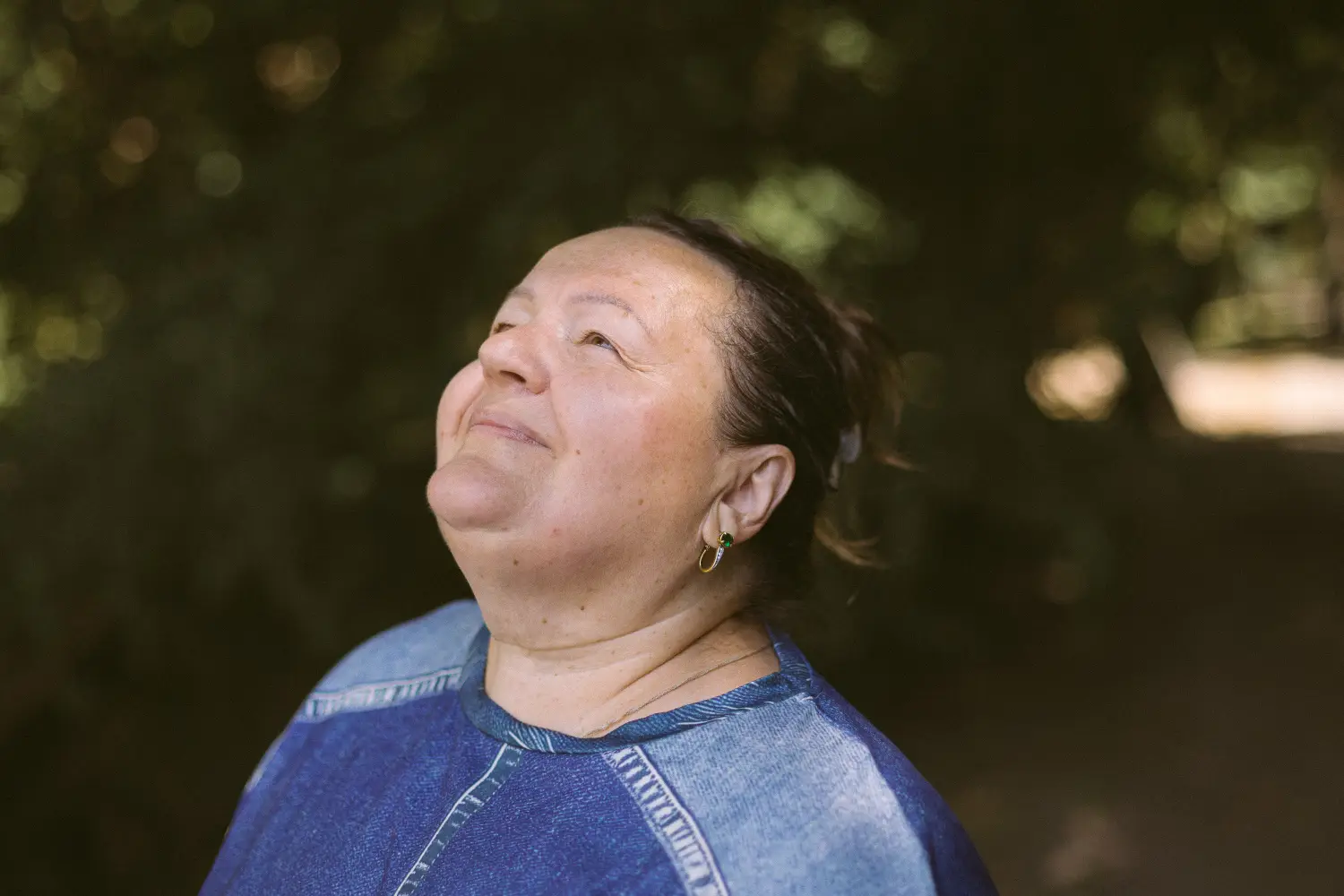
This is the story of Natalia Malets, a former political prisoner sent to a penal colony for her kindness and compassion. Out of her modest pension, she transferred money to the accounts of over a hundred political prisoners. Some of them she would later meet inside the women’s colony. Now 65, Natalia is a refugee. We spoke with her about how she is adjusting to her new life in Poland.
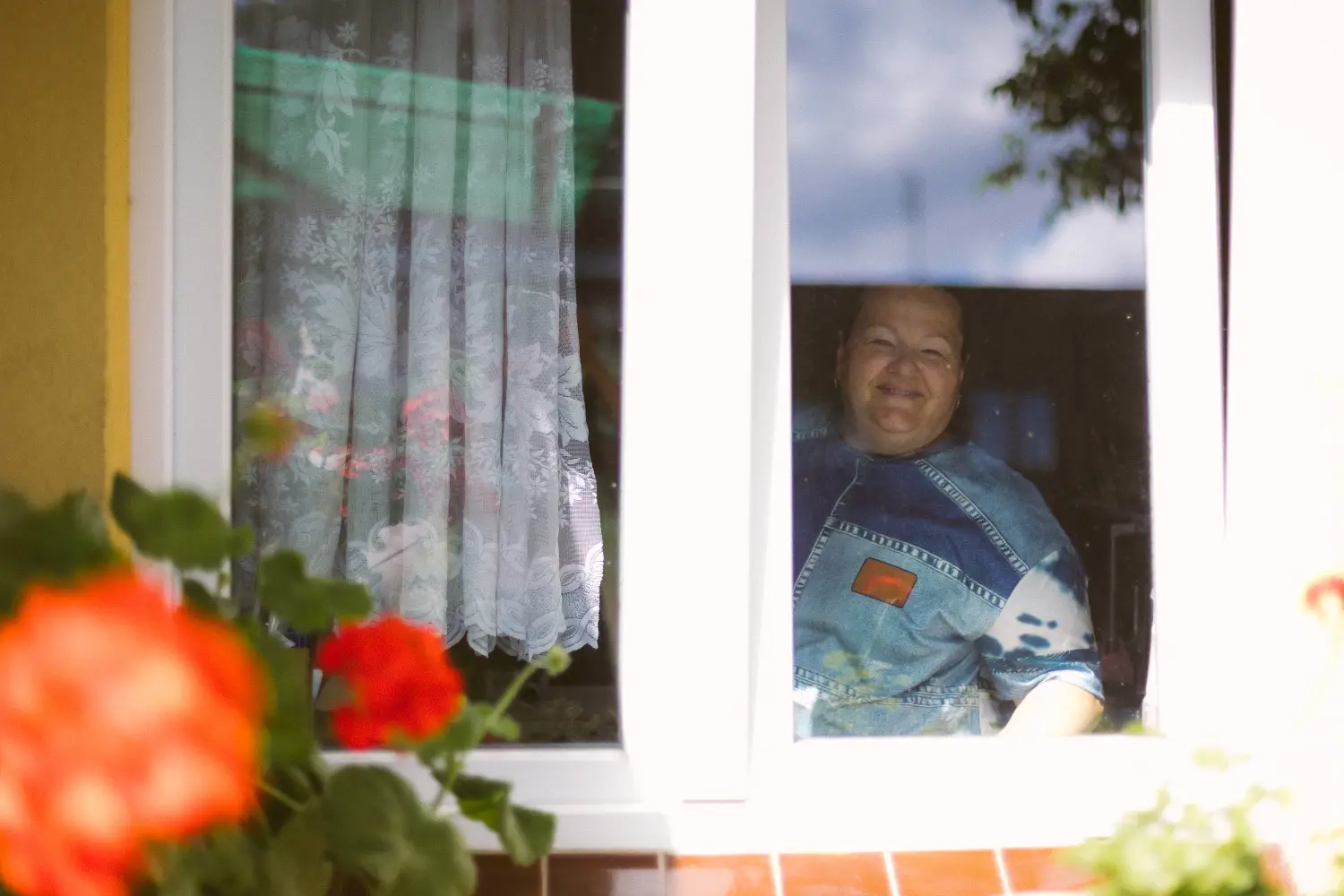
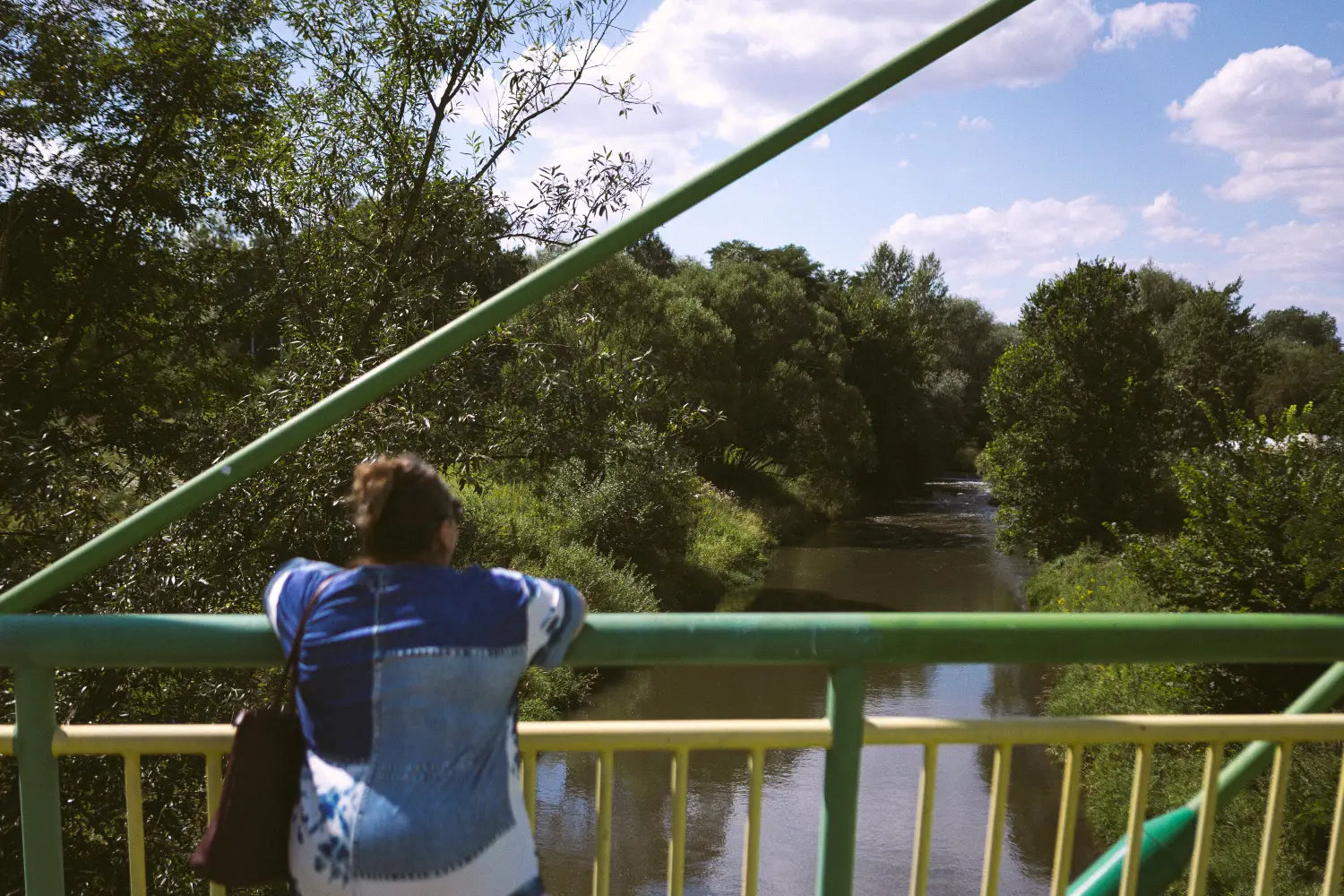
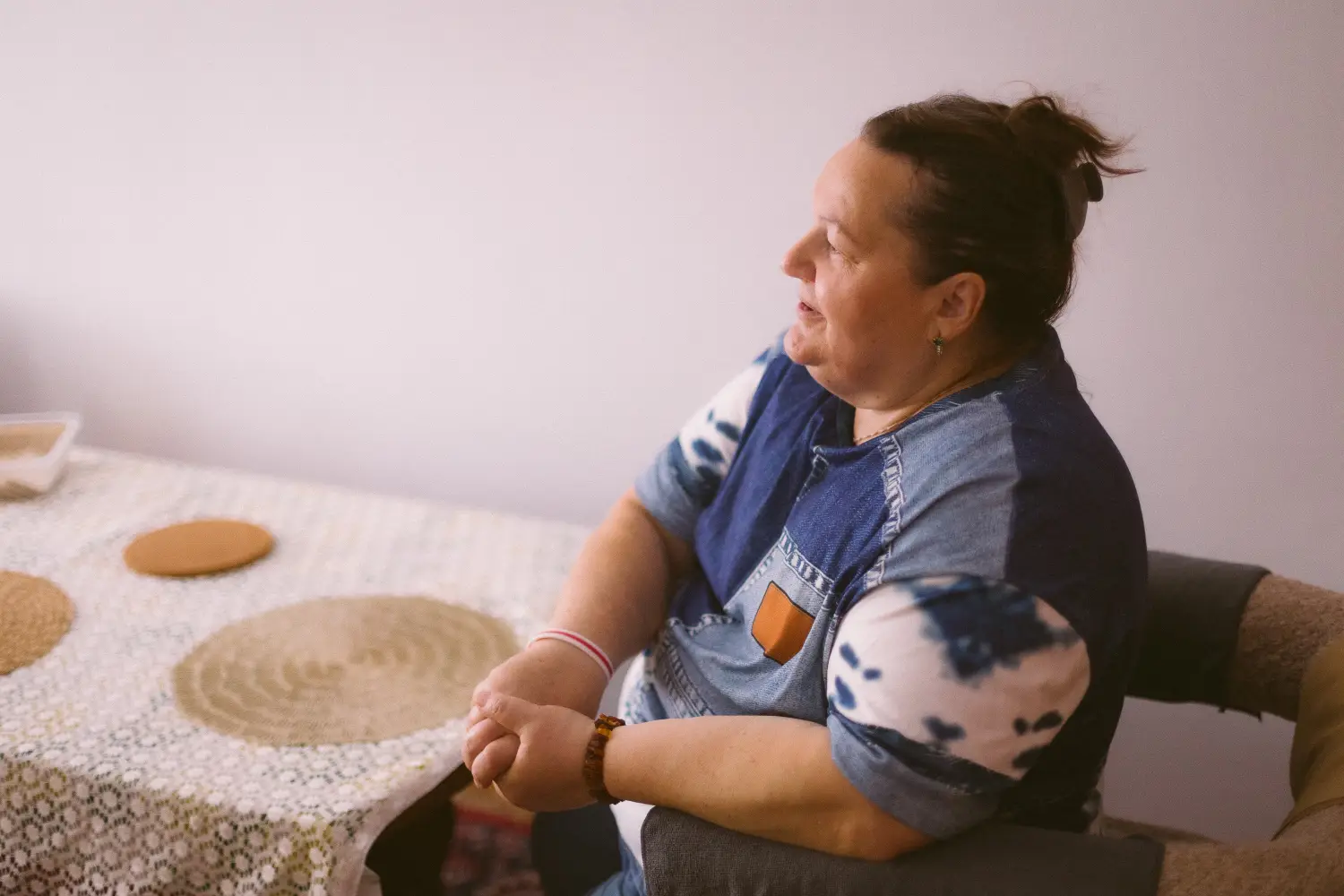
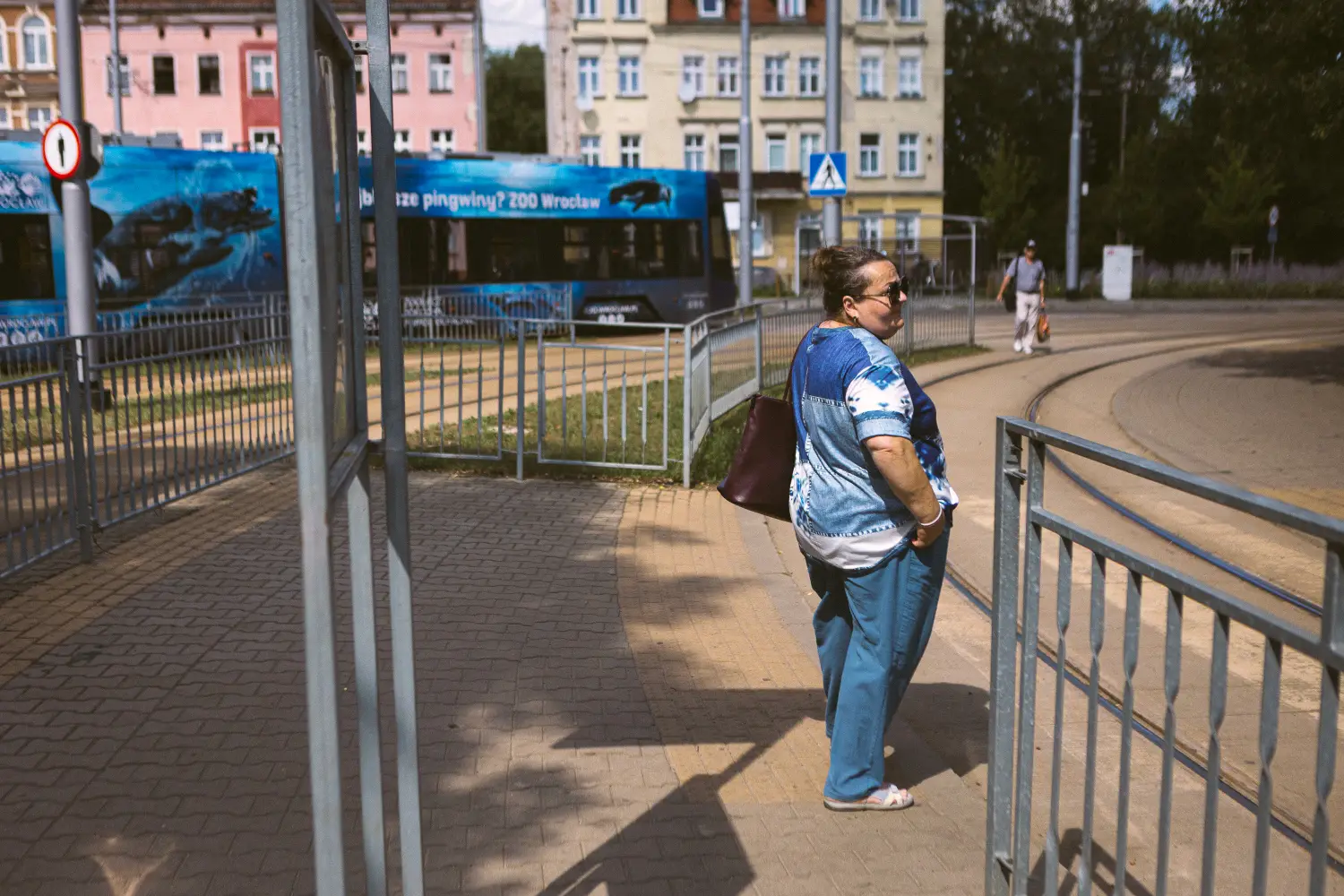
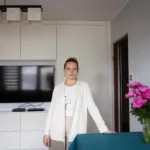
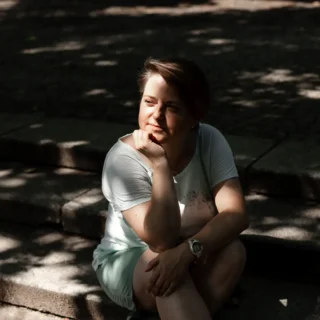
Natalia Malets. Photo: Politzek.me
Natalia Malets was tried twice. The first time, in 2022, she was sentenced to a year and a half of restricted freedom without confinement—a non-custodial sentence locally known as «home chemistry»—for «insulting a public official.»
Then, in 2023, Natalia was also charged with «financing extremist activity.» She was put on trial for making 125 money transfers to 114 political prisoners out of her own pension. The total amount of her «crime» came to roughly 420 euros. She was also accused of participating in a Facebook group called «Solidarity Letters Belarus 2020,» which the authorities had designated as an «extremist formation.»
Following a lengthy investigation, Natalia was sentenced in 2024 to three and a half years in a penal colony. On December 13, 2025, she was deported from Belarus alongside a group of political prisoners.
* «Home chemistry» is a form of punishment in Belarus where the convict remains at home, but their freedom of movement is severely restricted. They are prohibited from leaving home in the evenings and on weekends, alcohol is strictly forbidden, and they are subject to constant supervision, spot checks, and mandatory employment. Even visiting a doctor requires official permission from the police.
Not left—forcibly thrown out
Natalia corrects people every time the subject of leaving Belarus comes up. On forms asking for the reason for her departure, she always writes: «I was forcibly deported from the country.»
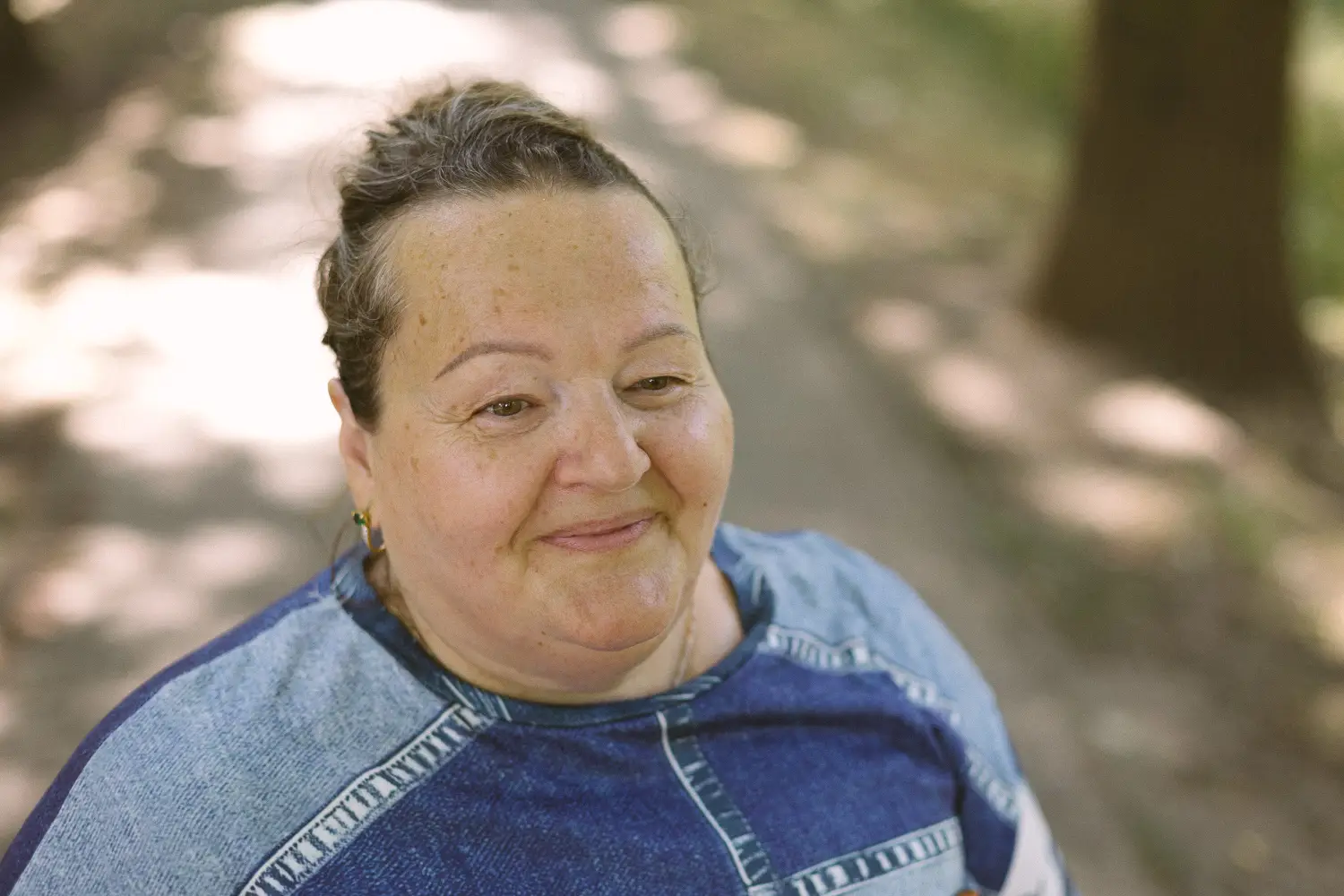
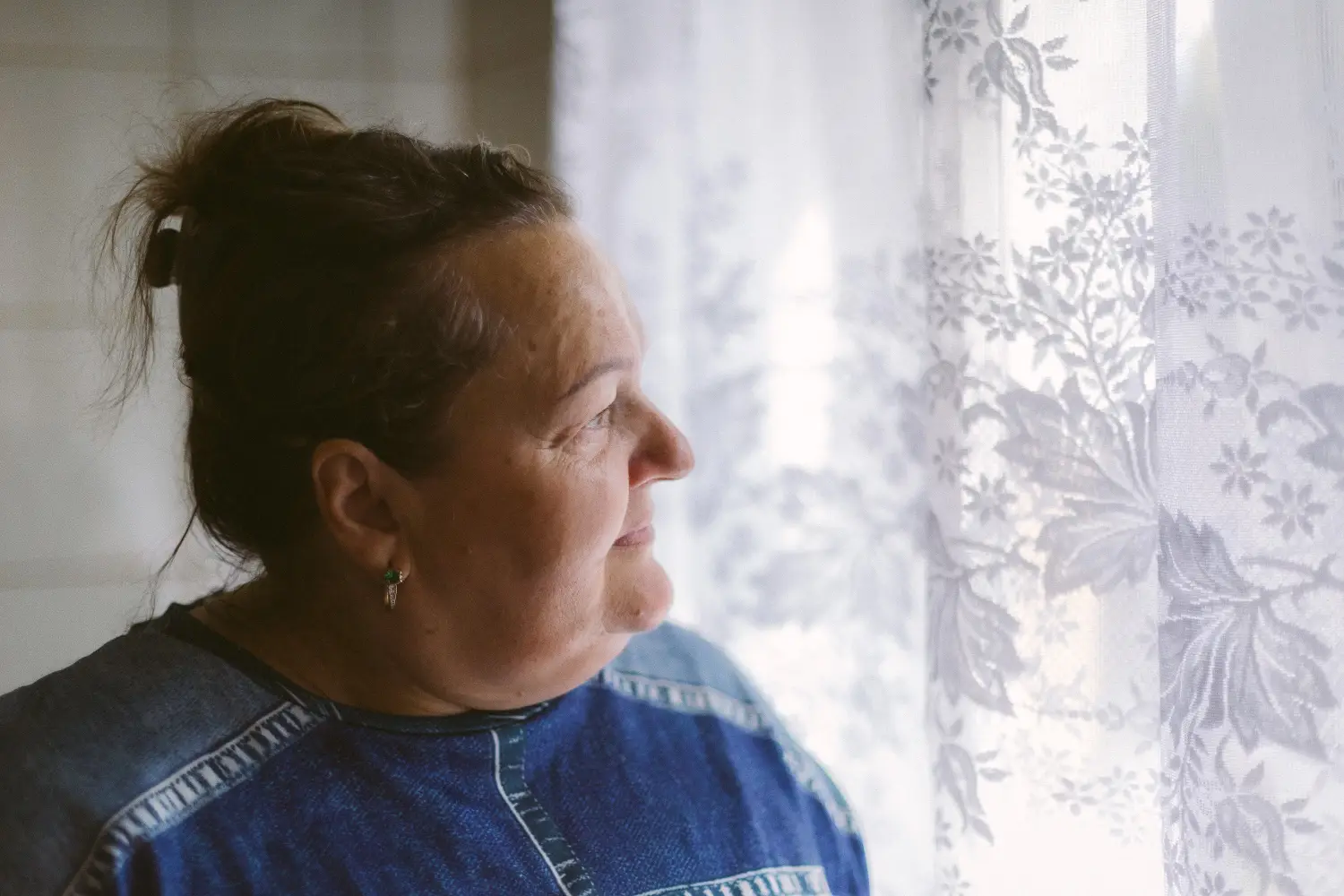
Natalia Malets. Photo: Politzek.me
For our heroine, this distinction is fundamental. She never planned to emigrate, never chose a destination country, and never packed her bags in advance.
«I keep insisting: I didn’t leave Belarus. I was simply tossed into another country—thrown out, expelled, call it what you will. Deported. And I was 65 years old.»
* International lawyers regard the deportation or forced expulsion of a country’s own citizens as a gross violation of human rights. Deportees are often deprived of the opportunity to return, and their documents and passports are revoked.
Natalia Malets is included on the «list of extremists,» which is why the Belarusian authorities stripped her of her pension following her deportation.
– From the moment I crossed the border, all payments were stopped. In any case, my pension payments have been suspended. Where my money is now and how to access it remains unknown.
* Belarus’s «list of extremists» is an official register maintained by the Ministry of Internal Affairs of citizens and organizations alleged to be involved in extremist activity. Belarusian courts routinely add government opponents, human rights defenders, and political prisoners to this list. Those listed have their bank accounts frozen and all financial transactions strictly monitored.
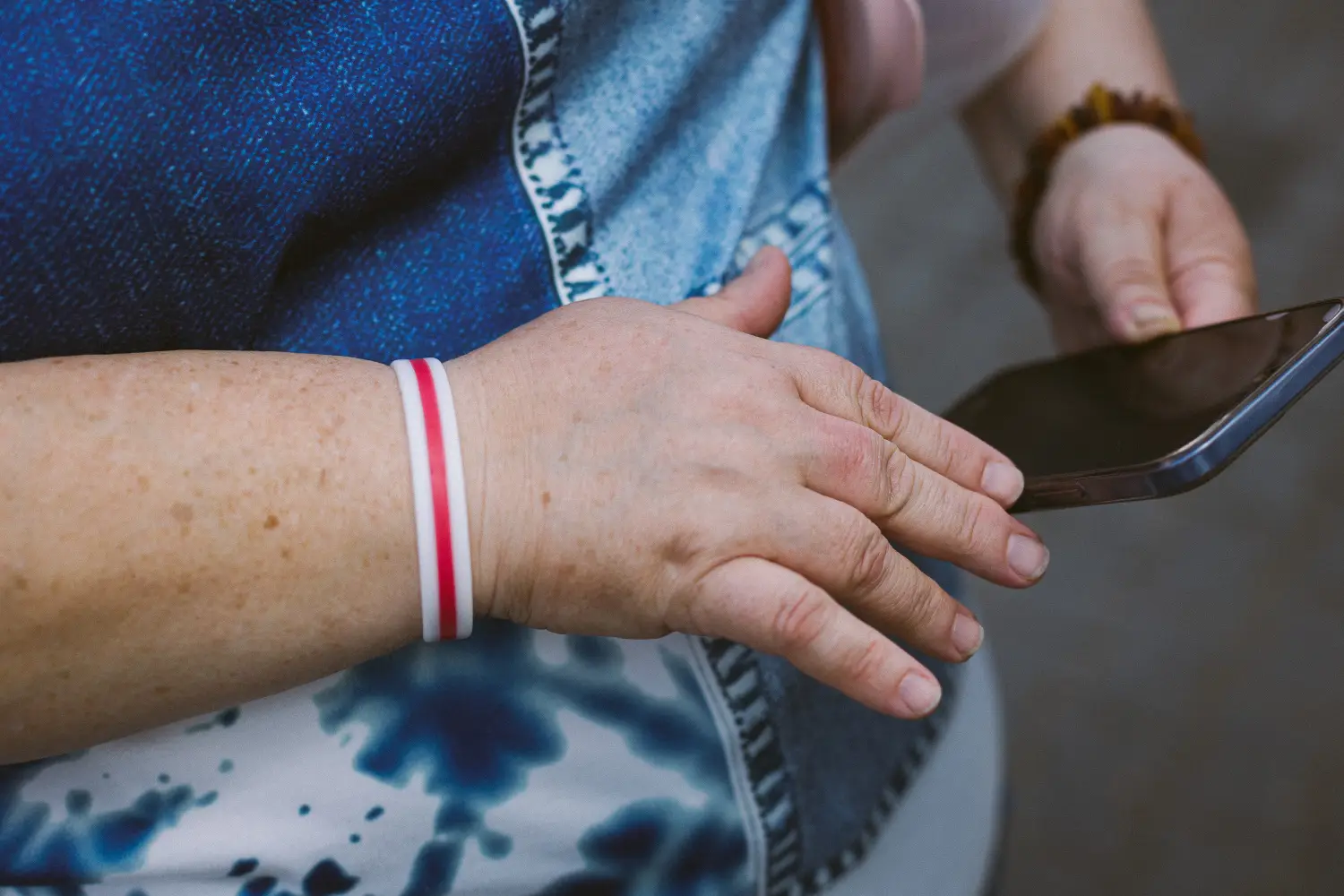
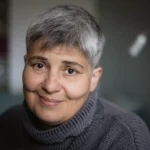
Natalia Malets. Photo: Politzek.me
Natalia is brimming with plans and ready to work. She worked in education for a long time—first as a primary school teacher in Brest, and later spent fourteen years at the Academy of Administration. In 2020, during the protests, Natalia Malets refused to lead faculty members to rallies in support of Alexander Lukashenko. For this, she was dismissed before her contract expired, and a note was added to her official employment reference stating that she «did not support the actions of law enforcement agencies in 2020.»
However, age, learning a new language, and health issues make job searching quite challenging today.
She notes that she could tutor children from Belarusian or Ukrainian families.
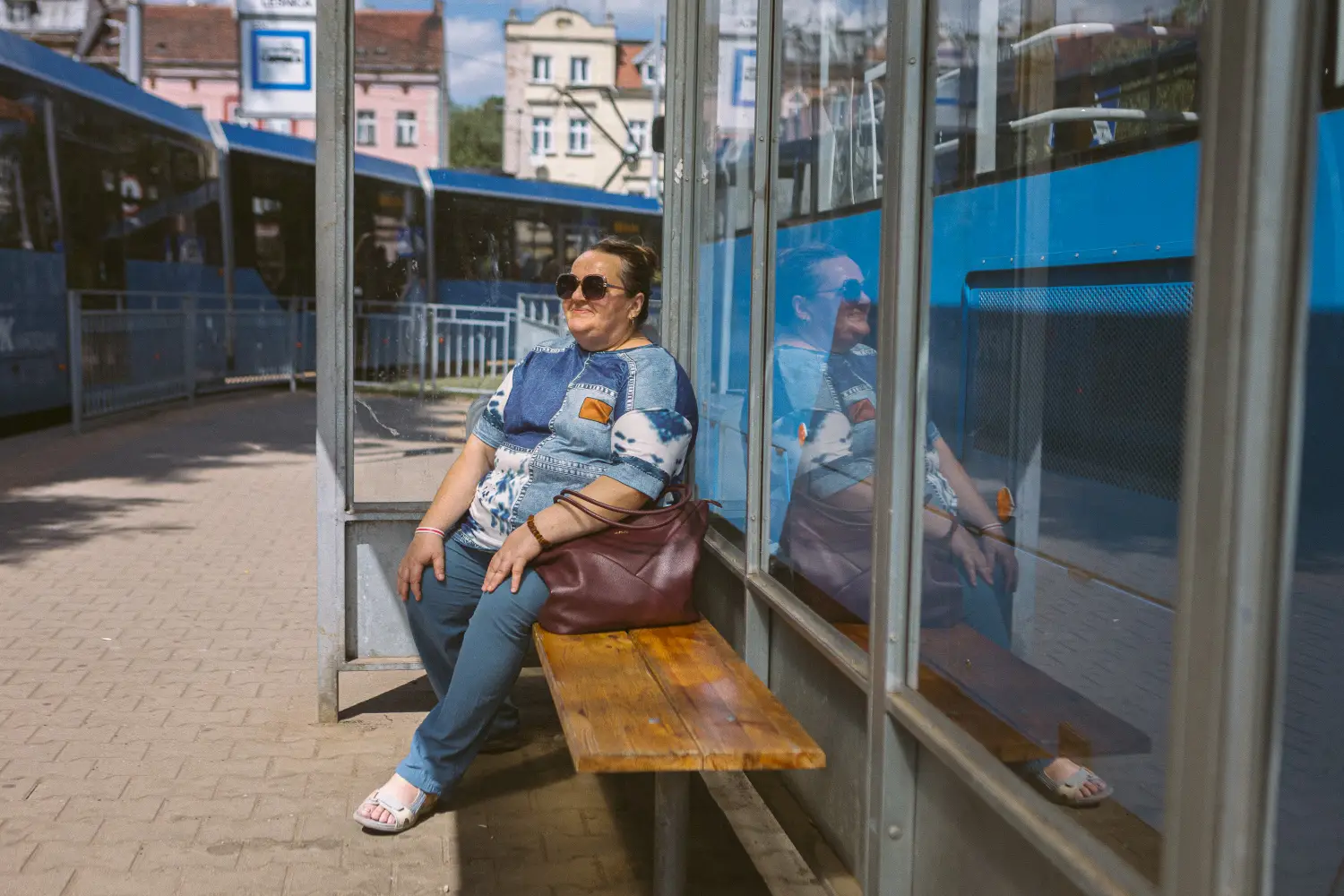
Natallia is available to work as a nanny or a private cook. You can contact her about job opportunities on Facebook. Photo: Politzek.me
– I wouldn’t venture to work with very young children, – Natalia says. – But I could certainly tutor older kids who are already able to communicate. Of course, I really want to find a job, but it has to be manageable—both in terms of my strength and my capabilities.
Natalia has set herself a deadline: January 2027. By then, she expects to be working, and she is taking many steps on her own to make that happen.
«When You Don’t Know the Language, It Feels Like Walking Around Naked»
One of the main challenges is the Polish language.
– When you don’t know the language, you don’t feel confident in any country, – Natalia says. – It’s just this feeling as if you’re walking around naked.
Natalia notes, however, that people in Poland are generally very friendly and welcoming.
«Once, I was talking to a Polish woman and explained that I was from Belarus and didn’t speak Polish well. She replied that knowing the language didn’t matter—only what is in your heart does.»
– I am deeply grateful to the Polish people I meet, whether through chance encounters or brief conversations. They treat me with great kindness.
«I think I’m doing fine»
– It’s hard for me to say how I’m feeling today. I think I’m doing fine, good even. I suppose what helps is that after my release, I ended up with a wonderful family.
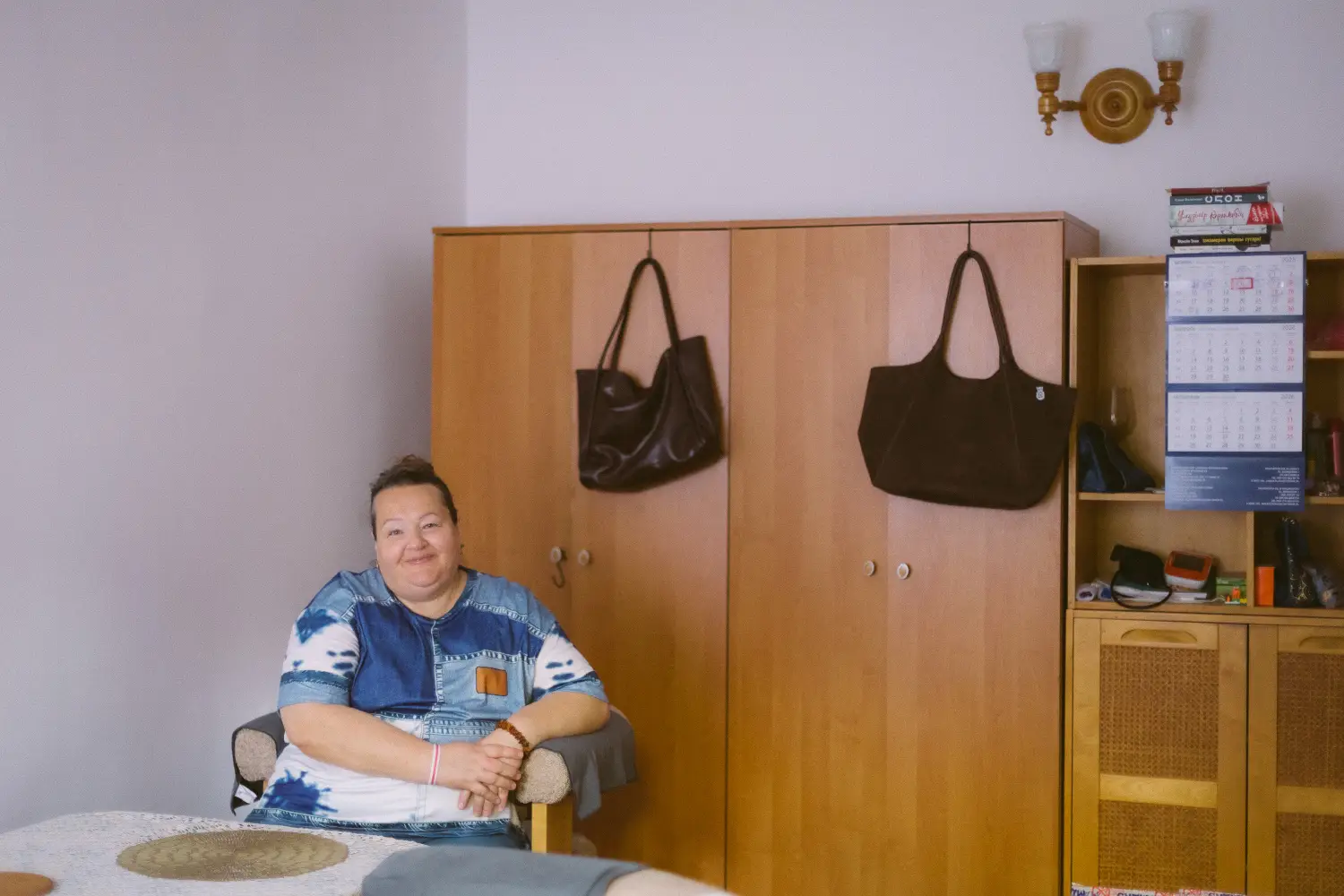
Natalia lives in Wrocław, in a private house with an elderly Polish couple. Photo: Politzek.me
Natalia rents a room from an older Polish couple. She often talks to them about politics and history.
– We have so much in common, so many overlapping points in our lives! They are interested in politics and truly understand what is happening in Belarus. They don’t just try to understand my Polish—they guide me and correct my mistakes. So for me, talking with them is also great language practice.
Since gaining her freedom, many things have happened: getting her legal status sorted, meeting new people, and making trips to Warsaw. Natalia also speaks of a medical program that allowed her to get dental work done and address other health issues.
– Back in Belarus, when I was under house arrest, I was in a low place mentally, – Natalia says. – I got a notebook and decided to start writing down my dreams and wishes.
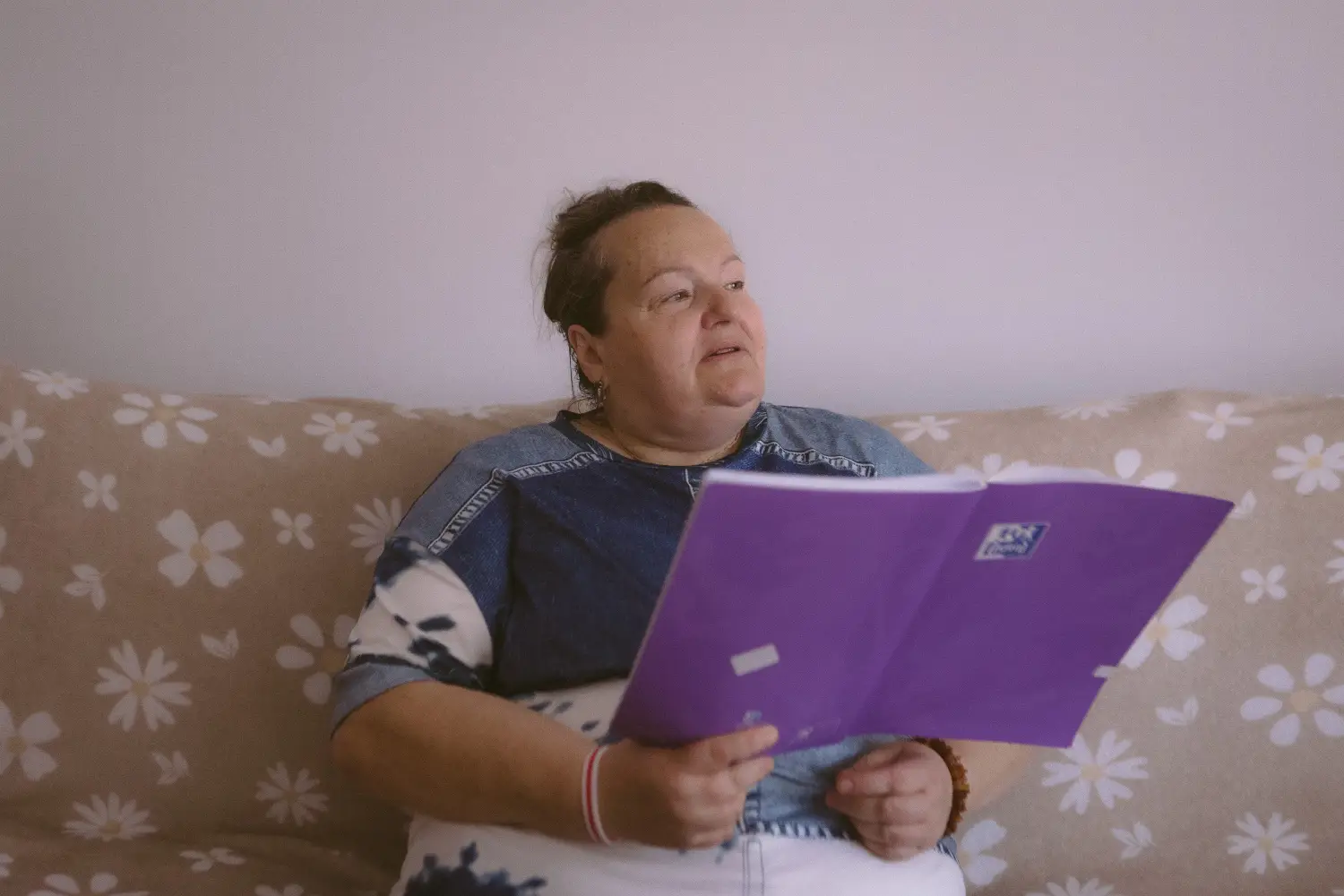
Natalia started a similar notebook for her wishes and dreams while serving home confinement. Now she has a new notebook in her favorite color. Photo: Politzek.me
In that notebook, Natalia had written down her goals: keep a set schedule—go to bed and wake up at the same time; eat a healthy breakfast; and start learning a foreign language. She laughs, noting that all of it came true—though not quite the way she had envisioned.
– I ended up in a penal colony—and suddenly I had a strict daily schedule, with healthy porridge for breakfast. And now I’m learning a foreign language in exile. So you’d better write down your thoughts carefully in a notebook like that!
In Wrocław, Natalia started a new notebook—in her favorite color.
An Entire Life Left Behind in Belarus
It turned out that some things are hard to replace: favorite clothes, shoes, kitchenware, and the small everyday items you get attached to over decades. In Belarus, Natalia left her entire life behind.
«It might seem like something trivial, something you didn’t pay much attention to before, but then you realize just how much you actually need those things. Now I literally have to buy everything all over again. But often that’s just not possible—it’s too expensive.»
– I am deeply grateful to the people who helped us, the political prisoners deported to Poland. I’m thankful for the clothes, the essential items, and the financial support. Right now, I’m trying to rebuild the life I was used to here, but of course, that’s just impossible.
The most painful loss is intangible: for Natalia, it is the inability to visit the graves of her loved ones. Now, her brother is the one who goes to their family resting places.
«It’s so hard when you can’t visit your parents’ graves. Or your grandparents’. And I still feel this sense of guilt—after all, they remained there, and it’s as if I abandoned them.»
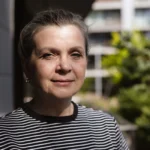
Natalia Malets. Photo: Politzek.me
Imprisoned for Solidarity
– You read what people are put in prison for and just clutch your head in disbelief. I still feel as though Belarusian history has turned back a hundred years, repeating what has already passed.
«Who could have ever thought that solidarity would become a crime?»
To me, solidarity is woven from a whole range of emotions. It is fear, horror, pity, a sense of guilt, confusion, and a desire to help.
«You know, I didn’t send packages to people—I sent letters and money transfers so that political prisoners could buy whatever they needed for themselves.»
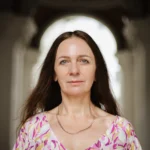
Natalia Malets. Photo: Politzek.me
Natalia Malets had been helping political prisoners—including Marfa Rabkova, Maryna Zolotava, Liudmila Chekina, and other Belarusian women whom she later met in the women’s penal colony.
«I used to tell them: «Girls, we aren’t forgotten, people know about us, everyone is talking about us.» I believed it, but I had no idea of the true scale of that support!»
It turned out that artist Volha Yakubouskaya had drawn her as one of her signature Belarusian cats. Natalia also discovered that she had a symbolic godmother—Ksenia, who had been sharing Natalia’s story on TikTok. When they finally met, Natalia received a huge gift box filled with souvenirs brought specifically for her from all over the world.
– In Warsaw, I was met by Larysa. We’d gotten to know each other before my arrest, but we’d never met in person because we only knew each other through social media. It was Larysa who came to meet my bus. And my students tracked me down, too. They helped me so much! I really didn’t expect so many people to find me here!
Prison reveals who you are
– Prison doesn’t make a person bitter. A penal colony simply reveals who you truly are deep down. There, you’re stripped of everything that used to define your status.
«It doesn’t matter who you were, where you worked, how much money you had, what kind of house you owned, or what connections you had. The only thing that remains is how you treat others.»
Natalia Malets. Photo: Politzek.me
– If you bend, you get crushed into the dirt. If you don’t bend, you get treated completely differently. You are constantly tested there—by other prisoners, the guards, the administration. Everyone wants to see: how far you are willing to compromise? How bendable are you?
Natalia knows people who refused to let prison get inside them—people who remained true to themselves and tried to avoid conflicts.
«Prison brings two possible outcomes: either you grow stronger, or you break as a person.»
Friendship is more than love
In the colony, Natalia met people who became her close friends—as well as others who disappointed her.
«As for me, friendship is a 24/7 commitment. And while some might disagree, to me, friendship is even bigger than love.»
– Many people I considered close vanished from my life right after my arrest. And most often, it was the ones I least expected it from. But others came to take their place. Now I have many good friends whom I met through the colony.
«I keep thinking about the women who are still IN THERE»
– You know, now that I’m free, it hurts to see people fighting over petty things and comparing themselves: «Look, he’s got more, and I’ve got less.»
Natalia speaks about this with deep pain. She constantly compares her life with the lives of those who remain in the colony.
«I just can’t move past it. Once in the colony, I told Ira Zlobina that I’d be at peace if all the women were released and I was the last one left. As if I were turning off the lights and locking the door behind me. Ira replied: «Me too».»
– Now I keep thinking about those who are still in there. I desperately want someone to just pass a message to them: «Girls, EVERYONE remembers you. EVERYONE is talking about you.» Just so they know they haven’t been forgotten!
Natalia Malets. Photo: Politzek.me
The hardest part is the feeling of helplessness
Natalia describes how difficult it is to be sick in the colony. To be allowed to just lie down for a few hours, you need a serious medical reason.
«You have to be at death’s door to get proper medical care there.»
– I once had a severe case of pneumonia and ended up in the infirmary. But even when people were sick, forced to stay on their feet with high blood pressure or other health issues, they were rarely allowed to just lie down.
«I don’t blame the doctors. I’d even say the doctors there are decent people. But they have their own bosses and their own regulations.»
Natalia opens up about what hurt her most: how the unit staff treated prisoners, especially elderly women. She recalls one of the inmate orderlies who hated senior citizens, spoke to them with rude arrogance, and turned the administration against older women.
«It wasn’t hard for me personally, because I knew how to tune it out. But watching it happen, I could see the sheer stupidity and meanness of it all.»
The hardest part was the feeling of helplessness. The feeling of being unable to protect others.
Natalia Malets. Photo: Politzek.me
«I want to go back home»
Natalia has a big dream: she wants to just return home one day, the way anyone comes back after a trip.
«I want to go back to Belarus. To Brest. To Minsk. I want to see a different Belarus—a country with fair laws and decent people.»
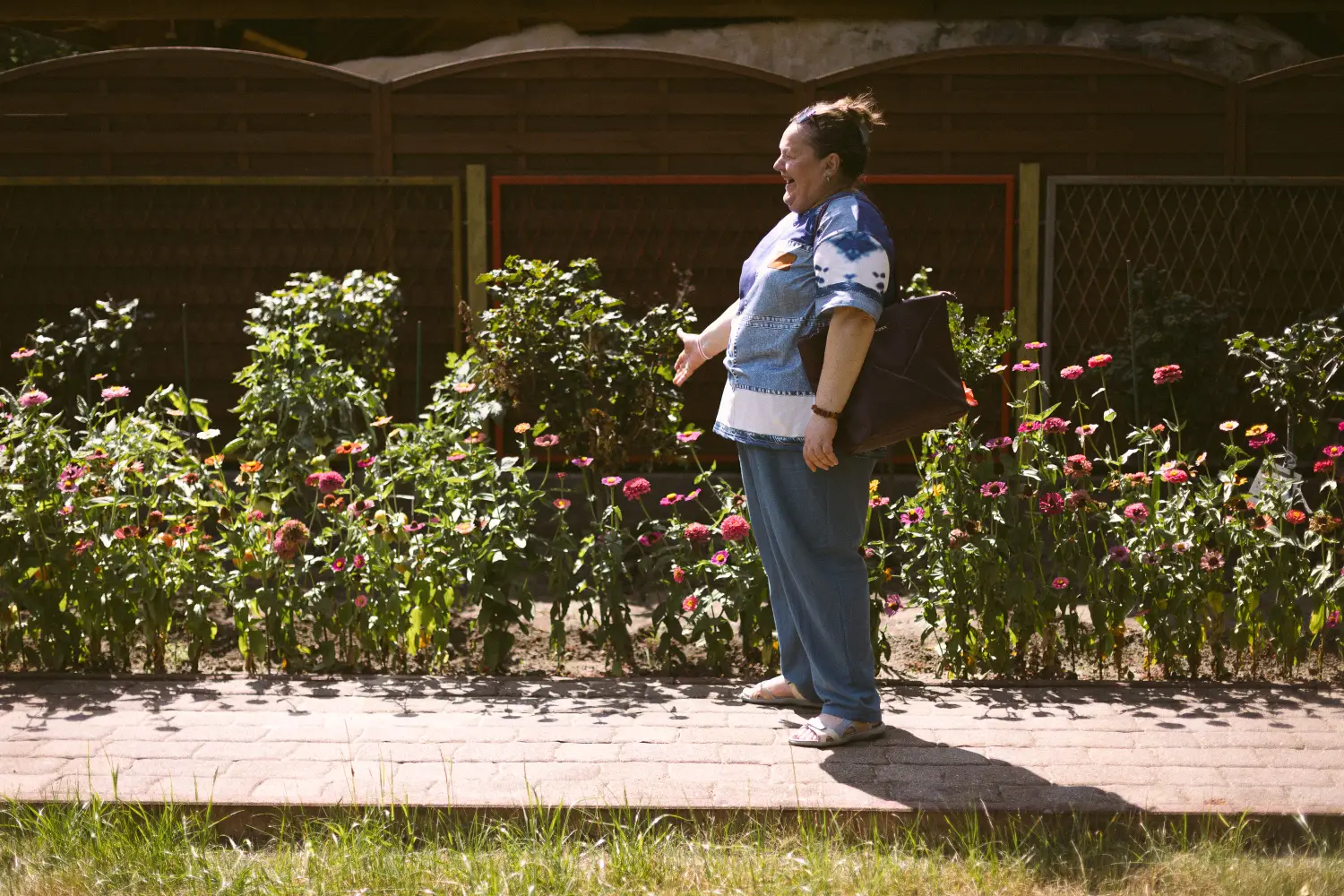
Natalia now lives in a private house in Wrocław. She says her days are full and meaningful.
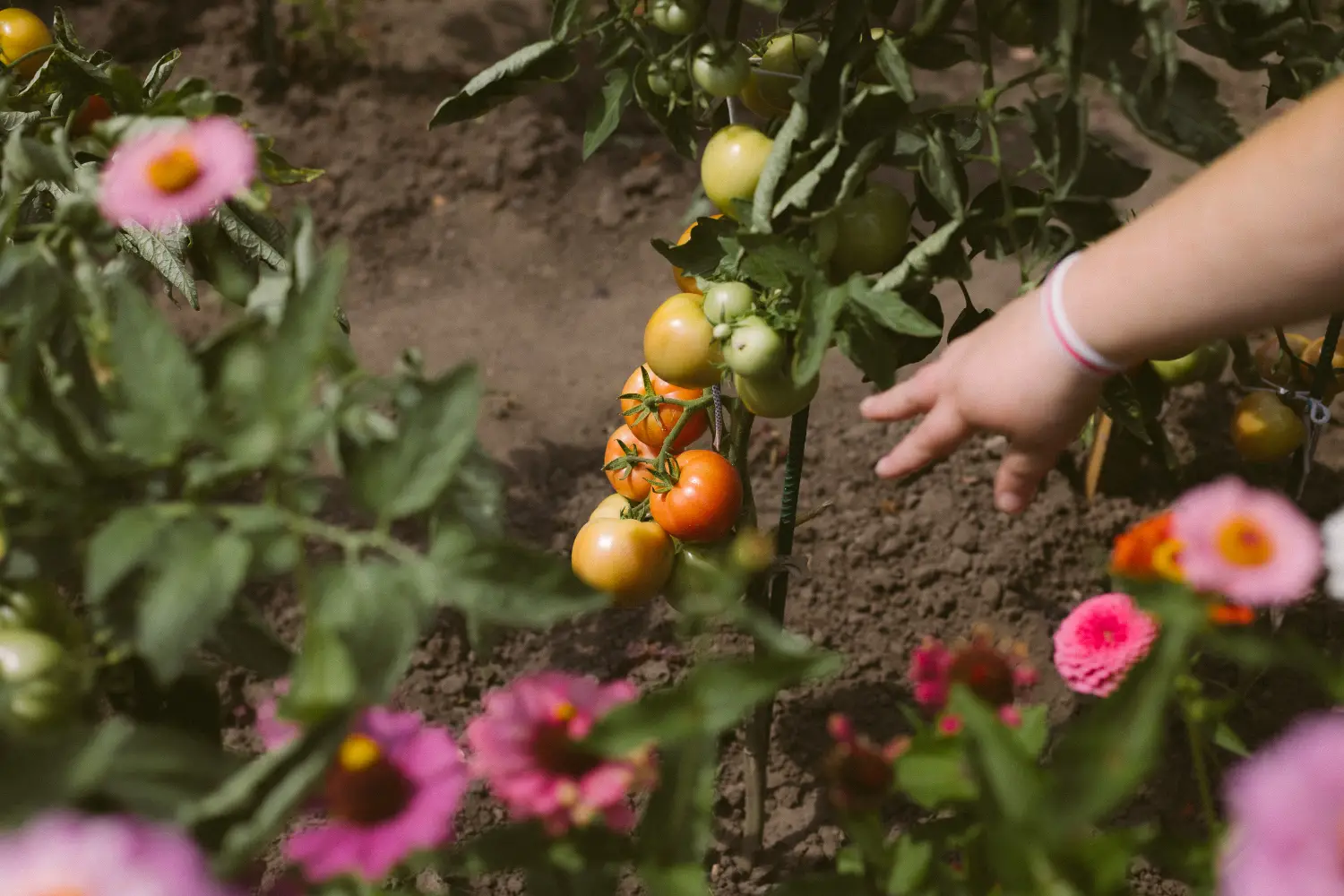
Natalia helps the homeowners take care of the tomatoes and flowers. She had never done anything like this before. Photo: Politzek.me
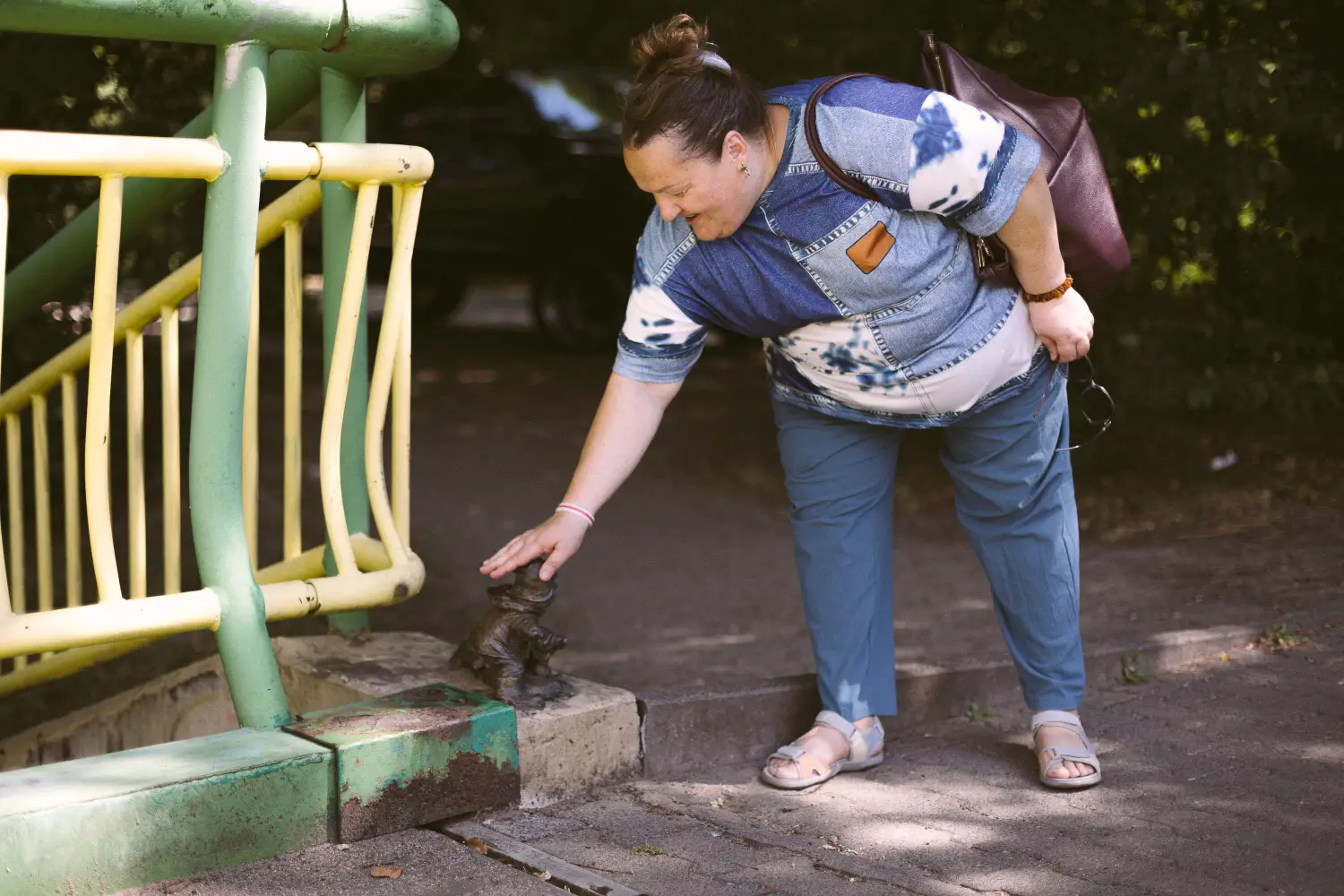
– I have my own gazebo, I go for long walks, watch YouTube, and worry deeply about Ukraine. It’s been eight whole months since I got here!
«Even now, I still keep track of my friends who’ve been released because their terms ended, and who has a release date coming up soon.»
Natalia thinks not only about political prisoners. In Belarusian prisons, she says, there are so many women serving time on fabricated charges who also hold onto the belief that one day they will be set free and get justice.
– What happened to us will never be forgotten. And I don’t want it to be forgotten.
The flowers around the house remind Natalia of the flowers in the penal colony. It’s not a pleasant memory, but she is coping with it. Photo: Politzek.me
Cooking Polish soup and missing Belarusian carp
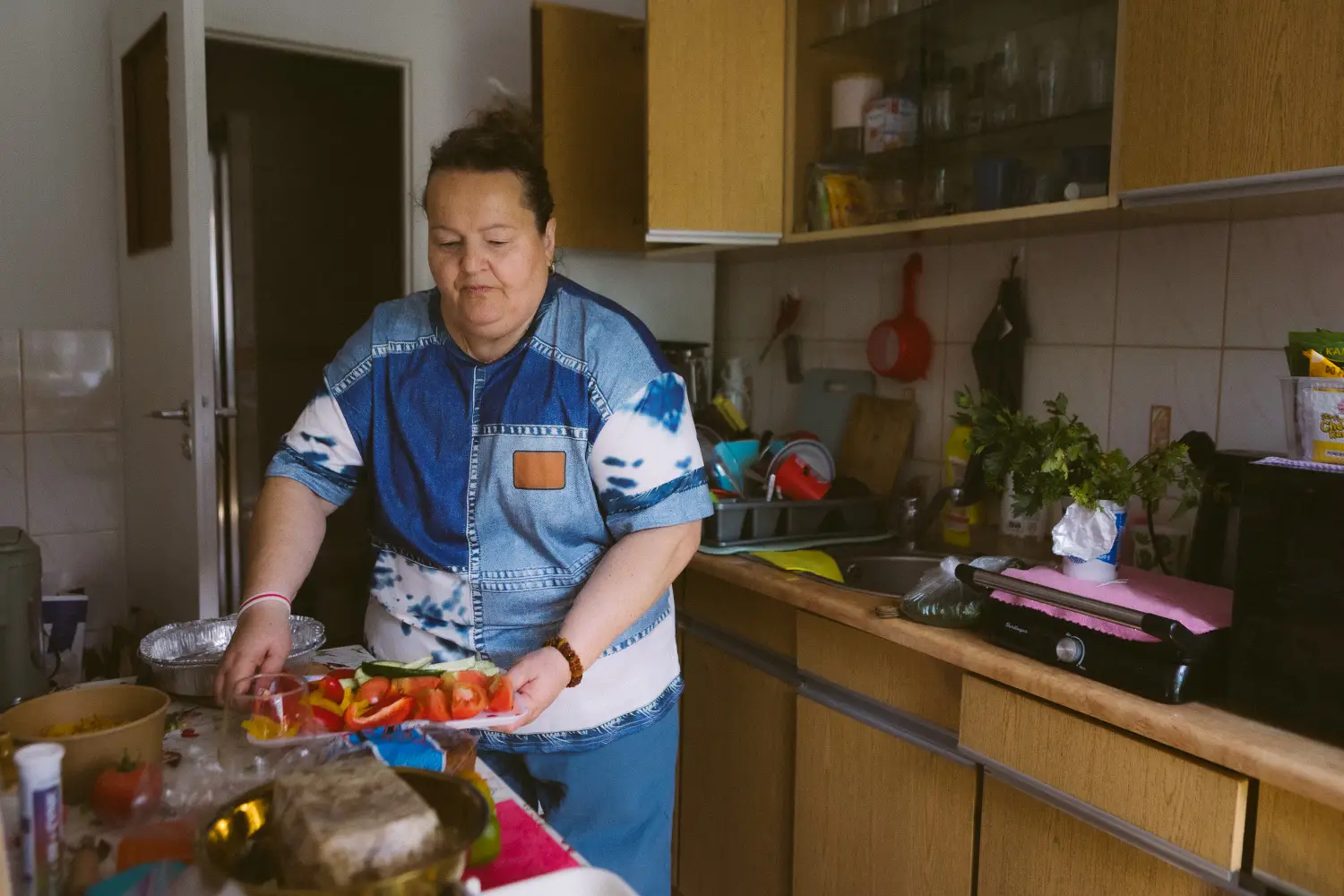
– Life goes on, and I look for simple everyday pleasures. I love making chopped chicken cutlets, stuffed cabbage rolls, and oven-baked dishes. But I miss Belarusian freshwater fish—especially fried or baked carp.
Natalia has already learned how to make a traditional Polish soup from Pani Zosia.
– It’s not just a basic broth or rosół—it’s genuinely delicious. Pani Zosia used to invite me over for family holidays and show me how she cooks. I’ve noticed differences between Belarusian and Polish cuisine. For instance, Belarusians often prefer pickled cucumbers, while Polish families opt for salted, fermented ones. These small details are becoming part of my new life.
Natalia loves cooking, but especially when she can cook for someone else. Photo: Politzek.me
The second political prisoner in the family history
Natalia is not the first political prisoner in her family—her grandmother Gita was the first. About a century ago, Gita spent two years in the Suzdal prison for political detainees before being exiled to Kazakhstan. It was there that she met her future husband, Natalia’s grandfather, who was also living in exile.
For a long time, the family never spoke about it. Natalia’s mother and other relatives were born in Kazakhstan, but for decades everyone assumed it was simply a typical chapter of Soviet history—until Natalia’s son, a historian by training, began digging into the family past. He was the one who sent inquiries to archives, museums, and historical research initiatives.
That was how they discovered that behind their family’s Kazakh roots lay a history of repression, imprisonment, and exile.
– They always say that in every family, there’s bound to be someone deeply curious to know who they are, where they come from, and where their roots lie. It turned out that in our family, that person was my son. And a century later, the history of repression in our family repeated itself.
Natalia Malets. Photo: Politzek.me
Natalia shares that she had a very happy childhood, surrounded by a large, warm family—her grandparents and her parents.
«As children, we were loved deeply. We were never hit, never humiliated. That’s why I feel so blessed to have been born into this family.»
– After the war, my grandfather helped rebuild agriculture in Belarus, in Turov, where I was born. He refused to join the Communist Party, which cost him the title of Hero of Socialist Labor, despite accomplishments that clearly earned it. But he was still awarded the Order of Lenin. I was truly lucky with my family.
«I have no regrets»
Natalia acknowledges that there are things she might have done differently. But she certainly doesn’t regret her actions. If anything, she says, she wishes she could have helped even more people.
«No, I don’t regret anything. You can’t rewrite the past. What’s done is done. Maybe it serves as a lesson for all of us.»
We permit full or partial republication of our texts and the use of our visuals. An active, direct hyperlink to the original page is mandatory and must be placed at the beginning of the republished text or social media post. Proper credit to the authors of all photo and video materials is strictly required.